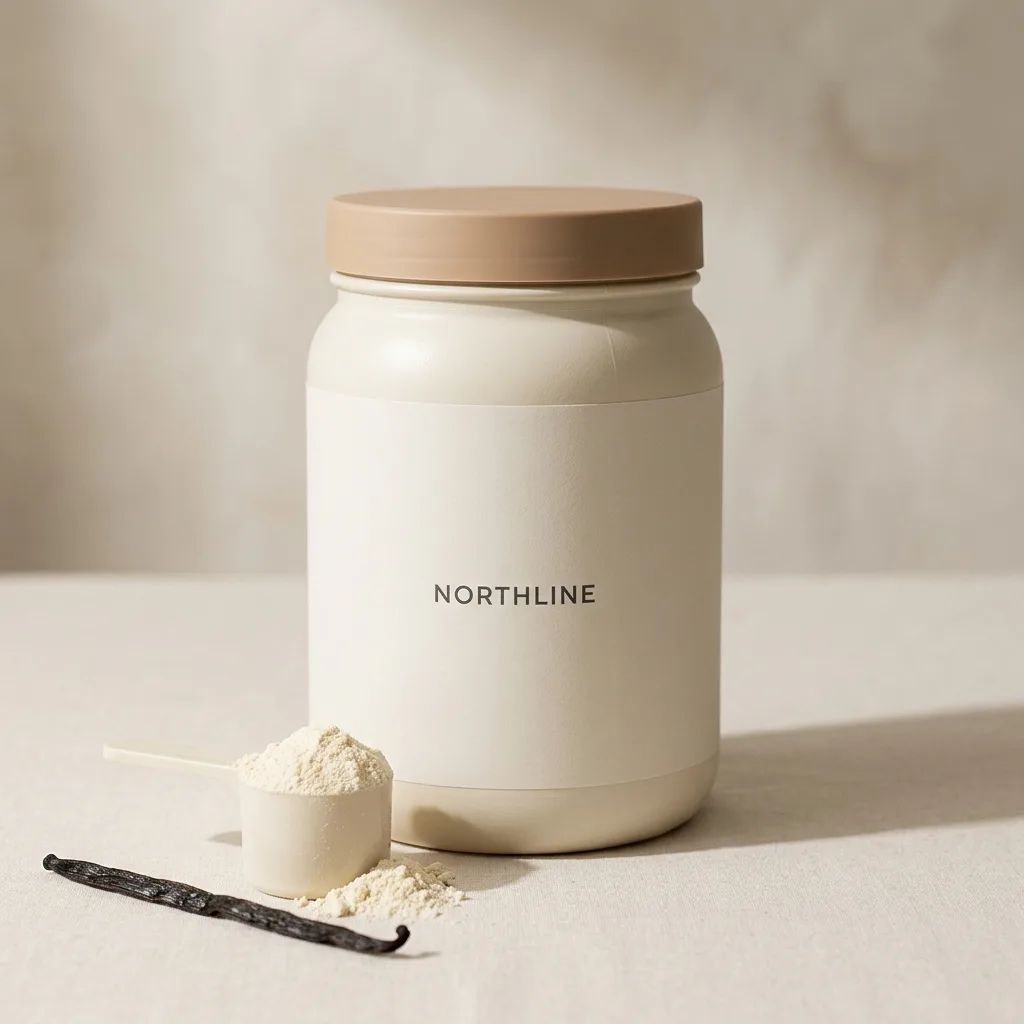
Dawnjar Sample
Whey Isolate — Vanilla Bean (2 lb)
25g protein110 cal
22.7g protein / 100 cal
per serving · 1 scoop (30g)
$59.99$2.00 / serving
Preview collection · Sample products · Prices in CAD
Dawnjar · Protein powders
Sugar-free wording, a sugars entry and a sweetener ingredient answer different questions. This guide separates them using Canadian label rules, then explains how to compare portions and CAD price per serving. It does not judge a powder for a medical condition or assign a sugar-free claim to any product. Dawnjar is a preview: the existing sample records have illustrative figures and prices in CAD, and ordering opens at launch.
Health Canada’s permitted nutrient claim table sets conditions for “sugar-free” and related wording such as “no sugar” and “0 g sugar”. The food must contain less than 0.5 g of sugars per reference amount and serving and meet “low in energy” conditions. A front-panel phrase is therefore not just a casual description of taste. Read the conditions alongside the declared table rather than translating the phrase into a promise about a diet.
The reference amount and the labelled serving are both part of that rule. Do not assess the claim by choosing a smaller scoop or looking only at a prepared drink that has been diluted. This article does not verify compliance for a real package. It explains which information to read and why an illustrative sample number cannot establish a regulated claim.
“sugar free protein powder” has about 260 searches a month in Canada, per Semrush data pulled October 2026. “protein powder sugar free” has about 40 searches a month in Canada, per Semrush data pulled October 2026. The phrases describe search interest, not evidence that a particular powder meets the permitted claim conditions.
“Low in sugar” has its own conditions: 5 g or less of sugars per reference amount and serving, and per 50 g if the reference amount is 30 g or less. It is not interchangeable with the sugar-free threshold. Copy the exact wording when comparing packages, then read the table at the stated portion. Do not shorten different claims into the same label in your notes.
For “no added sugar” wording, read the ingredient list and the sugars entry rather than assuming it means no sugars. This guide does not set out the regulatory conditions for that phrase. It also does not infer a claim from an ingredient that appears absent. Keep the stated claim, declared sugars and named sweeteners as separate observations so a comparison does not silently change meaning.
Names you may encounter include sucralose, stevia and monk fruit, as well as sugar alcohols. Inspect what the particular package actually lists. These names describe ingredients, not a reason to classify a powder as sugar-free or to recommend it for a health concern. Amounts vary, and the list may not provide an amount for each sweetener. Do not invent quantities from ingredient order or flavour intensity.
A powder can taste sweet without sweetness being a direct reading of the sugars entry. Conversely, an unflavoured description is not a sweetener declaration. Compare the full list with the table, and avoid predicting texture or sweetness from one ingredient alone. If you are changing formulas for a recipe, begin with the new package directions; a different sweetener system does not establish an identical result in oats or a shake.
Unflavoured wording describes a flavour direction, not a regulated sugars claim. A plain-style powder can have its own ingredient taste, and a vanilla formula can include several flavour and texture ingredients. Neither name tells you the sugars amount or whether sweeteners are present. Read each flavour’s label separately instead of transferring a table from another version of the same source.
Whey isolate terminology describes processing and source, not sugar-free status. Keto search wording also does not replace nutrient claim conditions. Compare the dry powder first and keep added liquids or recipe ingredients outside that calculation. The related guides address these different label questions; the low-sugar preview view is a comparison of illustrative records, not a verification of regulated claims.
Put the exact package and flavour beside your notes. Separate what the front panel claims from what the table measures and what the ingredients name. This makes differences easier to spot without turning a taste preference or a sample figure into a compliance decision.
Exact claim — Write down sugar-free, low in sugar or no added sugar exactly as displayed; do not treat them as synonyms.
Serving basis — Health Canada says serving size "isn't a recommendation of how much to eat". Record the powder grams beside the sugars amount.
Percent daily value — % DV: 5% DV or less is a little, 15% DV or more is a lot. Use the reading aid for entries with %DV, not to verify a sugar-free claim.
Sweetener ingredients — Read sucralose, stevia, monk fruit or any sugar alcohol names where declared, without estimating undeclared amounts.
CAD portion cost — Divide the package price by declared servings. Use the same package for both numbers and leave recipe additions separate.
The shelf shows existing whey isolate and plant-blend sample records with illustrative figures and prices in CAD. None is described as sugar-free or as meeting a nutrient claim’s conditions. These examples show where serving and cost comparisons appear, not what an actual package may legally claim. Ordering opens at launch; the guide does not introduce new inventory.
Dawnjar Sample
25g protein110 cal
22.7g protein / 100 cal
per serving · 1 scoop (30g)
$59.99$2.00 / serving
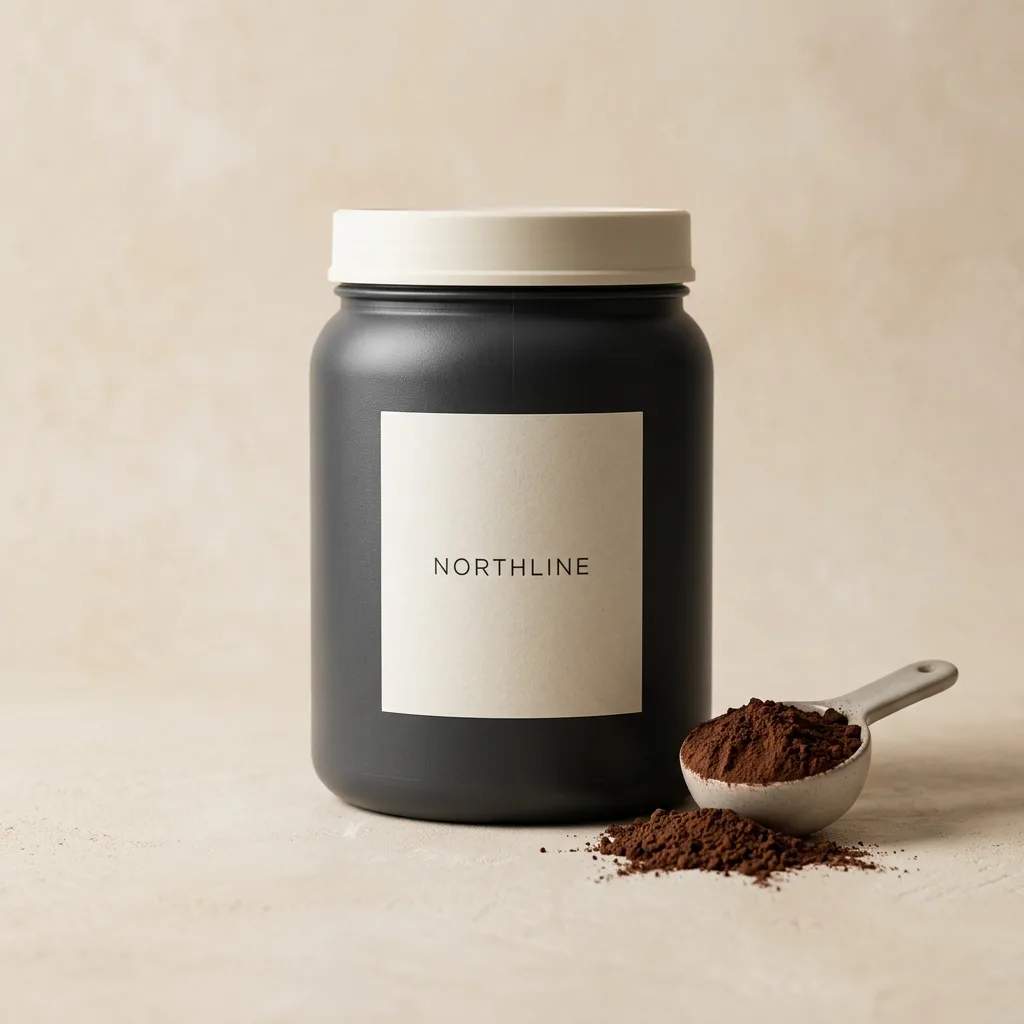
Dawnjar Sample
25g protein115 cal
21.7g protein / 100 cal
per serving · 1 scoop (30g)
$59.99$2.00 / serving
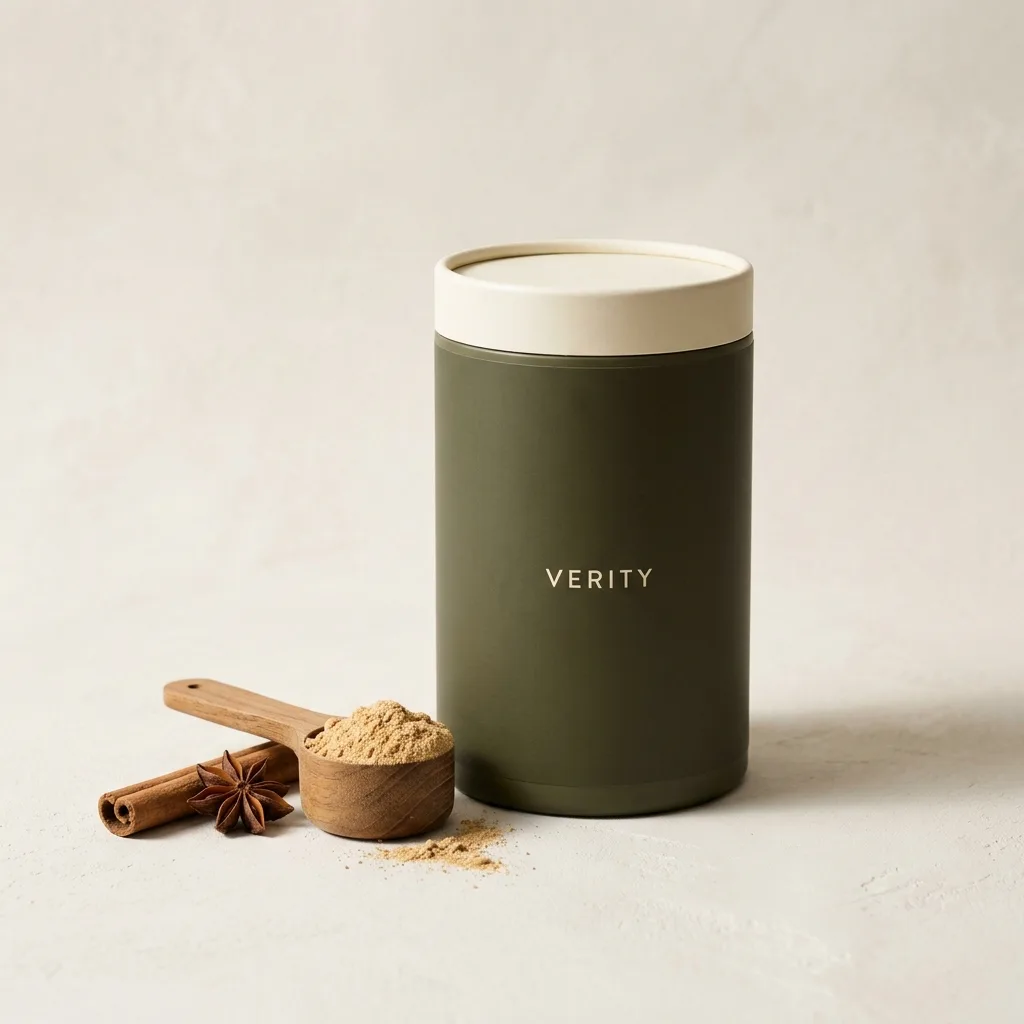
Dawnjar Sample
24g protein130 cal
18.5g protein / 100 cal
per serving · 1 scoop (34g)
$54.99$2.29 / serving
Preview collection · sample records with illustrative figures · prices in CAD. Ordering opens at launch.
Obtain the current ingredient list and Nutrition Facts table for the exact flavour and package size. A cropped image that shows only protein is incomplete for this comparison. Check the serving count before calculating CAD cost, and keep the original label available when a listing uses shortened wording. If the claim remains unclear, ask for clarification rather than reconstructing it from a rounded table entry.
Medical questions are outside Dawnjar’s role. For questions about diabetes or a personal eating plan, ask your doctor or dietitian and read the label. A sugar-related claim does not give this guide a basis to recommend a powder for a condition. Dawnjar explains the reading process with preview samples and does not assess individual suitability or take orders before launch.
Yes, some labels carry a sugar-free claim; Dawnjar does not verify any individual product. The claim requires less than 0.5 g of sugars per reference amount and serving, plus “low in energy” conditions. Read the actual package wording and table.
Not always; check the sugars entry and the package’s actual claim. A source or flavour name is not a sugars measurement. No Dawnjar sample is described as sugar-free.
It is a regulated nutrient claim with both sugars and energy-related conditions. It requires less than 0.5 g of sugars per reference amount and serving and meeting “low in energy” conditions. Do not assess it using sugars alone.
No; sugar-free does not mean sweetener-free. Read the ingredient list for named sweeteners. The sugars entry does not identify every ingredient that affects sweetness.
Dawnjar cannot give medical advice. Ask your doctor or dietitian and read the label. This guide does not recommend products for diabetes or decide individual suitability.
Not yet; Dawnjar is a preview and ordering opens at launch. Sample records have illustrative figures and CAD prices. No sugar-free claim is made about them.
Dawnjar preview pages use sample product records and illustrative nutrition figures. Ordering opens when real inventory and fulfillment are live. Nutrition information is general and informational only, not medical advice.