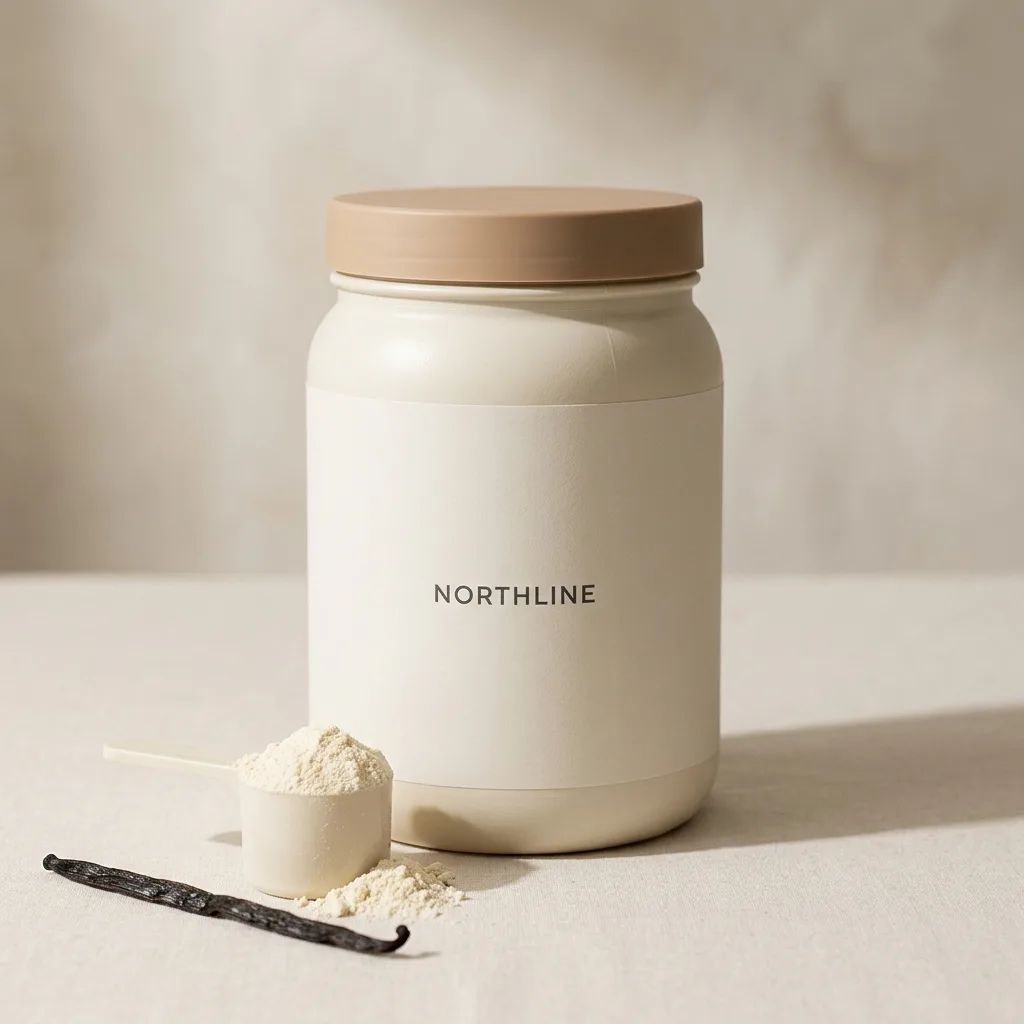
Dawnjar Sample
Whey Isolate — Vanilla Bean (2 lb)
25g protein110 cal
22.7g protein / 100 cal
per serving · 1 scoop (30g)
$59.99$2.00 / serving
Preview collection · Sample products · Prices in CAD
Dawnjar · Protein powders
Shoppers following a low-carbohydrate eating pattern may search for keto protein powder, but a search phrase is not a product assessment. This guide explains how to compare the label: serving mass, carbohydrates, fibre, sugars, sweeteners and added fats. It does not recommend a diet or decide whether a powder fits one. Dawnjar is a preview using sample records with illustrative figures and prices in CAD; ordering opens at launch. Discuss diet decisions with a dietitian or doctor.
The phrase commonly expresses interest in a low-carbohydrate label profile, not a particular protein source. Fewer sugars, a plain flavour and no added fats are separate questions. Compare the actual label entries rather than assuming similar front-panel language means equivalent formulas.
“Keto” is not a defined nutrient content claim in Canada’s permitted claim table. That does not mean labels are unregulated. Compare the declared table rather than treating the word as a standardized carbohydrate threshold or dietary assurance. This guide offers no diet advice; discuss diet decisions with a dietitian or doctor.
“keto protein powder” has about 260 searches a month in Canada, per Semrush data pulled October 2026. “keto diet protein powder” has about 210 searches a month in Canada, per Semrush data pulled October 2026. “keto friendly protein powder” has about 70 searches a month in Canada, per Semrush data pulled October 2026. These phrases indicate search interest, not a regulatory standard or evidence about any powder.
Read the carbohydrate entry and the separately listed fibre and sugars entries at the declared portion. Do not read a sugars number as the entire carbohydrate amount. Compare powders at the same serving mass when possible: a smaller scoop can make a package look different without establishing a difference at equal powder weight. Keep the original table available so any comparison remains traceable.
Health Canada explains that serving size "isn't a recommendation of how much to eat". The table lists calories plus 12 nutrients per serving. Its reading aid is: % DV: 5% DV or less is a little, 15% DV or more is a lot. Use that aid for entries displaying %DV, not as a definition of a low-carbohydrate eating pattern.
Under the permitted claim conditions, “sugar-free” requires less than 0.5 g of sugars per reference amount and serving, as well as meeting “low in energy” conditions. That is not a statement that total carbohydrate is absent. Read the full table even when a prominent sugars claim appears on the front, and do not infer that a sample record meets those conditions.
Whey isolate often lists fewer carbohydrates than whey concentrate, but processing terminology is not a substitute for a finished formula. Flavour ingredients and the serving mass can change the comparison. Inspect the particular Nutrition Facts tables before making that observation about two packages. An isolate example cannot establish the contents of a concentrate that is not shown.
Plant powders may use a single source or a blend, with different proportions of protein and other ingredients. Source names alone do not establish carbohydrate grams. Unflavoured wording also does not mean the ingredient list contains only protein or that the powder has no taste. Compare the complete declarations, including texture ingredients, and keep milk or plant drink additions separate from dry-powder figures.
Read sweetener names rather than guessing from a flavour. Sweetness and the sugars entry answer different questions. Similar flavour names do not establish identical formulas. Check ingredients and the table together; artwork cannot explain every addition.
MCT refers to medium-chain triglycerides, an added-fat ingredient that may appear in some formulas. Oils or other fats can also be listed. Their presence is a composition detail, not a reason for this guide to recommend a product or make a health claim. Read any component ingredients supplied for blended additions. Compare the powder on its own before discussing a recipe that adds butter, cream or other ingredients.
Record the exact flavour and serving mass before comparing labels. Keep ingredient and allergen questions separate from protein and price calculations. Obtain the current package information when a listing leaves details unanswered.
Portion basis — Record serving grams and the declared preparation, keeping dry powder apart from added liquid.
Carbohydrate details — Read carbohydrate, fibre and sugars individually instead of treating any one entry as a summary of the others.
Claim wording — Check the conditions behind a nutrient claim; “keto” alone does not supply a standardized nutrient limit.
Ingredients and allergens — Locate sweeteners, added oils and the protein source, then read milk or soy declarations and any may-contain wording.
Serving cost — Divide the package price in CAD by declared servings. Keep that calculation separate from personal diet decisions.
These existing preview sample records have illustrative figures and prices in CAD. Ordering opens at launch. The shelf demonstrates serving information and comparison metrics, not dietary claims or certifications. A sample name or photograph cannot answer an allergen question; the exact real package must supply that information.
Dawnjar Sample
25g protein110 cal
22.7g protein / 100 cal
per serving · 1 scoop (30g)
$59.99$2.00 / serving
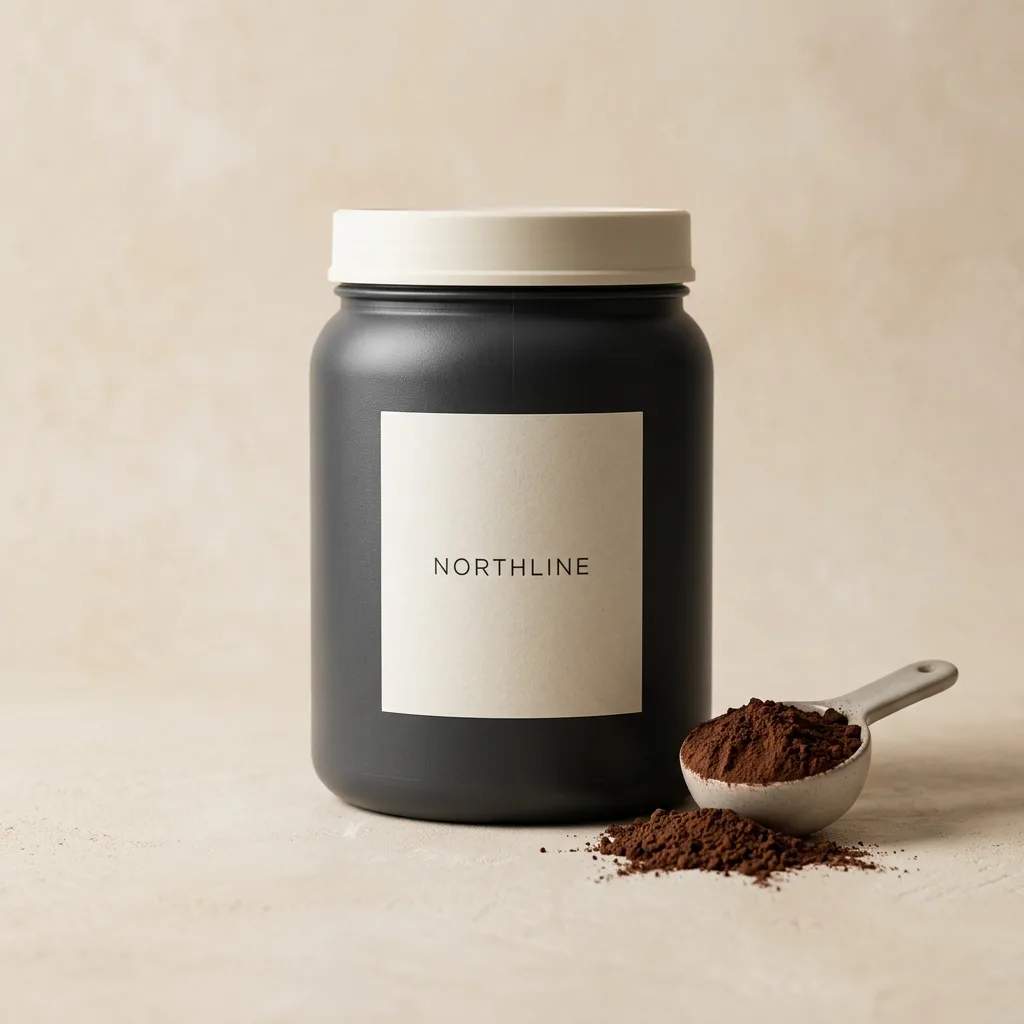
Dawnjar Sample
25g protein115 cal
21.7g protein / 100 cal
per serving · 1 scoop (30g)
$59.99$2.00 / serving
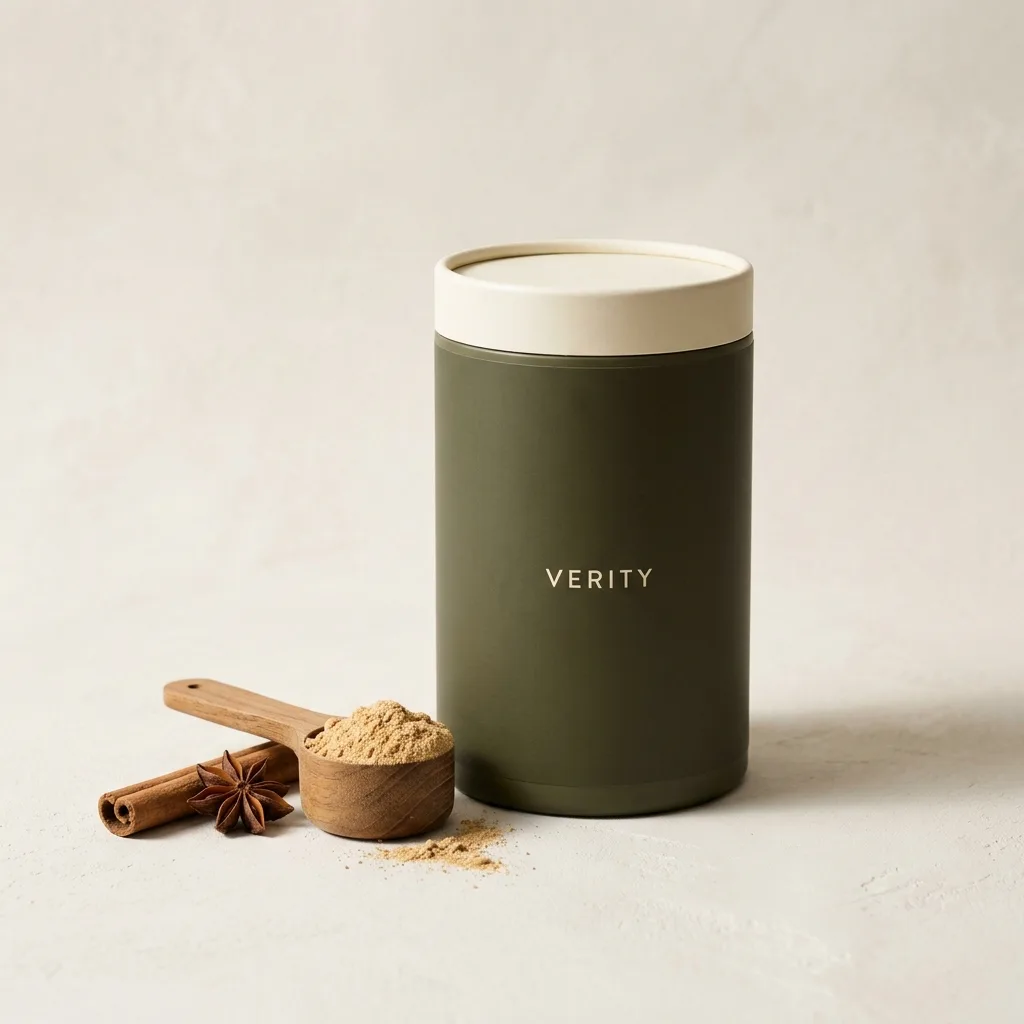
Dawnjar Sample
24g protein130 cal
18.5g protein / 100 cal
per serving · 1 scoop (34g)
$54.99$2.29 / serving
Preview collection · sample records with illustrative figures · prices in CAD. Ordering opens at launch.
Check that the information belongs to the current flavour and package size. A photo of an earlier formulation or another flavour is not enough. If the listing omits the full ingredients or Nutrition Facts table, obtain them before deciding how to compare it. Keep the stated serving count beside the CAD price rather than letting tub size stand in for portion cost.
Take diet questions to a dietitian or doctor rather than using a search term as permission or a target. This page is a label-reading resource, not an eating plan. Dawnjar does not determine which powder belongs in your diet, and its preview does not accept orders. Use the related guides for source and flavour terminology while preserving the same package-specific checks.
Many low-carbohydrate eaters use protein powder; that does not determine whether a particular powder fits your diet. Check carbohydrates at the labelled serving size and ask a dietitian about your diet. This guide does not offer dietary advice.
It depends on the label, not the search phrase. Keto has no defined nutrient threshold in Canada’s permitted claim table; that does not exempt labels from regulation. Read the serving and ingredients without treating the word as a suitability assurance.
Compare serving grams, carbohydrate, fibre, sugars and the complete ingredient list. Read sweeteners and added fats separately from the protein source. Use the allergen declarations and discuss diet decisions with a dietitian or doctor.
Often, but check the Nutrition Facts table for the specific finished powder. Serving mass and added flavour ingredients can change the comparison. Processing terminology alone does not establish the carbohydrate entry.
No; sugar-free does not mean zero carbohydrate. The claim requires less than 0.5 g sugars per reference amount and serving and meeting “low in energy” conditions. Read total carbohydrate separately.
Not yet; Dawnjar is a preview and ordering opens at launch. The powder shelf contains sample records with illustrative figures and CAD prices. No sample is described as keto.
Dawnjar preview pages use sample product records and illustrative nutrition figures. Ordering opens when real inventory and fulfillment are live. Nutrition information is general and informational only, not medical advice.