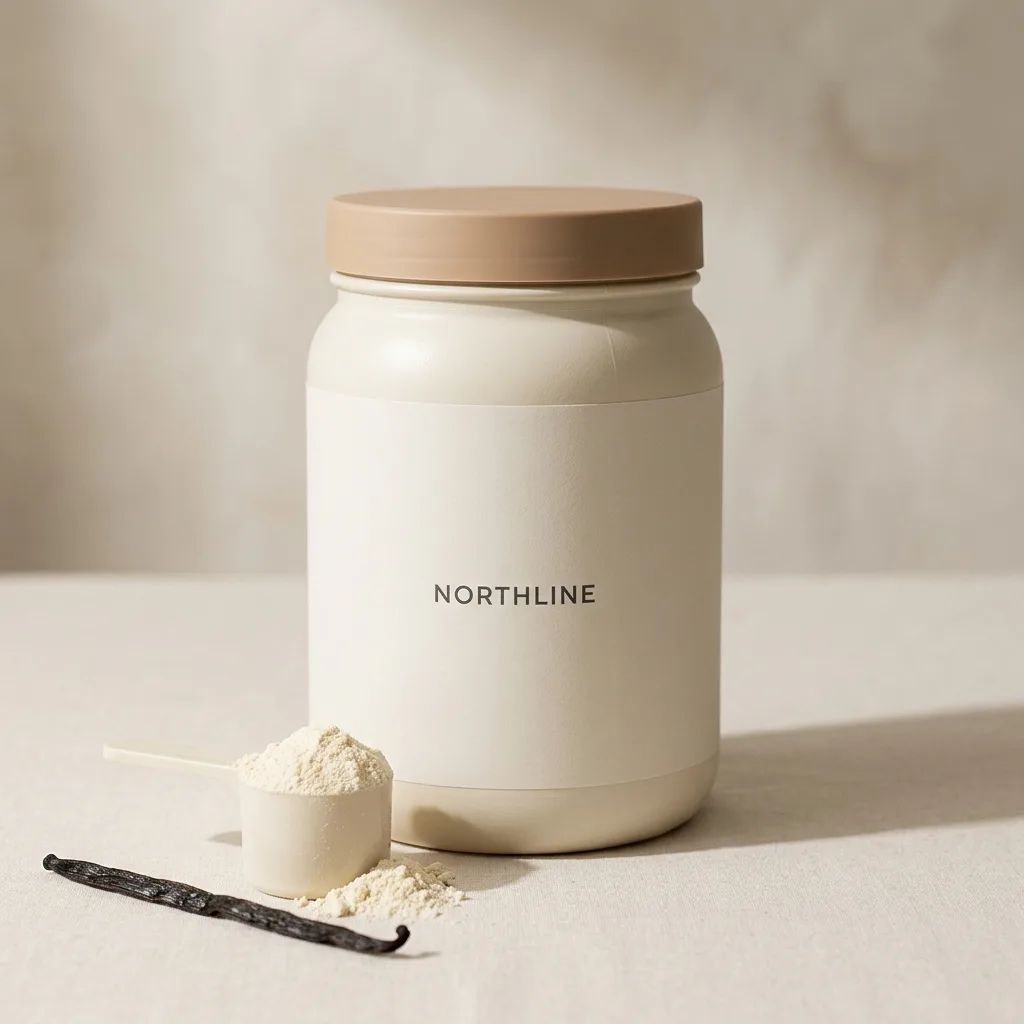
Dawnjar Sample
Whey Isolate — Vanilla Bean (2 lb)
25g protein110 cal
22.7g protein / 100 cal
per serving · 1 scoop (30g)
$59.99$2.00 / serving
Preview collection · Sample products · Prices in CAD
Dawnjar · Practical buying guides
Lactose-free protein powder and shakes are label-reading questions before they are format comparisons. An isolate name, a plant ingredient or a creamy bottle does not replace the product's own lactose statement. This guide separates that wording from protein source, milk ingredients and serving-cost calculations, without assessing suitability. Anyone with dietary needs should follow their own advice. Dawnjar's preview shows existing whey isolate, plant blend and ready-to-drink sample records with illustrative figures and CAD prices. None is designated lactose-free by this article. The shelf demonstrates formats to compare, not a verified lactose-free selection; ordering opens at launch.
Look for the product's own lactose statement and read it in the context of the full label. Lactose-free and low-lactose wording should not be collapsed into a single category, and a claim on another flavour does not automatically apply to the package you are comparing. A source description such as whey or plant tells you something different. Keep the exact wording in your notes, including any qualifications the manufacturer provides, rather than converting it into a broader assurance that the label does not make.
This page does not evaluate suitability or establish a numerical definition for a particular package claim. People with dietary needs should follow their own advice, and an absent statement should remain absent in your comparison. Do not try to infer lactose from the sugars entry alone: the table and ingredient list have different roles from a specific lactose statement. Reading them together is useful, but none authorizes you to invent a missing declaration. The relevant evidence is the wording on the actual product, not its shelf category.
Whey concentrate and whey isolate are different ingredient forms. Isolate is filtered to remove more lactose than concentrate, but amounts vary between products; only rely on the product's own lactose statement and read the label. The finished recipe may include other ingredients besides the named whey form. A front panel emphasizing isolate does not provide a complete accounting of that recipe. Record all listed milk ingredients and the lactose wording separately, without giving the processing name a claim it does not carry.
Hydrolysed whey describes a treatment of the protein ingredient, not a lactose-free statement. A powder can also combine whey forms, so read the full declaration rather than shortening a blend to the highlighted word on the front. Do not use ingredient order to calculate amounts of lactose or assign blend percentages. The whey comparison guide explains source and form in more detail. For this page's question, return to the exact label and its own lactose statement instead of classifying every isolate or hydrolysate as the same finished product.
Some milk-based ready-to-drink recipes use lactase-treated milk. Lactase processing addresses lactose in the milk ingredient, while the bottle remains a milk-based product. That general process description does not confirm the statement on an individual shake. Inspect the bottle for its own lactose wording and complete ingredients, and distinguish those from the protein amount in its Nutrition Facts table. A vanilla or chocolate flavour name tells you nothing conclusive about which milk preparation was used.
The bottle's serving definition matters for the remaining comparison. Check whether the table is per bottle or per specified volume, then record calories, protein and sugars for that same portion. Do not treat a ready-to-drink label as equivalent to a scoop of powder mixed with an unspecified liquid. Read the package for storage and handling directions, including what applies after opening; when in doubt, do not use it. The sample bottle on this shelf is a format example only, not evidence of lactase treatment or a lactose-free claim.
A plant powder can use pea, rice, soy, hemp or several plant protein ingredients. A recipe with no milk ingredients still needs its full ingredient and allergen wording checked. Read any may-contain statement exactly as printed rather than treating the plant source as an assurance about the finished package. Likewise, do not infer the product's lactose statement from a plant-based description. Source, recipe ingredients and precautionary wording are separate pieces of label information, and none should be replaced by a guess based on colour or flavour.
Compare the plant recipe's measured portion and preparation instructions once you have recorded its label statements. Blends can differ in flavour and texture, and added sweeteners or thickeners can alter a drink's consistency. The existing vanilla chai plant record does not establish a claim for every pea or rice powder. No separate source-only sample is created here. A format comparison can show how to read scoop mass, protein and cost while leaving a missing lactose or allergen statement unresolved.
Milk remains an allergen on a milk-based product even when the product carries lactose-free wording. Read the ingredient and allergen statements as their own declarations rather than substituting a lactose claim for them. This distinction is about the label, not an assessment of who should use a product. A front panel can highlight one characteristic while the back includes other information that still needs to be read. Preserve both statements in your comparison instead of choosing whichever is easier to fit in a short note.
Check the exact flavour, package and current wording when making that note. Ingredient lists can differ between products that share a protein source, and a preview card does not supply a complete package declaration. May-contain wording should also be recorded as written rather than interpreted as a measured ingredient quantity. Dawnjar does not assess suitability from sample records. Anyone with dietary needs should follow their own advice; this guide limits itself to locating and distinguishing the information the product actually provides.
After the label questions, compare cost using the same arithmetic for powders and bottles. Find the cost of the declared serving from package price divided by servings per package. Divide that amount by protein grams in the declared serving, then multiply by twenty-five. Work from the same product's figures throughout. The result is an equal-protein cost unit, not a lactose measurement or a recommendation about serving size. A front-panel claim does not alter how the serving arithmetic is calculated.
A powder mixed with a separate liquid has an additional recipe cost, whereas a ready-to-drink bottle is already a finished formula. Keep those preparation differences visible beside the normalized figure. Package price also shows the up-front quantity purchased, which a cost ratio cannot fully describe. If the serving count or protein amount is missing, do not supply it from a neighbouring product. The sample cards use their existing illustrative CAD inputs only, and no price premium for lactose-free wording is invented here.
A short comparison note can have separate entries for protein source, full ingredients, the product's lactose statement, allergen wording, declared portion and cost basis. That arrangement prevents one piece of information from doing another's job. For example, isolate belongs in the source-form entry, while a lactose declaration belongs in its own entry. Record missing details clearly. A comparison that acknowledges an unanswered label question is more accurate than one that fills every space with a category assumption.
Use the linked whey, plant and shake guides for the format questions they cover, then return to the particular package for statements relevant to it. No sample shown here becomes verified lactose-free simply because it appears beneath this article. Dawnjar currently uses illustrative records to demonstrate comparisons and does not take orders through this preview. Ordering opens at launch. This boundary keeps the shelf's role clear: it illustrates serving units and preparation formats without turning incomplete sample information into a suitability judgment.
Dawnjar Sample
25g protein110 cal
22.7g protein / 100 cal
per serving · 1 scoop (30g)
$59.99$2.00 / serving
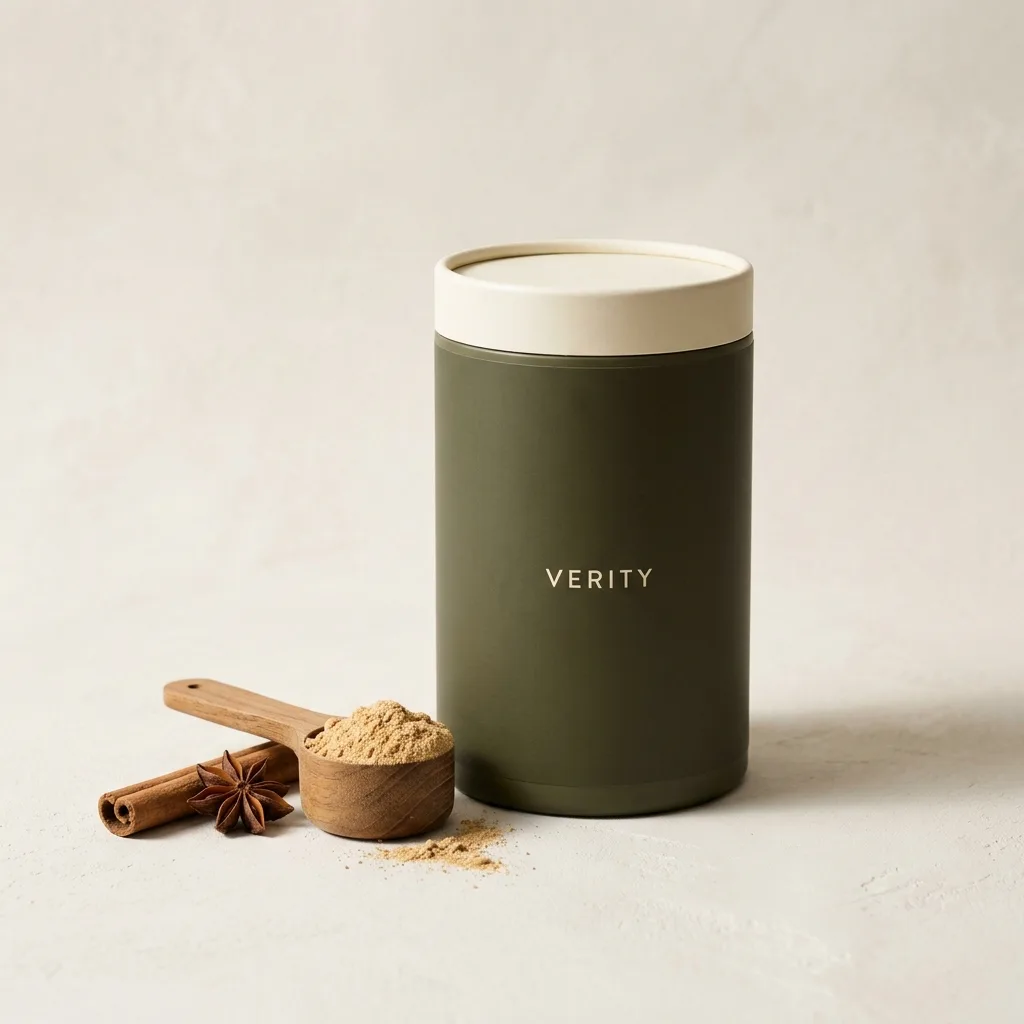
Dawnjar Sample
24g protein130 cal
18.5g protein / 100 cal
per serving · 1 scoop (34g)
$54.99$2.29 / serving
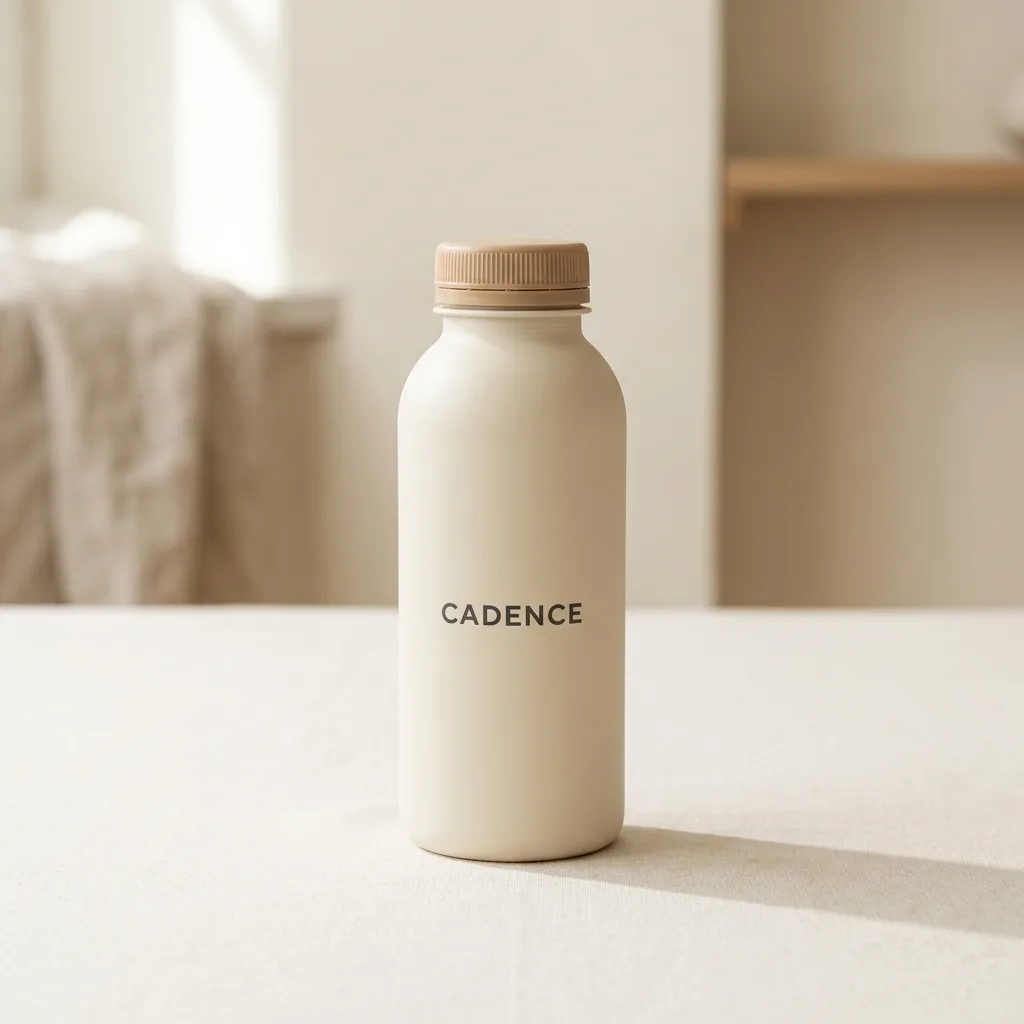
Dawnjar Sample
30g protein160 cal
18.8g protein / 100 cal
per serving · 1 bottle (330ml)
$49.99$4.17 / serving
Preview collection · sample records with illustrative figures · prices in CAD. Ordering opens at launch.
Whey is a source description, not a lactose-free declaration. Isolate is filtered to remove more lactose than concentrate, but finished amounts vary. Read the label and rely only on the product’s own lactose statement. Other milk ingredients can appear in the recipe, so the highlighted whey form is not the entire comparison.
Hydrolysed wording describes processing of the protein ingredient rather than a lactose-free claim. Look for the particular product’s lactose statement and read the rest of its label. Do not infer an amount from hydrolysate wording or from a different powder. This page does not assess suitability for dietary needs.
Yes. Lactose wording and milk allergen wording describe different aspects of a product. Read the complete ingredient and allergen statements even when the front carries a lactose-free claim. A milk-based formulation does not become a non-milk formulation through that wording, and this guide makes no suitability assessment.
Read every ingredient and the allergen statement, including any may-contain wording. A plant protein source is not a substitute for the product’s own declarations. For lactose information, read the label and its own lactose statement. Keep the recipe description separate from precautionary wording rather than assigning a claim from the category name.
It identifies a general processing approach to a milk ingredient, not the complete finished bottle’s declarations. Read the shake’s own lactose statement together with its ingredients and allergen wording. Also locate the table’s serving volume before comparing protein or cost. Do not transfer a claim from another milk-based drink.
No. They are existing examples of whey isolate, a plant blend and a ready-to-drink shake, not products certified by this page as lactose-free. Their illustrative figures and CAD prices demonstrate serving comparisons. Anyone with dietary needs should follow their own advice; ordering through the preview opens at launch.
Dawnjar preview pages use sample product records and illustrative nutrition figures. Ordering opens when real inventory and fulfillment are live. Nutrition information is general and informational only, not medical advice.