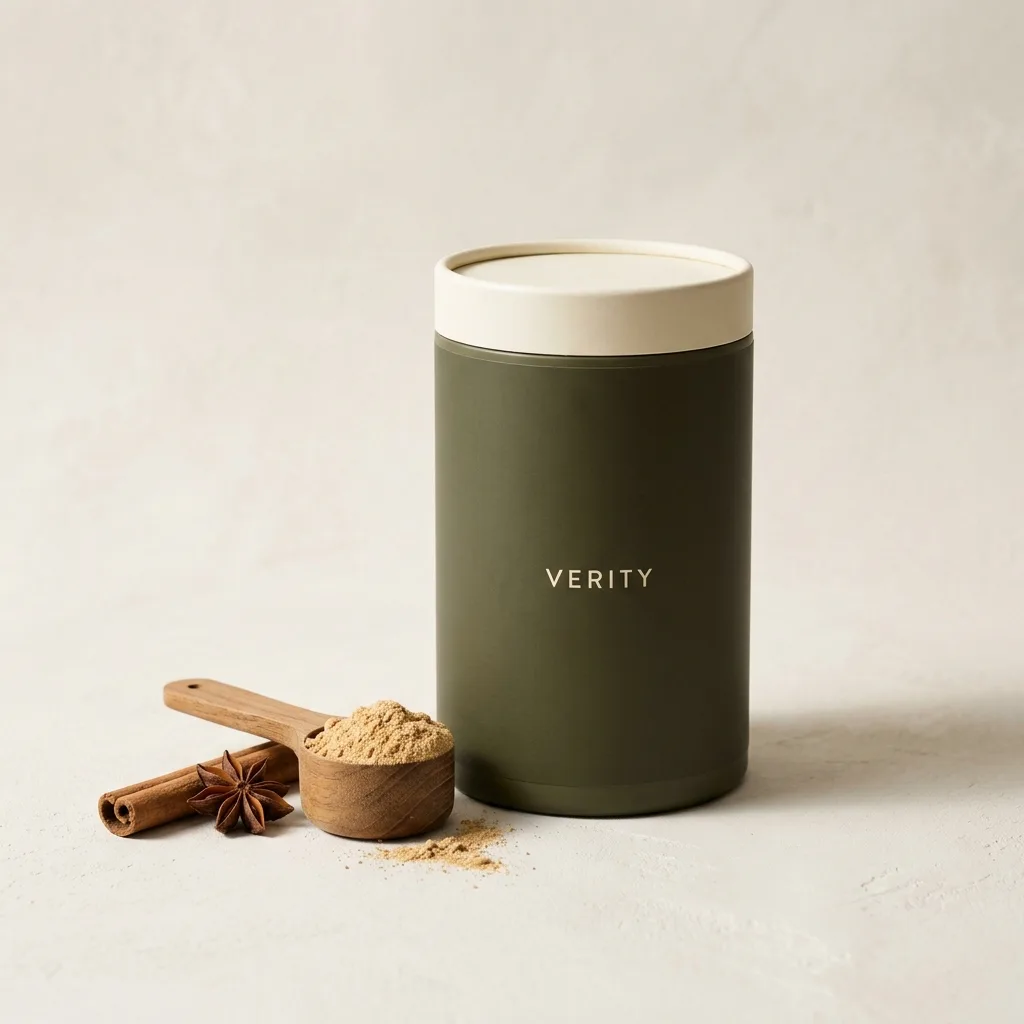
Dawnjar Sample
Plant Protein Blend — Vanilla Chai (1.8 lb)
24g protein130 cal
18.5g protein / 100 cal
per serving · 1 scoop (34g)
$54.99$2.29 / serving
Preview collection · Sample products · Prices in CAD
Dawnjar · Practical buying guides
Hemp protein powder begins with hemp seed ingredients, but the finished label determines what you are comparing. Processing, serving mass and the rest of the recipe can differ between packages, so an earthy flavour description is not a nutrition figure. This guide looks at ingredient construction, fibre wording, texture, recipe uses and cost without making a superiority claim about the source. Dawnjar does not list a hemp powder sample. The existing vanilla chai plant blend and vanilla whey isolate below are comparison formats only, with illustrative figures and CAD prices. Ordering opens at launch.
Hemp powder is generally made by processing hemp seeds, often after pressing out some oil, then milling the remaining material. The extent of processing can vary, and a package may describe a milled seed product or a more concentrated protein ingredient. Read the exact declaration rather than treating every hemp powder as the same construction. A seed image does not establish the ingredient's composition, and a powder name does not supply the quantity of protein in a serving.
A finished recipe can also contain flavourings, sweeteners or other plant protein ingredients. Keep the hemp ingredient description separate from the whole recipe and inspect the table for its actual portion. If a package lists a blend, do not use ingredient order to invent source percentages. The plant sample shown here has its own recorded source and flavour; it is not relabelled hemp for the purpose of this article. General processing context cannot fill an absent hemp product record.
Hemp ingredients can bring an earthy or seed-like flavour to a preparation, but the intensity depends on the product and recipe. An unflavoured powder and a sweetened blend may taste different even if both list hemp. Describe what you observe rather than promising a standard flavour. The mixing liquid and additional ingredients also influence the result. A fruit smoothie and a simple water mixture do not provide a controlled comparison of the powder by themselves.
Some preparations have a noticeable grain-like texture after mixing. That is different from dry powder caught in clumps and may not disappear through more agitation. Follow the product's directions, including any suggested method and liquid quantity, before deciding whether the result suits you. Use a small recipe trial when the ingredient is unfamiliar. This page has no recorded texture test for a hemp sample and does not transfer the existing plant blend's description to a hemp-only powder.
Read fibre in the Nutrition Facts table for the same portion used to report protein. Hemp powders can differ in processing and serving size, so the word hemp cannot provide a fixed fibre amount. Keep the gram mass and the declared entries together when comparing two packages. If one table uses a larger portion, a larger fibre number may partly reflect that serving choice. Do not treat the figure as a promise about a particular food outcome.
For a recipe containing oats, fruit or other ingredients, the hemp powder's printed fibre entry does not describe the complete mixture. Known quantities and labels are needed for any combined calculation. A seed-based ingredient description also does not identify every component of the finished powder. Read the full list alongside the table, leaving missing information unresolved rather than supplying a generic seed value. The comparison remains about the actual labelled portion, not a source-based prediction.
Separate source from form when making your comparison. Pea ingredients can appear as concentrate or isolate, hemp ingredients have their own processing descriptions, and whey is a milk-derived source with several forms. A plant blend may list more than one source without publishing the proportions. None of those names establishes the same scoop mass or protein amount. Use the specific recipe's table to compare protein per serving and retain its powder quantity beside the figure.
Texture and flavour remain additional comparison questions rather than evidence of a universal winner. For ingredient and allergen information, read the exact package. If amino-acid information is part of your question, use the product's own profile when supplied; profiles vary and blends exist. This guide does not assign complete-protein superiority to a source or invent a profile for an absent product. The plant-versus-whey guide provides broader label and recipe comparisons using the existing sample pair.
A smoothie can combine a hemp powder with the liquid and fruit you prefer, provided the recipe and powder directions support the method. Measure the powder instead of treating any spoonful as a standard serving. A blender can disperse ingredients differently from a shaker, especially where fruit pieces are present. Start with a small preparation and note the quantities so you can repeat a flavour and consistency you liked. No fixed nutrition total follows from the smoothie name.
Fruit, spices and the chosen liquid can change how prominent the earthy flavour seems. Those additions are recipe choices, not guarantees that every hemp powder will taste the same after blending. Read all ingredient labels and keep their declared amounts separate from the powder-only table. If you use milk, read the label and its own lactose statement for that product. No smoothie liquid or fruit sample is introduced to Dawnjar's catalogue here.
A hemp powder contributes dry material, flavour and texture to baking, so it is not automatically a one-for-one replacement for flour or another protein powder. Use a recipe written for that ingredient or make a small trial with measured changes. Moisture and finished crumb can differ when the dry ingredients change. Follow recipe and package preparation instructions rather than assuming every seed-based powder behaves like the flavoured plant blend shown below.
Oats and other stirred preparations also need their own quantities documented. A powder folded into a recipe does not turn the dry-powder serving into the complete dish's figures. Keep the portion yield and additions available if you later want a calculated total. This article does not provide a tested hemp baking recipe or a food-handling guarantee. Follow the label and, when in doubt, do not use it; preparation suggestions remain general recipe considerations.
Find the stated number of servings in the package and divide its price by that count. Divide serving cost by protein grams in the same declared serving, then multiply by twenty-five. Apply the calculation to each powder independently because scoop sizes and package quantities differ. An inexpensive-looking packet is not necessarily cheaper on this basis, and the source name alone supplies no cost information. No hemp price or savings example is invented for this guide.
Keep whole-package cost beside the equal-protein figure so the amount committed at once remains visible. A recipe containing other ingredients has additional costs that need their own known quantities. The shelf's existing plant and whey cards derive metrics from illustrative CAD records only; they do not quote hemp powder or describe an orderable comparison pair. Use actual package inputs for a real label comparison, and leave any missing serving count unanswered rather than substituting another product's count.
Dawnjar Sample
24g protein130 cal
18.5g protein / 100 cal
per serving · 1 scoop (34g)
$54.99$2.29 / serving
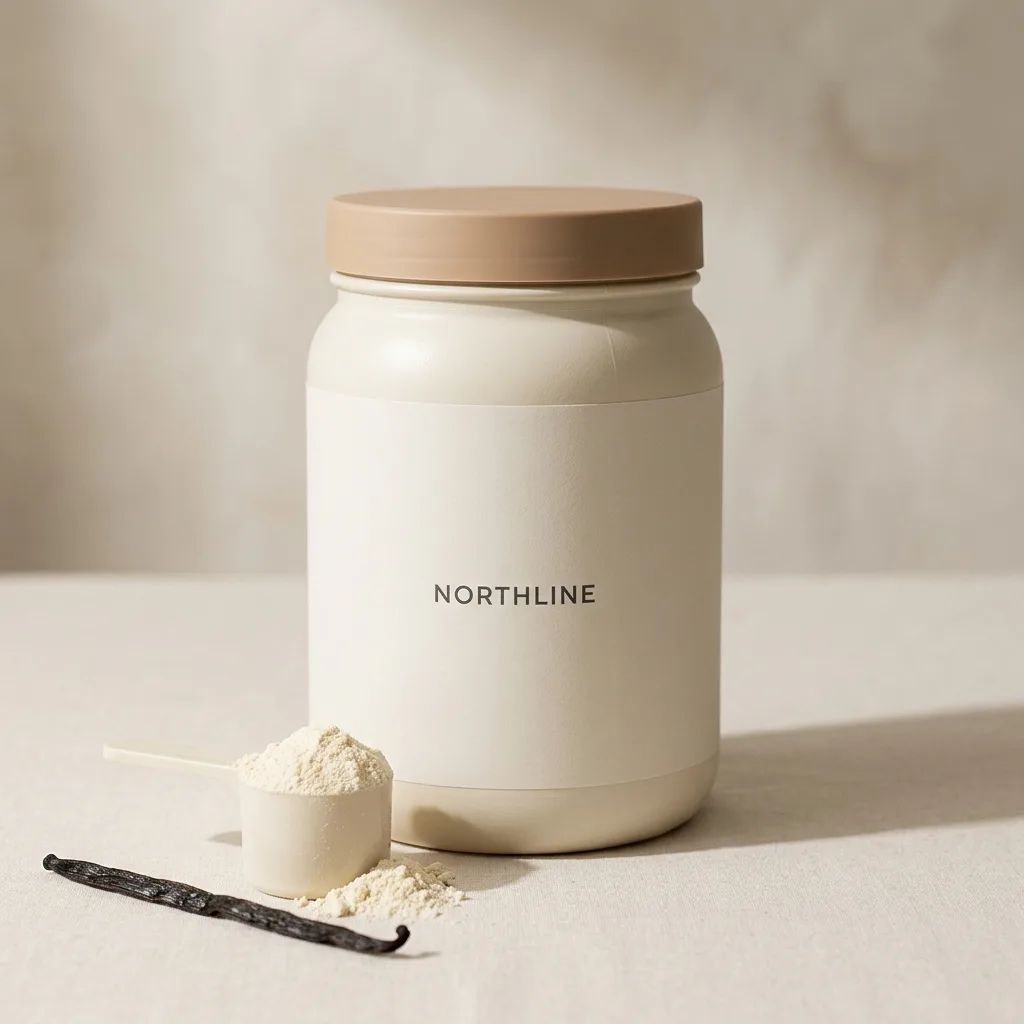
Dawnjar Sample
25g protein110 cal
22.7g protein / 100 cal
per serving · 1 scoop (30g)
$59.99$2.00 / serving
Preview collection · sample records with illustrative figures · prices in CAD. Ordering opens at launch.
Hemp seeds are processed into a powder, commonly using material left after some oil is pressed out and then milled. Processing descriptions vary, so read the ingredient wording on the particular package. That general account does not supply its protein or fibre figure; the finished Nutrition Facts table provides the declared serving information.
It can have an earthy or seed-like flavour, but the finished formula and preparation affect how noticeable that is. Flavourings, the mixing liquid and recipe ingredients can change the experience. Follow the directions and compare a measured small preparation rather than treating one taste description as a guarantee for every product.
No fixed fibre amount follows from the source name. Read the fibre entry and serving mass on the actual table, alongside protein for that same portion. Processing and recipes vary. A powder figure also does not describe a finished smoothie or baked dish unless its other ingredients and quantities are known.
This guide makes no source-based superiority claim. Amino-acid profiles vary, and powders can use blends as well as individual sources. Read a product’s own profile if it supplies one, without inventing details from the seed name. Compare declared protein, texture preferences and cost separately rather than assigning an automatic overall winner.
Not without considering the recipe. It changes the dry ingredients, flavour and texture, so use directions intended for the powder or make a small measured trial. A similar scoop size does not establish an equivalent substitution. No tested hemp baking formula or complete recipe figures are supplied by the preview samples.
No. Dawnjar has no hemp powder record on this shelf. The existing vanilla chai plant blend and vanilla whey isolate illustrate other formats and their own serving-cost calculations. They use sample figures and CAD prices, not hemp product data or current availability; ordering opens at launch.
Dawnjar preview pages use sample product records and illustrative nutrition figures. Ordering opens when real inventory and fulfillment are live. Nutrition information is general and informational only, not medical advice.