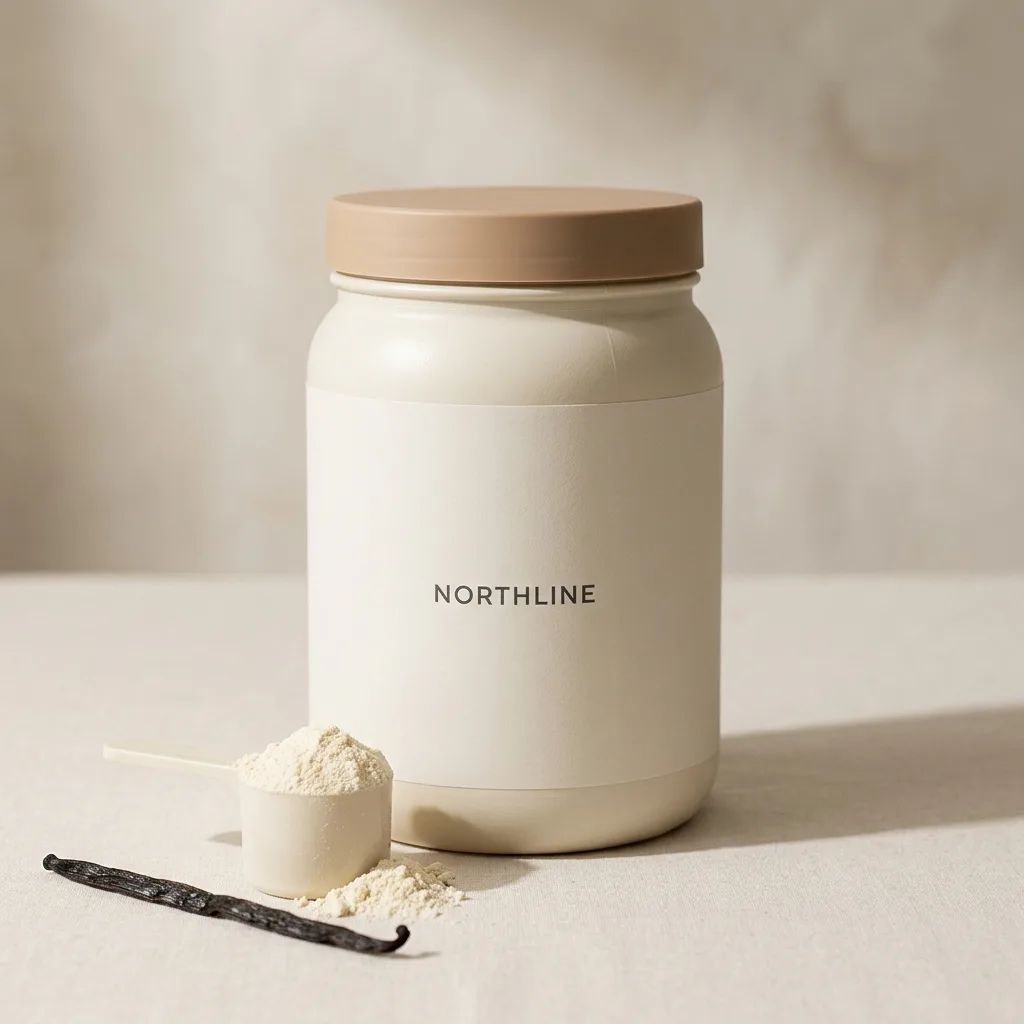
Dawnjar Sample
Whey Isolate — Vanilla Bean (2 lb)
25g protein110 cal
22.7g protein / 100 cal
per serving · 1 scoop (30g)
$59.99$2.00 / serving
Preview collection · Sample products · Prices in CAD
Dawnjar · Protein drinks
A protein chai latte combines brewed spiced tea, a chosen liquid and an optional protein ingredient. The preparation is about tea flavour and mixing texture, not a promised outcome. Hot and iced versions need different handling, especially when adding a powder made for cold mixing. This guide gives adjustable ingredient methods rather than tested quantities or recipe nutrition totals. Dawnjar remains a preview: existing sample records carry illustrative figures and prices in CAD, and ordering opens at launch. The samples below are not finished chai drinks.
Choose a packaged spiced tea or a recipe whose tea and spice ingredients are clear. Read the brewing directions for its liquid, steeping method and straining needs. A loose blend can leave spice particles behind, while a tea bag contains them differently. Brew the tea first so you can judge its strength before milk, soy beverage or powder changes the taste. A concentrate has its own dilution instructions and is not interchangeable with a brewed cup.
Ingredients: brewed and strained chai, milk or soy beverage, and vanilla protein powder with directions that permit warm preparation. Optional additions are cinnamon or another spice already compatible with the tea. Start by preparing the tea as labelled. Warm the chosen liquid separately according to its instructions, keeping the powder outside the saucepan until you have checked its warm-mixing guidance.
Next, disperse the permitted powder into a small amount of the specified liquid using the package method. Combine that mixture with the tea and remaining liquid gradually, stirring as you go. Stop adding liquid when the flavour and consistency suit your preference. Do not treat a full scoop as a fixed recipe requirement: measure the powder amount used and retain its package serving information.
If the powder supplies no warm-use directions, use the iced method instead or select a tested hot recipe for that exact ingredient. This article does not set a universal heating temperature. Do not boil a finished powder drink merely because the tea was brewed hot. Use an open cup or an appropriate stirring vessel, never a closed shaker containing hot liquid.
Ingredients: prepared chai that has been cooled using appropriate handling, chilled milk or soy beverage, vanilla powder suitable for cold mixing, and ice if desired. Brew the tea first and follow the ingredient instructions for cooling and storage. Separately mix the measured powder with the permitted cold liquid until dispersed. Stir the tea into that mixture rather than dropping dry powder onto ice.
Add ice last, where your vessel and method allow it, then taste the drink as it stands. Melting ice dilutes both tea and sweetness, so a drink can change while you sip it. Keep additional prepared tea chilled rather than on the counter for repeated top-ups. A blended version needs equipment intended for ice, and its texture differs from a stirred latte.
Follow the powder's mixing order and specified liquid amount first. Where permitted, dispersing it separately lets you find dry pockets before tea and spices obscure the texture. Extra stirring does not replace a suitable method.
Milk adds its own taste and texture, while soy beverage has its own ingredient list and serving figures. Water lets the tea remain more prominent but can produce a thinner result. None is an automatic replacement at the same quantity for every recipe. Start with the directions on both the liquid and powder, then adjust in small increments rather than changing several ingredients at once.
Tea format — Separate brewed tea, concentrate and dry powder directions.
Warm or cold — Check that every ingredient and vessel supports your chosen method.
Serving calculation — Keep powder and liquid quantities alongside their own label servings.
Declarations — Read tea, liquid, powder and spice-addition labels together.
The vanilla bean isolate and vanilla chai plant-blend records are existing dry-powder references. A chai flavour name on a sample does not establish brewed tea ingredients, a caffeine amount or permission to heat it. Neither record is a hot or iced latte. Their illustrative figures and CAD prices belong to the dry sample records only, not to the recipes on this page.
Dawnjar Sample
25g protein110 cal
22.7g protein / 100 cal
per serving · 1 scoop (30g)
$59.99$2.00 / serving
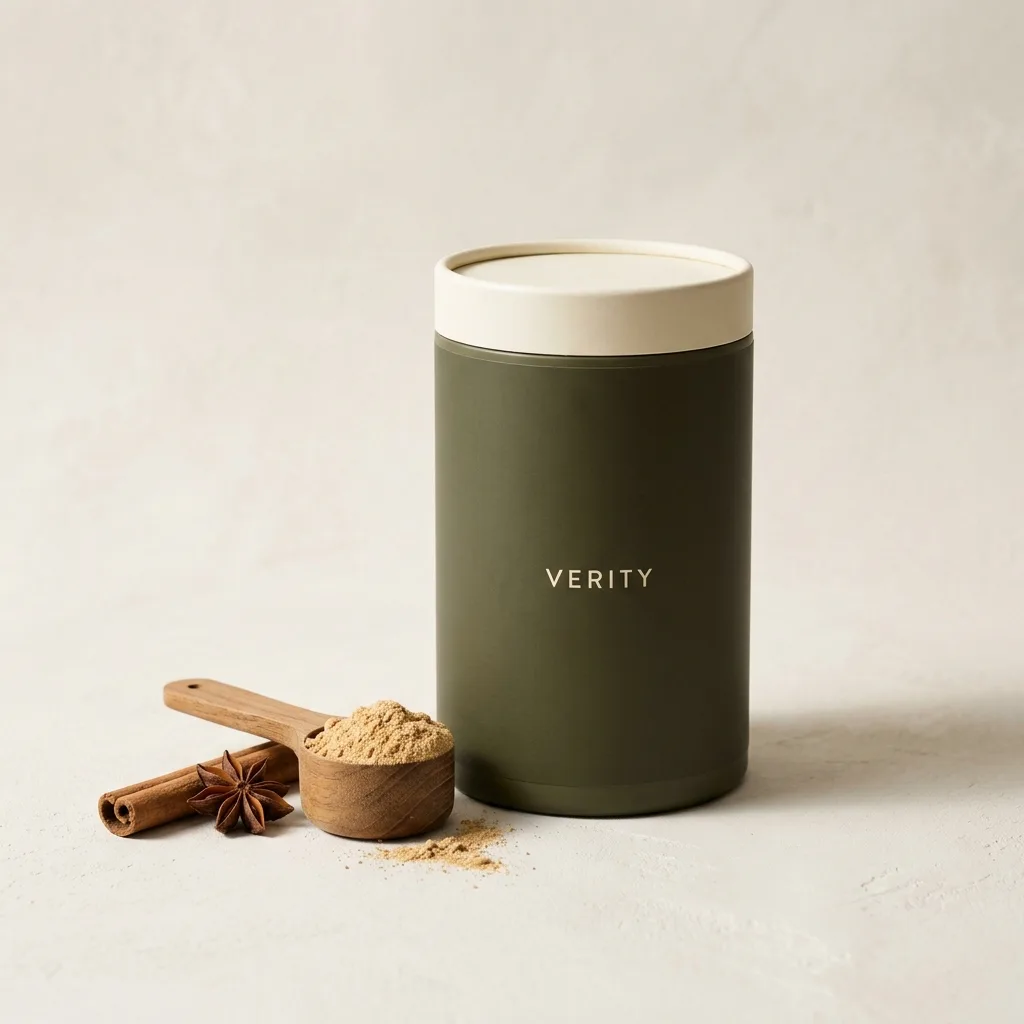
Dawnjar Sample
24g protein130 cal
18.5g protein / 100 cal
per serving · 1 scoop (34g)
$54.99$2.29 / serving
Preview collection · sample records with illustrative figures · prices in CAD. Ordering opens at launch.
Choose hot or iced preparation before selecting a powder. Check its mixing directions, the tea format and all ingredient declarations. Keep the powder amount and liquid additions recorded if calculating a glass; sample figures are not finished-recipe nutrition.
Yes, when the powder directions support the preparation you choose. Use cold mixing or an explicitly permitted warm method rather than assuming every powder tolerates heating.
Follow warm-use directions and disperse the powder separately where permitted. Combine gradually with the tea; never shake hot liquid in a sealed shaker.
Vanilla is a straightforward starting point, but preference depends on the tea and powder. Check sweetness and spices already present before adding more.
Yes; combine prepared chilled chai with a separately mixed cold powder drink. Add ice last and follow ingredient handling and storage instructions.
Caffeine amounts vary; read the label. Use the wording on the specific tea or concentrate rather than a fixed assumption from its name.
Not currently; Dawnjar is a preview and ordering opens at launch. The powder samples have illustrative figures and CAD prices, not finished chai recipes.
Dawnjar preview pages use sample product records and illustrative nutrition figures. Ordering opens when real inventory and fulfillment are live. Nutrition information is general and informational only, not medical advice.