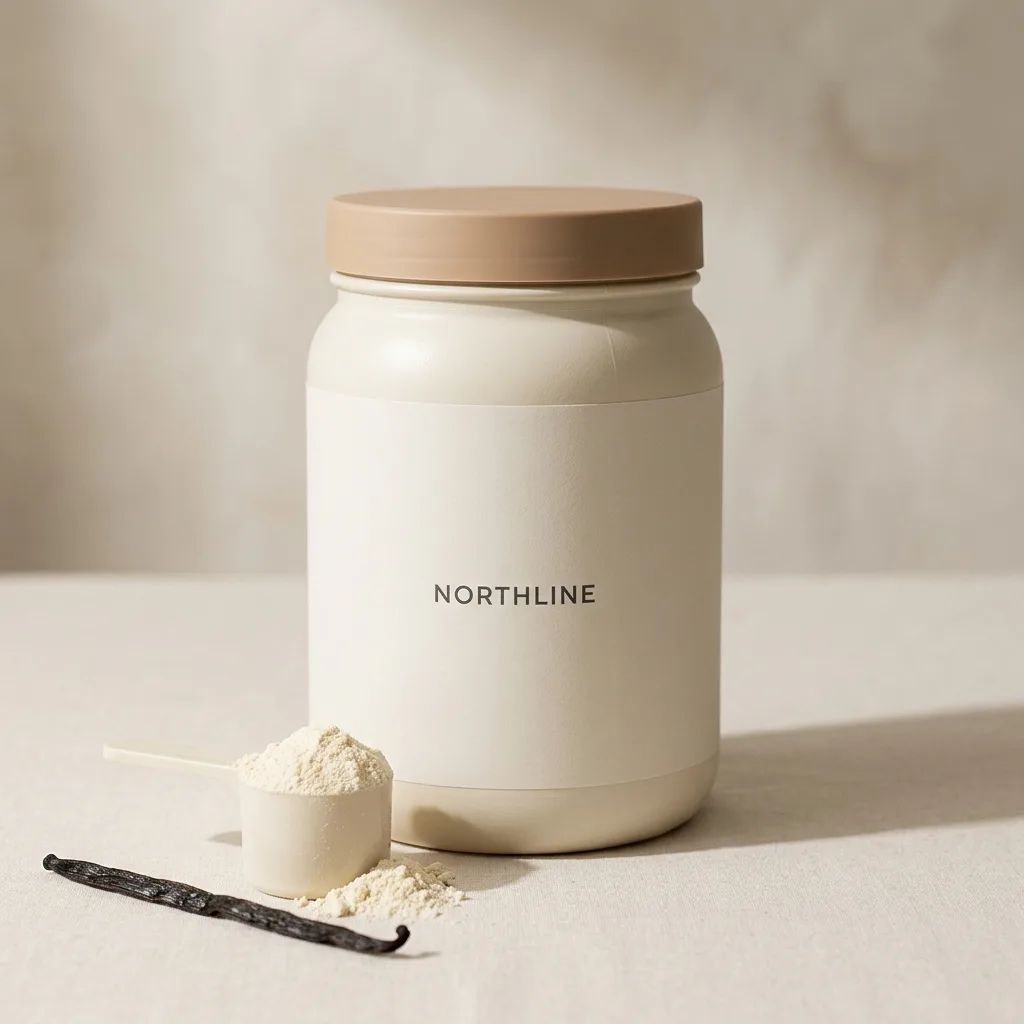
Dawnjar Sample
Whey Isolate — Vanilla Bean (2 lb)
25g protein110 cal
22.7g protein / 100 cal
per serving · 1 scoop (30g)
$59.99$2.00 / serving
Preview collection · Sample products · Prices in CAD
Dawnjar · High-protein recipes
Frozen pineapple, coconut and lime make a bright, creamy smoothie without alcohol. Banana helps it blend into a thicker drink, while Greek yogurt or vanilla protein powder offers a separate protein ingredient. Choose coconut milk by its actual format: a beverage carton and a can are not interchangeable labels or textures. The recipe below is an adjustable starting method, not a tested nutrition formula. Dawnjar shows preview sample records with illustrative figures and CAD prices; ordering opens at launch. Those powder references are not finished smoothies.
For an adjustable starting glass, gather a cup of frozen pineapple pieces, half a banana, coconut milk beverage or canned light coconut milk, and a squeeze of lime. Add a few spoonfuls of plain Greek yogurt or a measured portion of vanilla protein powder according to its directions. Begin with about half a cup of the chosen coconut liquid and keep more nearby. These are blending quantities, not a promised serving size or nutrition total.
Frozen pineapple supplies both fruit and chill, so extra ice may not be necessary. Use lime sparingly at first, especially with yogurt, so the drink does not become sharper than you wanted.
"Pina smoothie" receives about 320 searches a month in Canada, per Semrush data pulled October 2026. This page answers that recipe question with a non-alcoholic drink, not a cocktail or a bottled smoothie listing.
A weak blender may need smaller fruit pieces or a brief softening period within appropriate handling guidance. If the drink turns thin, additional frozen pineapple can restore body, but it also changes the recipe quantity.
For a smoother result, pause when the powder has dispersed before adding extra dry ingredients. More powder is not a neutral way to fix texture: it also changes flavour and the ingredient amount.
Plain Greek yogurt makes a tangier, spoonably creamy base. Vanilla protein powder brings its own flavour and may thicken differently depending on the formula. Use one as your initial option rather than automatically adding full portions of both. Read the actual yogurt or powder table, and keep its portion separate from the pineapple, banana and coconut liquid.
Milk or soy beverage can replace some coconut liquid if you want a different ingredient mix, though the coconut flavour becomes less prominent. Silken tofu is another blending option; choose a texture intended for smooth mixtures and inspect its package. None of these substitutions has a universal protein figure in this guide, and a coconut name does not identify a protein amount.
If you compare two versions, record the same fruit amounts and the actual quantity of each protein ingredient. A spoonful of yogurt and a scoop of powder are not equal-weight portions. The drink’s title cannot establish the finished nutrition without known ingredient figures and quantities.
A coconut milk beverage often comes in a carton and is intended as a pourable drink. Canned light coconut milk is generally used as a cooking ingredient and can have a different texture, ingredient list and serving basis. Read the packages rather than assuming light, beverage or milk means the same formula.
If canned coconut milk makes the smoothie heavier than you prefer, use less of it and add another chosen liquid gradually. Sweetened and unsweetened wording should send you to the ingredient list and sugars entry, not to a guessed sweetness or calorie total.
Check storage instructions after opening each carton or can. Transferring leftovers to another container does not establish a new keeping period; retain the original directions so the ingredient remains identifiable.
Mango — Replace some pineapple with frozen mango for a rounder fruit flavour. Keep lime to taste and expect the balance to differ from the pineapple-only version.
Spinach — Blend in a small handful of washed spinach if you enjoy it. The colour changes, and the addition should be recorded as another ingredient rather than a nutrition promise.
No banana — Leave banana out and use extra frozen pineapple or mango for body. Reduce the initial liquid if needed, then taste before adding any sweetener.
Thicker texture — Use less liquid at first and blend within your appliance directions.
Change one element at a time so you can tell which adjustment affected flavour or texture. Keep this preparation non-alcoholic; no alcohol is required to produce its pineapple-and-coconut character.
Milk is relevant when using Greek yogurt or whey powder; soy may appear in a chosen soy beverage, tofu or other ingredients. Health Canada says priority allergens must be identified by common name on pre-packaged food labels. Check every package, including the vanilla powder and coconut liquid, for ingredient lists, Contains statements and precautionary wording.
Coconut is not on Health Canada’s priority allergen list. That observation is not a suitability assurance: consult the list and read the actual labels, including any other ingredients in the coconut product. A fruit-led recipe name does not summarise all additions.
Do not treat swapping one ingredient as a statement about the entire mixture.
Protein ingredient — Read yogurt or powder protein against its stated serving, then record the amount actually blended.
Liquid format — Distinguish beverage cartons from canned coconut milk; compare their own serving quantities and ingredient wording.
Portion meaning — Health Canada says serving size "isn’t a recommendation of how much to eat". Your blender yield is a separate quantity.
Daily-value reading — % DV: 5% DV or less is a little, 15% DV or more is a lot. Apply this to listed daily-value entries, not perceived sweetness.
The vanilla-style powder samples are illustrative label-format references only. Their figures and CAD prices do not describe this smoothie or establish a coconut flavour sample. Homemade fruit, yogurt and drink additions remain separate; no smoothie inventory is introduced by this page.
Dawnjar Sample
25g protein110 cal
22.7g protein / 100 cal
per serving · 1 scoop (30g)
$59.99$2.00 / serving
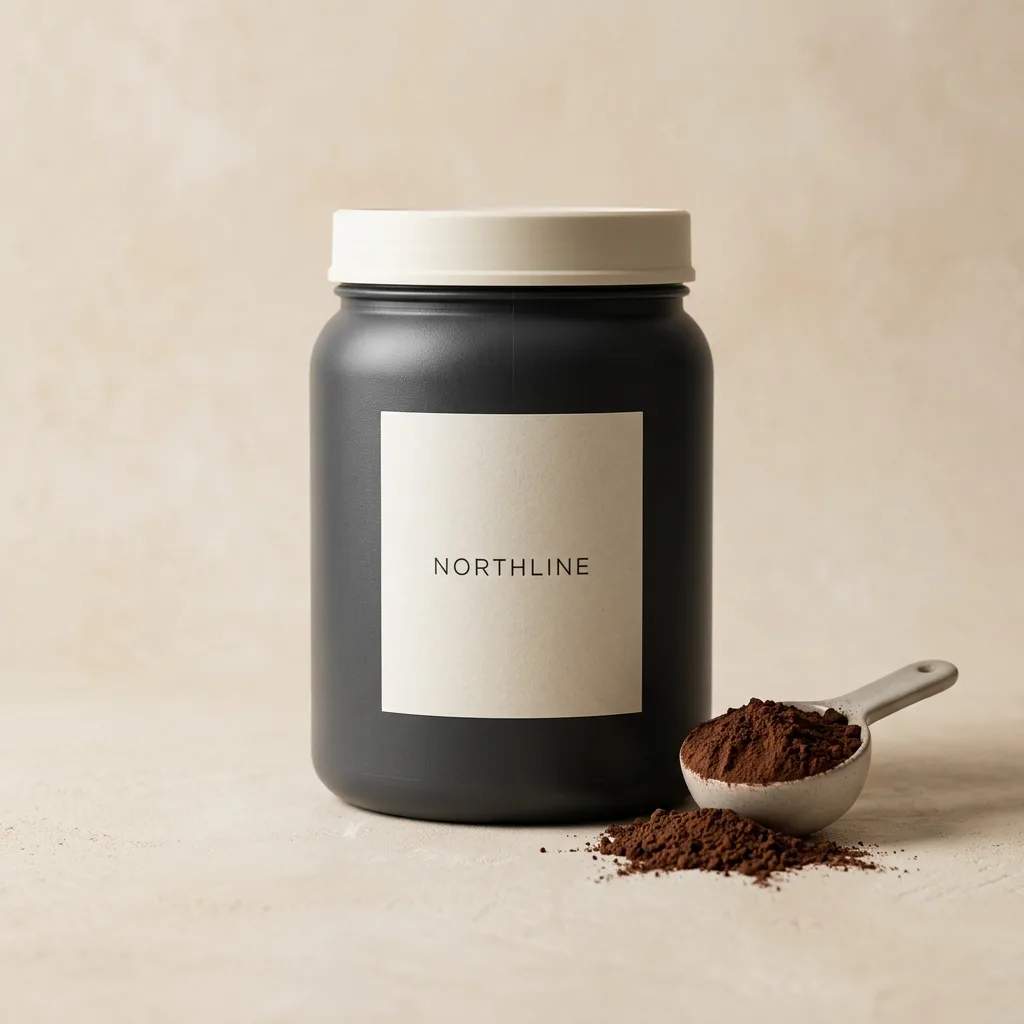
Dawnjar Sample
25g protein115 cal
21.7g protein / 100 cal
per serving · 1 scoop (30g)
$59.99$2.00 / serving
Preview collection · sample records with illustrative figures · prices in CAD. Ordering opens at launch.
Choose a coconut format first, inspect the powder’s flavour and serving directions, and check your blender’s frozen-fruit instructions. Keep opened-ingredient storage in mind when choosing package sizes. Gather only what you plan to use and judge your first glass before making a larger batch.
Blend frozen pineapple, coconut liquid, banana, lime and yogurt or vanilla powder. Begin with less liquid and add more until the mixture blends and pours as you prefer.
Yes, this version has no alcohol. Pineapple, coconut and lime provide the flavour without adding any alcoholic ingredient.
Use Greek yogurt or a measured portion of protein powder, checking its label. Milk, soy beverage or silken tofu are alternative ingredients; the finished amount depends on what you use.
Yes; omit banana and adjust frozen pineapple, mango and liquid for texture. Taste the blended fruit before deciding whether any additional sweetness is needed.
Choose coconut beverage for a pourable base or canned light coconut milk for a different texture. Read each package’s ingredients and serving basis rather than treating them as identical.
No; Dawnjar is a preview, and this smoothie is an editorial recipe rather than an orderable drink. Samples carry illustrative figures and CAD prices; ordering opens at launch.
Dawnjar preview pages use sample product records and illustrative nutrition figures. Ordering opens when real inventory and fulfillment are live. Nutrition information is general and informational only, not medical advice.