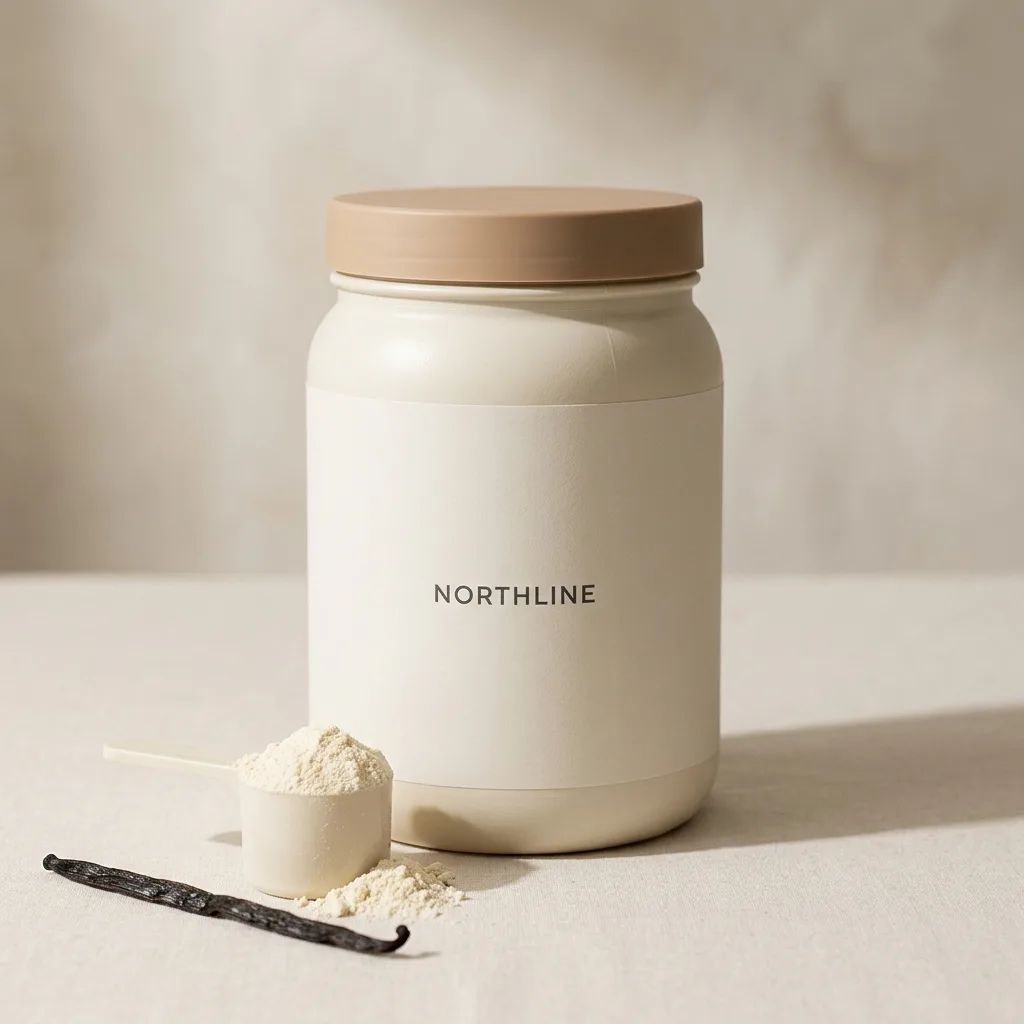
Dawnjar Sample
Whey Isolate — Vanilla Bean (2 lb)
25g protein110 cal
22.7g protein / 100 cal
per serving · 1 scoop (30g)
$59.99$2.00 / serving
Preview collection · Sample products · Prices in CAD
Dawnjar · High-protein recipes
A berry smoothie can be tart, creamy, thick enough for a spoon or fluid enough to pour. Frozen mixed berries, banana and a chosen protein-containing ingredient make an adaptable starting combination. Greek yogurt and protein powder are alternatives here, not interchangeable sources of a fixed nutrition total. Check every ingredient label and adjust the liquid to your blender and preferred texture. Dawnjar is a preview with sample records, illustrative figures and prices in CAD; ordering opens at launch.
Start with 1 cup frozen mixed berries, half a banana, Greek yogurt or a scoop of protein powder, and milk or soy beverage. Optional oats or chia can change the texture. These kitchen amounts are an adjustable starting point, not a tested formula with verified nutrition. Use the powder’s own scoop and directions rather than assuming a scoop from another package has the same mass.
Mixed berries — Use your preferred berry mixture and check any preparation instructions on the frozen package before blending.
Banana — Use half a banana as a starting amount; ripeness affects sweetness and texture.
Protein ingredient — Choose Greek yogurt or powder, reading the package portion and preparation directions.
Liquid — Have milk or soy beverage ready and add it in stages rather than committing to a full jug.
Optional texture — Use oats or chia only if you want their texture, and read their labels as separate ingredients.
Greek yogurt gives the smoothie a spoonable base and a tangy note. Milk changes the liquid texture and flavour; soy beverage has its own ingredient list and serving table. Silken tofu can provide a smooth base, while a powder can introduce vanilla, spice or other flavour notes. None is assigned a recipe protein quantity here. Read the exact package and record the amount you use.
If you substitute silken tofu for yogurt, start with a modest amount and adjust the liquid after blending. With powder, check whether its directions suit this kind of cold preparation. A vanilla-style flavour can sit behind berries, while a strongly flavoured blend may become the main taste. A strawberry flavour name does not establish berry fruit content, sweetness or the figures of this homemade drink.
Frozen berries make the mixture thick and cold, especially when the other ingredients are chilled. Fresh berries bring a softer texture and may release liquid more readily. If switching to fresh berries, begin with less added liquid and assess the result before pouring in more. Frozen banana can thicken the mixture further, but the blender needs to be designed for the ingredients you use.
A mixed bag can vary in the balance of berries from one pour to the next. Some blends taste more tart or have more noticeable seeds. Judge the blended mixture rather than assuming all mixed berries taste alike. Keep remaining fruit under its package storage conditions, and do not treat a change in colour or texture as a complete food-safety check.
For a smoothie that is too thick, add the chosen liquid gradually and blend again. For one that is too thin, try additional frozen fruit or a little more yogurt, checking the result after each change. Optional oats and chia can alter the texture over time, so avoid repeatedly adding them before the mixture has settled. Do not use extra dry powder as the automatic answer to every texture problem.
Taste before adding sweetness. Ripe banana, berry choice and flavoured powder can already contribute a sweet impression. If leaving banana out, use more berries or a modest amount of yogurt or silken tofu and expect a different flavour. A thinner drink and a spoonable bowl are different aims; choose the format first so you are not correcting a texture that was actually what you wanted.
If you want to compare preparations, keep the ingredient names and amounts beside the package figures. Swapping yogurt for powder or milk for soy beverage changes which tables belong to the recipe. Do not attach the dry powder’s protein figure to the entire glass without accounting for the actual amount used. This page supplies no nutrition total, daily recommendation or promised outcome for a drink.
Fruit directions — Follow the frozen berry package’s preparation and storage instructions.
Serving basis — Record whether powder figures describe dry material or a prepared serving.
Complete ingredients — Read flavourings, sweeteners and optional additions rather than only the product name.
Allergen statements — Review milk and soy declarations and any may-contain wording on the exact package.
Recipe changes — Keep ingredient amounts consistent when comparing two preparations.
The whey isolate and vanilla chai plant-blend records are existing powder references. They are not berry powder, yogurt, tofu or ready-to-drink smoothies. Their illustrative figures and CAD prices show the Dawnjar comparison format without establishing this recipe’s nutrition or predicting how another ingredient tastes. Ordering opens at launch; the shelf does not introduce a smoothie product.
Dawnjar Sample
25g protein110 cal
22.7g protein / 100 cal
per serving · 1 scoop (30g)
$59.99$2.00 / serving
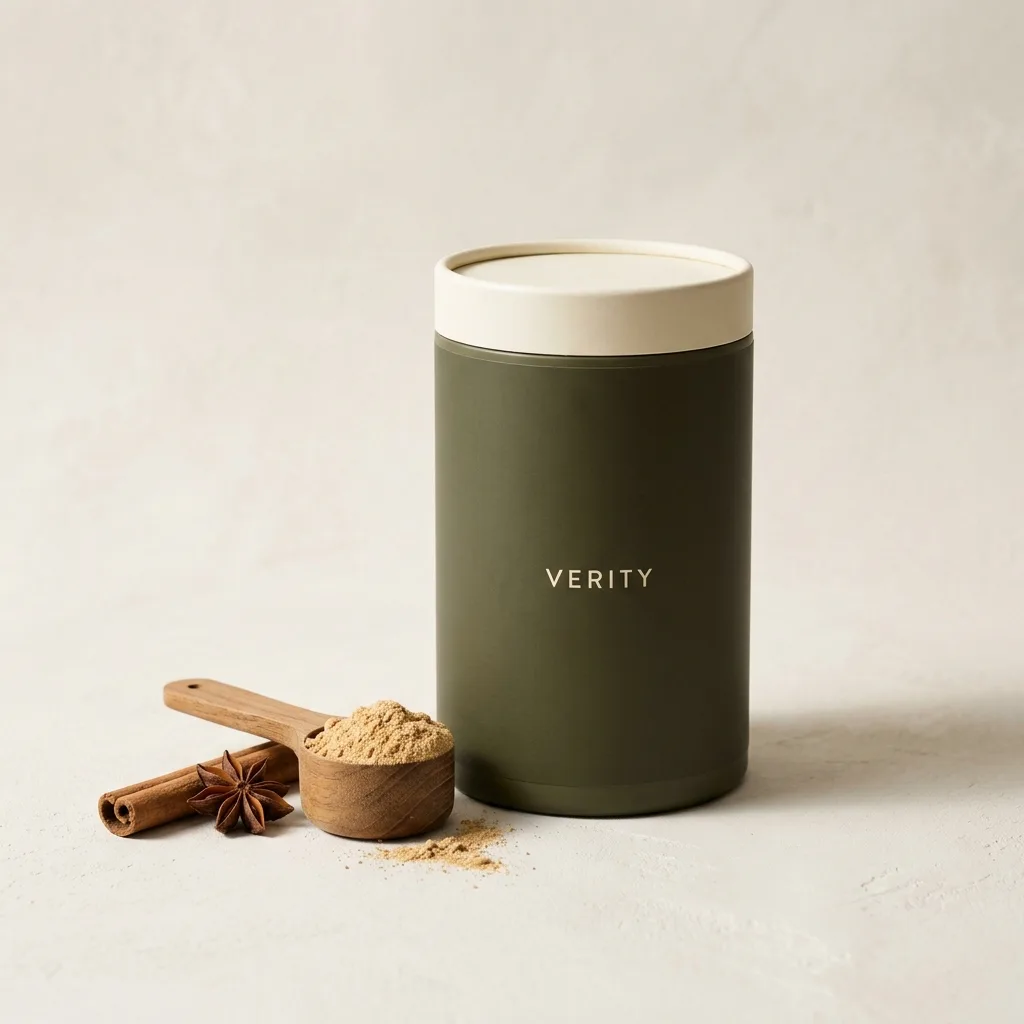
Dawnjar Sample
24g protein130 cal
18.5g protein / 100 cal
per serving · 1 scoop (34g)
$54.99$2.29 / serving
Preview collection · sample records with illustrative figures · prices in CAD. Ordering opens at launch.
Choose the texture and protein-containing ingredient before comparing packages elsewhere. Check preparation instructions, serving quantities, flavour and storage conditions, then decide how the ingredient fits your intended recipe. Keep a chilled smoothie refrigerated, follow the ingredient labels and make it close to serving when practical. Separation can be a texture issue, but stirring is not a food-safety assessment. No guaranteed keeping period is provided here.
Blend berries, banana, a chosen protein ingredient and enough liquid for your preferred texture. Follow the fruit and powder package preparation directions, then adjust the liquid gradually.
Use Greek yogurt, milk, soy beverage, protein powder or silken tofu. Read the exact ingredient labels and amounts; this recipe has no fixed protein total.
Either works; frozen berries make the mixture colder and thicker. Start with less liquid for fresh berries and follow any preparation instructions on frozen packages.
Add frozen fruit or a little yogurt, then blend and check again. Optional oats or chia change texture over time, so adjust gradually rather than adding repeated spoonfuls.
Yes; use more berries, yogurt or silken tofu and adjust the liquid. The flavour and texture will differ, so taste before making another addition.
No; Dawnjar does not offer smoothies, and the site is a preview. The powder references have illustrative figures and CAD prices; ordering opens at launch.
Dawnjar preview pages use sample product records and illustrative nutrition figures. Ordering opens when real inventory and fulfillment are live. Nutrition information is general and informational only, not medical advice.