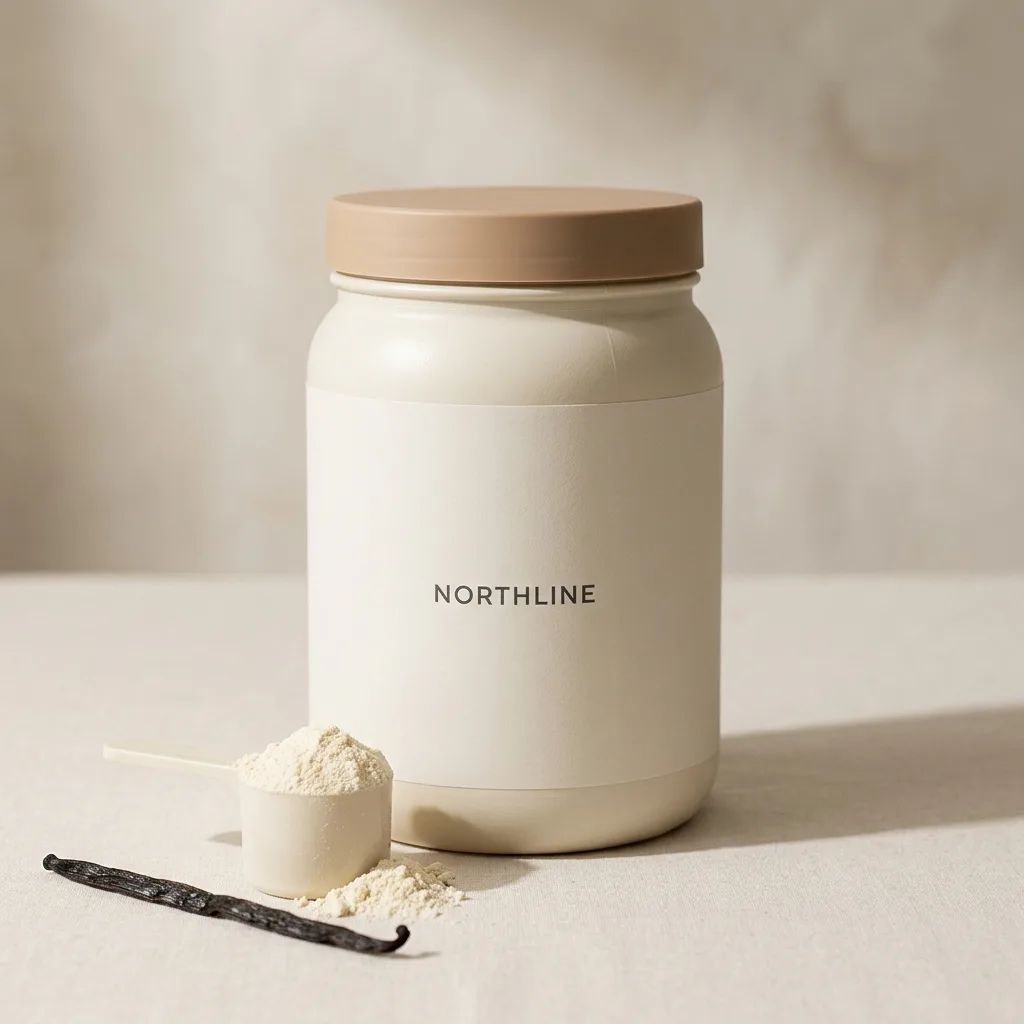
Dawnjar Sample
Whey Isolate — Vanilla Bean (2 lb)
25g protein110 cal
22.7g protein / 100 cal
per serving · 1 scoop (30g)
$59.99$2.00 / serving
Preview collection · Sample products · Prices in CAD
Dawnjar · High-protein recipes
Dragon fruit, also called pitaya, makes a colourful smoothie with a mild fruit base that leaves room for banana, mango and lime. Use frozen pink pitaya for the bright version described here, then choose Greek yogurt or vanilla protein powder and a liquid that suits your preferred texture. These are adjustable preparation ideas, not a tested formula or nutrition total. Dawnjar remains a preview with illustrative sample figures and CAD prices; ordering opens at launch. Its powder references are separate from this homemade drink.
Gather frozen pink pitaya packs or cubes, banana or mango, plain Greek yogurt or vanilla protein powder, milk or soy beverage and a lime. Read a pitaya pack’s ingredient list to see whether it contains only fruit or other additions. A powder portion should follow its own package directions. Keep extra beverage nearby rather than filling the jug before you see how the frozen fruit blends.
Choose banana for a creamy, rounded fruit note or mango for a more tropical direction. If both fruits are frozen, you may need extra liquid for circulation. Fresh banana with frozen pitaya is another starting point. No fixed protein figure follows from this ingredient list: the yogurt, powder, beverage and portions all vary.
"Dragon fruit smoothie" receives about 390 searches a month in Canada, per Semrush data pulled October 2026. "Pitaya smoothie" receives about 320 searches a month in Canada, per Semrush data pulled October 2026. The two names refer to the fruit, not a standardised drink formula.
If the drink separates, stir it. For remaining frozen chunks, improve circulation or use smaller pieces. Stop if it struggles.
Mango brings a soft tropical flavour; pineapple adds a sharper note. Banana makes the texture creamy and can dominate if you add a lot. Berries introduce their own colour as well as flavour, so a pink pitaya and dark berry mixture may not look like pitaya alone. Coconut beverage, coconut yogurt and shredded coconut are different ingredients with different textures; read each label rather than treating them as one substitution.
For a fruit-forward blend, choose one partner and taste before combining more. Lime can make a mild mixture feel more distinct without requiring another fruit. If you use sweetened yogurt or a flavoured beverage, assess the cold drink before adding sweetness. Package flavour descriptions do not establish the sugar entry or the final taste.
Fresh flesh blends into a softer drink, while frozen pieces help create thickness without as much ice. Pink-fleshed and white-fleshed fruit can both be used, but check the flesh colour if appearance matters to you. Cut away the peel and work with the edible flesh. With fresh fruit, add ice gradually only if your appliance allows it, remembering that melted ice adds water.
To freeze your own fruit, peel and cut it into blender-friendly pieces, spread them on a lined tray and freeze before transferring to freezer-appropriate packaging. Keep portions easy to separate and label the container for your own reference. Follow general freezer guidance rather than assuming this article establishes a guaranteed storage period. Avoid packing a wet mass into one large block.
Greek yogurt gives a creamy, tangy base. Vanilla powder brings its own flavourings and preparation instructions. Milk and soy beverage contribute their own labelled ingredients, while silken tofu offers a smooth alternative base when blended thoroughly. These choices are not a fixed protein equivalence: use the portion and table for the exact ingredient, and keep additions separate from a powder-only figure.
Vanilla suits mild pitaya, but a spiced formula changes the flavour. Add yogurt before frozen fruit to help distribute it. The berry guide offers another fruit-led method, not an equal-nutrition replacement.
Start with more frozen fruit relative to the liquid and blend within your appliance’s instructions. If the blades stop moving, loosen the mixture before continuing. A spoonable bowl should still be achievable without forcing the motor. Transfer it to a chilled bowl, then add fruit pieces or your chosen crunchy topping; stirring them into the blender changes the texture.
Toppings are additional ingredients, not decoration outside the recipe. Read any granola, nut or seed package separately and keep its portion in view. A bowl serving and a glass serving need not be the same amount. The dedicated bowl guide covers circulation and topping choices without borrowing the nutrition of a different recipe.
Milk and soy are relevant label checks for the beverage, yogurt and powder. Health Canada says priority allergens must be identified by common name on pre-packaged food labels. Inspect ingredients, Contains statements and precautionary wording on each component. Coconut flavour wording does not describe the separate powder, and fruit colour cannot establish the rest of a blend’s ingredients.
Fruit pack contents — Distinguish plain pitaya from a pre-blended fruit mixture and read any added ingredients.
Powder measurement — Use the serving mass and preparation wording, not a scoop borrowed from another tub.
Beverage and yogurt — Check the actual flavour, sugars, protein and stated portion for each package.
Storage instructions — Retain labels for chilled ingredients and follow them when planning preparation.
Health Canada notes that the Nutrition Facts table lists calories plus 12 nutrients per serving. Serving size "isn’t a recommendation of how much to eat". Those entries describe the labelled ingredient portion, not an automatically calculated smoothie total.
Existing vanilla whey and vanilla chai plant-blend samples illustrate powder labels, not pitaya flavours or finished smoothies. Their figures and CAD prices are illustrative and remain attached to those records. The plant reference does not describe your beverage or yogurt.
Dawnjar Sample
25g protein110 cal
22.7g protein / 100 cal
per serving · 1 scoop (30g)
$59.99$2.00 / serving
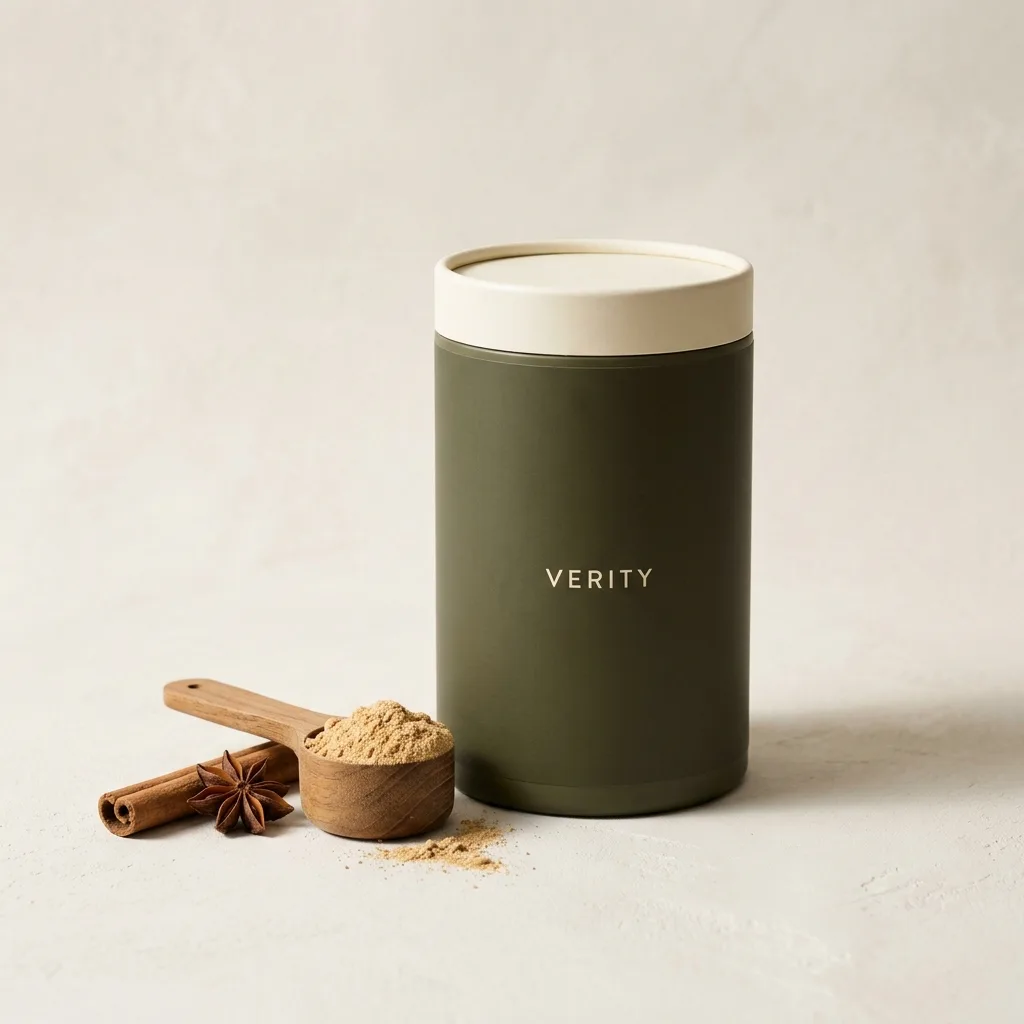
Dawnjar Sample
24g protein130 cal
18.5g protein / 100 cal
per serving · 1 scoop (34g)
$54.99$2.29 / serving
Preview collection · sample records with illustrative figures · prices in CAD. Ordering opens at launch.
Decide whether you want a pourable drink or a spoonable bowl, then check your blender’s frozen-fruit directions. Look for the pitaya flesh colour and pack contents you want. Choose a base with readable label information, and leave room to adjust the lime and liquid after the first blend.
Blend frozen pitaya with banana or mango, yogurt or vanilla powder, and milk or soy beverage. Add lime gradually and adjust the liquid for your blender. Follow the powder’s directions if you use it.
Yes; peel it, cut the flesh into pieces and freeze in a single layer before transferring to a container. Use freezer-appropriate packaging and follow general storage guidance. Portioning first makes it easier to take only what you need.
Mango, pineapple, banana, berries and coconut pair with its mild flavour. Start with one companion fruit so you can judge the balance. Lime adds sharpness and can be adjusted after blending.
Use Greek yogurt, vanilla protein powder, milk, soy beverage or silken tofu as an ingredient. Their labelled amounts and measured portions determine the contribution. Do not treat different scoops or beverage types as interchangeable figures.
Pink gives the bright colour; white tastes similar but looks milder in the glass. Flesh colour, rather than the outside peel alone, determines the appearance. Both can be used with the same adjustable blending method.
No; Dawnjar is a preview, with ordering opening at launch. The powder references have illustrative figures and CAD prices. This pitaya recipe is not a current smoothie product.
Dawnjar preview pages use sample product records and illustrative nutrition figures. Ordering opens when real inventory and fulfillment are live. Nutrition information is general and informational only, not medical advice.