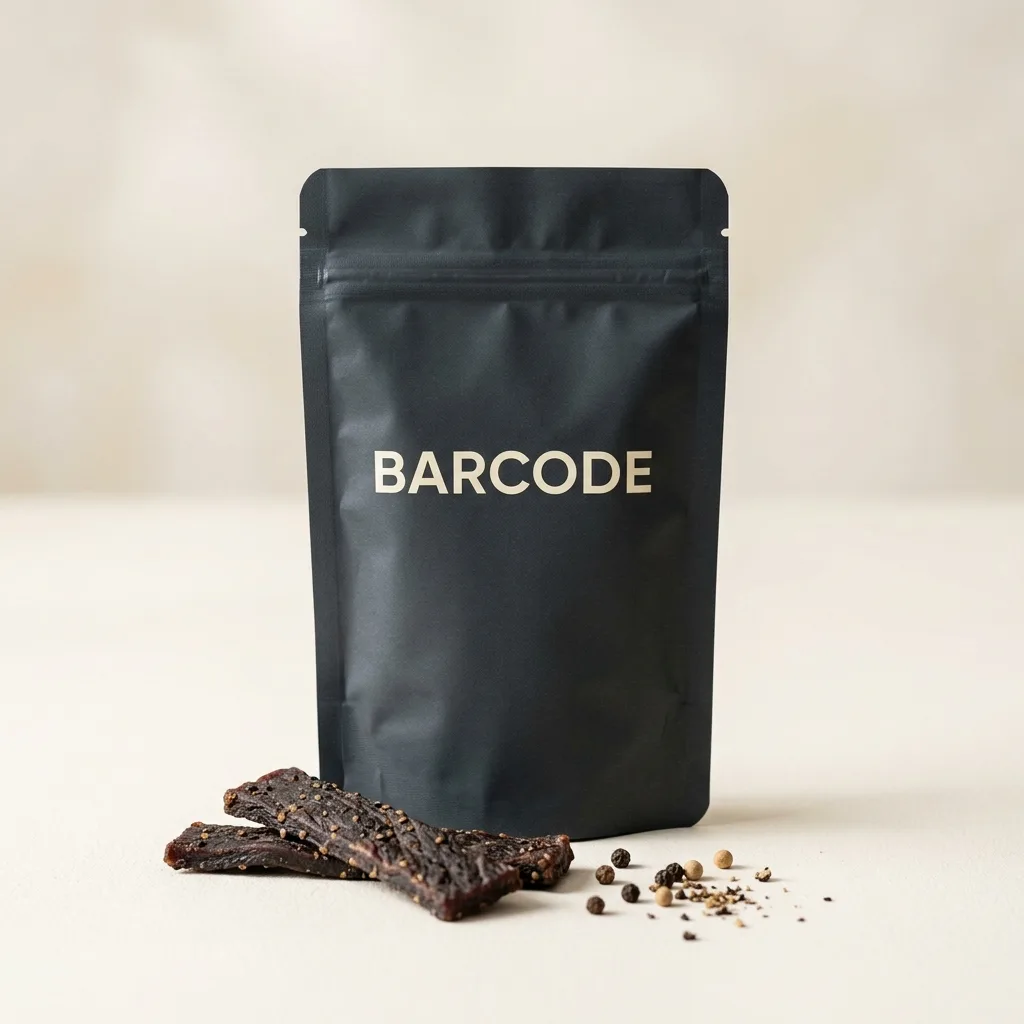
Dawnjar Sample
Beef Jerky — Black Pepper
15g protein80 cal
18.8g protein / 100 cal
per serving · 1 pack (40g)
$27.99$4.67 / serving
Preview collection · Sample products · Prices in CAD
Dawnjar · Savoury protein snacks
Beef jerky is lean meat that's sliced, marinated and dried, which makes a small, shelf-stable snack with protein as the headline number. This guide covers jerky and meat sticks in Dawnjar's preview collection, the difference between the two, and what to compare before you buy jerky in Canada. Every product below is a sample record with illustrative figures; ordering opens at launch.
A black pepper beef jerky and a maple chicken stick. Protein per pack, calories, protein per 100 calories and price per serving come straight from each record.
Dawnjar Sample
15g protein80 cal
18.8g protein / 100 cal
per serving · 1 pack (40g)
$27.99$4.67 / serving
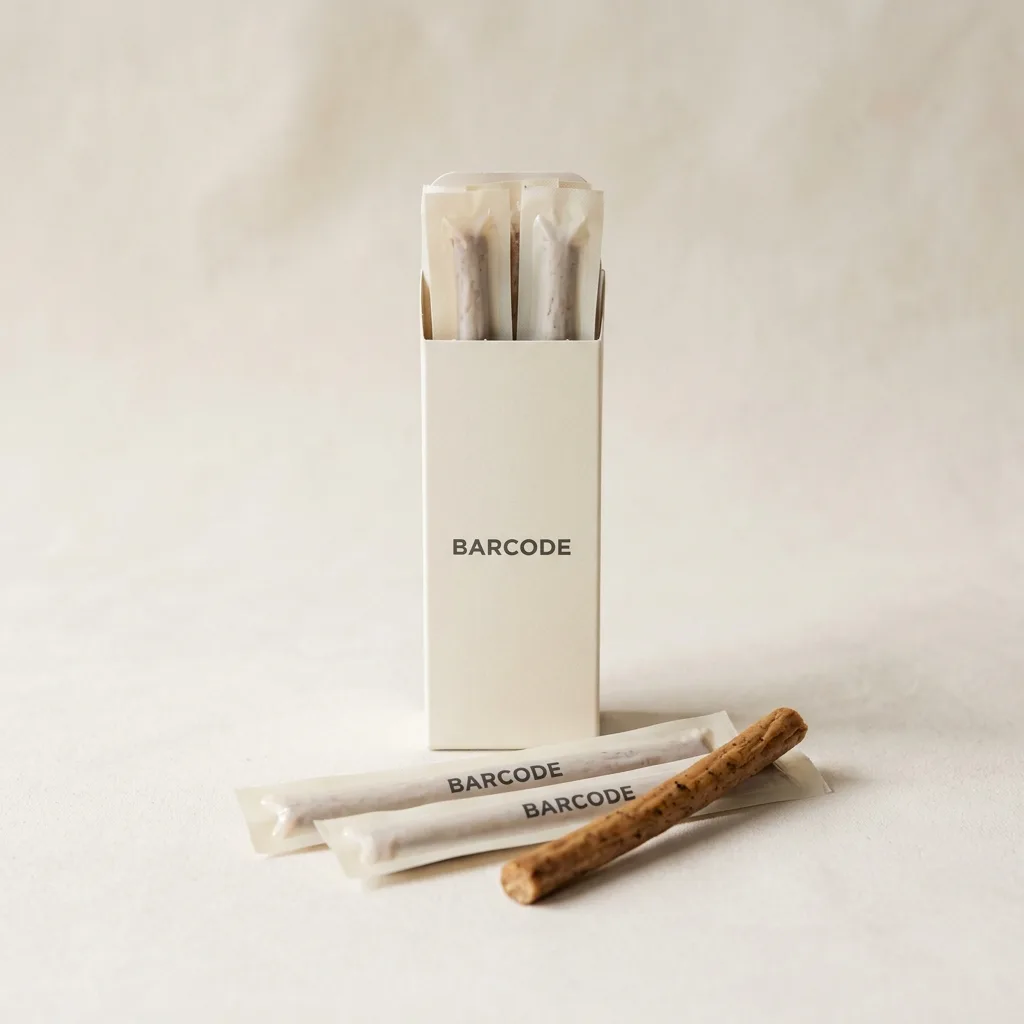
Dawnjar Sample
11g protein60 cal
18.3g protein / 100 cal
per serving · 1 stick (28g)
$24.99$2.50 / serving
Preview collection · sample records with illustrative figures · prices in CAD. Ordering opens at launch.
Jerky is whole-muscle meat cut into strips, marinated and dried, so it's chewy and comes in pieces. Meat sticks are made from ground, seasoned meat that's shaped into a casing and smoked or dried, so they're softer and come as single sticks, which makes them easy to portion. Both are savoury, sealed and don't need a fridge before opening.
Protein per pack — compare the pack you'll actually eat, not per 100g.
Protein per 100 calories — shows how much of the snack's energy comes from protein; it's on every card.
Sodium — curing and marinades add salt, and amounts vary a lot between brands, so check the Nutrition Facts table.
Sugar in the marinade — sweet flavours such as teriyaki or maple usually list more sugar.
Ingredients and allergens — soy sauce marinades often contain soy and wheat; look for a gluten-free label if you need one.
Price per serving in CAD — multipacks look cheaper until you divide by the number of packs.
Sealed jerky and meat sticks are usually shelf-stable. Once a pack is open, follow the storage line on the label; many say to refrigerate and finish within a few days. Single-serve packs avoid the problem entirely, which is why they're popular for bags, desks and road trips.
Want crunch instead of chew? These sample records cover protein chips and puffed bites; the protein chips guide compares them in detail.
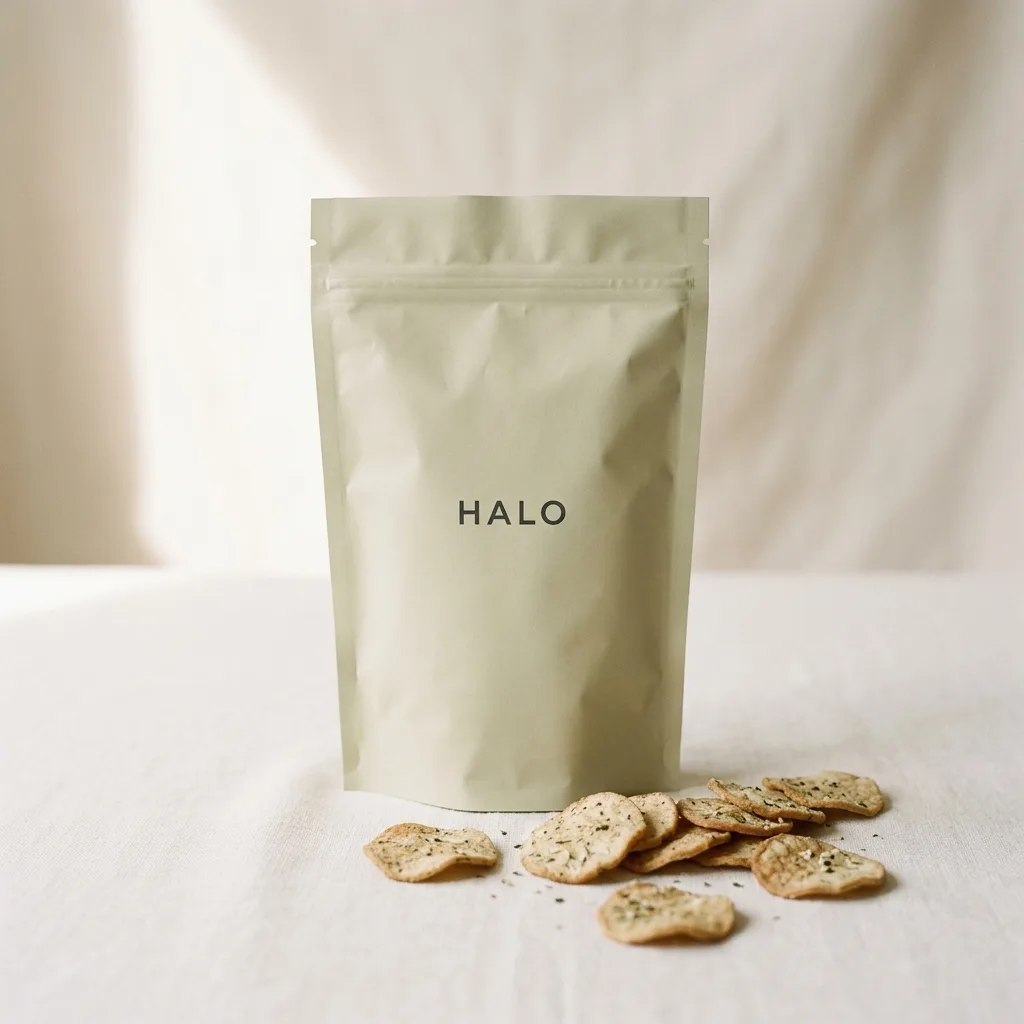
Dawnjar Sample
18g protein140 cal
12.9g protein / 100 cal
per serving · 1 bag (32g)
$26.99$3.37 / serving
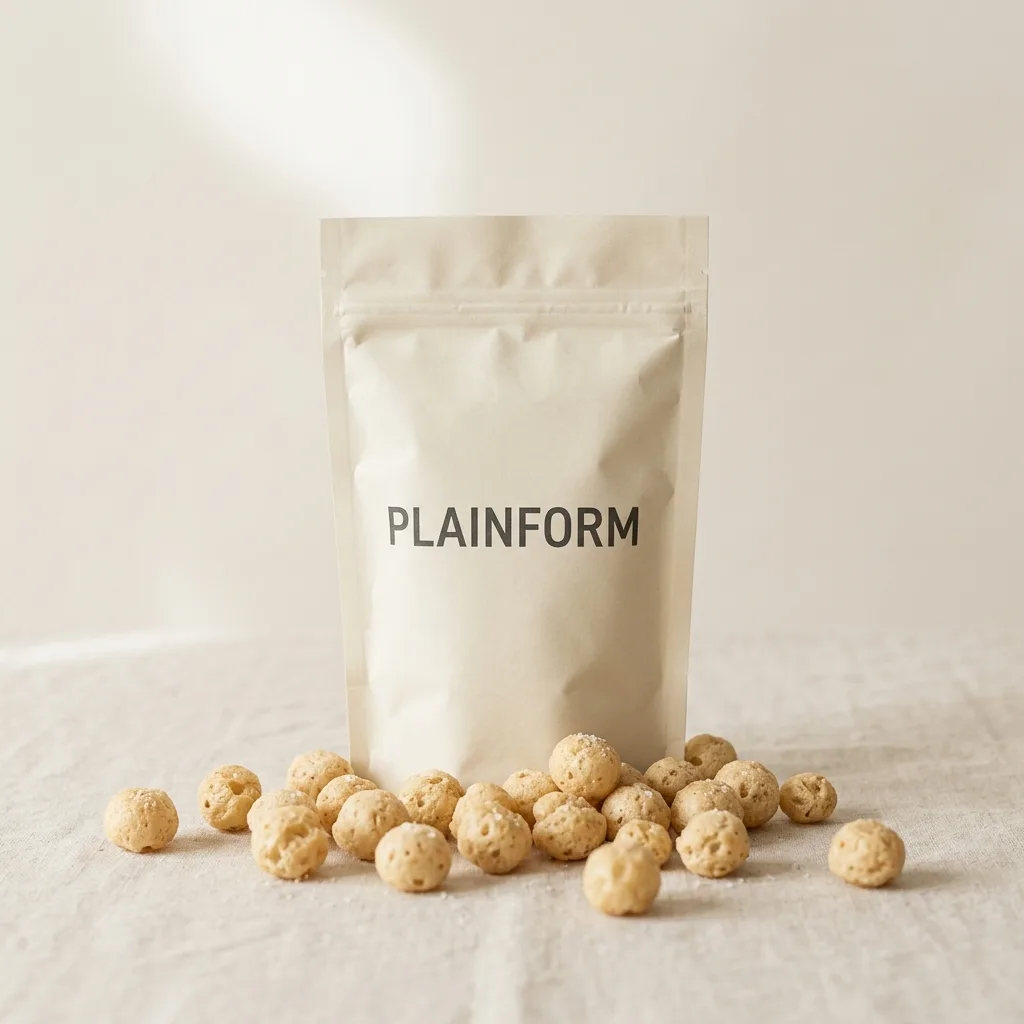
Dawnjar Sample
15g protein120 cal
12.5g protein / 100 cal
per serving · 1 bag (28g)
$21.99$3.66 / serving
Preview collection · sample records with illustrative figures · prices in CAD. Ordering opens at launch.
Jerky generally starts with lean beef sliced thin, marinated and dried at low heat to create chewy strips. That is a broad description of the format, not a recipe specifying temperatures, time or equipment. Commercial recipes and methods differ, and a finished strip's appearance does not establish how it was processed. Read product and storage information rather than assuming all dried meats are handled identically.
For homemade jerky, follow a tested recipe that addresses heating as well as drying and keeps meat properly heated and dried through the stated process. Low heat by itself is not a complete food-safety instruction. Do not infer readiness from colour, firmness or a description on this page. Use the recipe's equipment, preparation and storage directions, and do not invent a keeping period for the finished batch.
Marinades change the full ingredient list. Sweeteners, sauces and seasonings remain part of the comparison even when beef is the headline ingredient. Ground-meat sticks have a different construction from sliced jerky and should follow directions intended for that format. The preview's beef jerky and chicken stick are separate illustrative records; neither provides a tested homemade method or verified processing details.
Find the gram serving and whether the pack contains more than that portion. Compare protein, sugars and sodium together for the same amount, scaling every entry consistently if you calculate a whole pack. Health Canada says serving size "isn't a recommendation of how much to eat". It is the reference for reading the table, not a direction about how much of the bag to consume.
For sodium and other listed nutrients with a daily value, use: % DV: 5% DV or less is a little, 15% DV or more is a lot. A savoury name does not quantify sodium, and a sweet marinade name does not measure sugars. Read the actual figures and keep any whole-pack calculation distinct from the printed portion. A larger pack can carry more total protein without a higher concentration.
Soy and wheat are priority allergens, and priority allergens must be identified by common name on pre-packaged food labels. Read sauces and seasoning ingredients together with any Contains statement and precautionary wording. A meat source tells you only one part of the recipe. Ask for the exact reverse label when a listing supplies insufficient ingredient information instead of substituting a similar flavour's declarations.
Keep CAD pack price beside the declared serving count and package weight. If comparing a single pack with a multipack, establish which quantity the listed price covers before dividing. Texture remains a separate preference: thin strips, thicker pieces and sticks are not equal portions just because they are portable. The sample figures on Dawnjar illustrate these comparison fields rather than establish another jerky's composition.
Pack versus portion — Record both package weight and serving weight so you can tell a total from a labelled portion.
Exact flavour — Use the table and ingredients for the same marinade and package size as the CAD price.
Storage line — Read the directions before and after opening. Where handling is unclear, follow the label and do not invent a storage period.
It depends on the brand and pack size. Dawnjar shows protein per pack, calories and protein per 100 calories on every card; the figures on this page come from preview sample records.
Salt is part of curing and most marinades. Sodium varies widely between products, so compare the Nutrition Facts table if sodium matters to you.
Jerky is whole-muscle meat sliced and dried into chewy strips. Meat sticks are ground, seasoned meat shaped into a casing and smoked or dried, so they're softer.
Sealed jerky is usually shelf-stable. After opening, follow the label; many products say to refrigerate and finish within a few days.
Not always. Soy sauce and teriyaki marinades often contain wheat, so look for a gluten-free label rather than assuming.
Not yet. The jerky and meat sticks on this page are preview sample records priced in CAD. Ordering opens at launch.
Use a tested recipe for slicing, marinating, heating and drying beef. A general low-heat drying description is not a complete food-safety method. Follow the recipe's specified heating and drying requirements and its storage instructions.
It is high in protein and often high in sodium; check the label. Compare the exact serving, protein, sugars and sodium rather than treating the category as a health verdict. Dawnjar makes no health claim about its samples.
Compare calories and fat per serving on the label. Health Canada says serving size "isn't a recommendation of how much to eat". This guide makes no weight-related claim about jerky.
Human jerky is often salty and seasoned; ask your veterinarian. Read the complete ingredient list rather than treating a meat name as pet-feeding guidance. This food comparison guide does not assess a product for an animal.
Dawnjar preview pages use sample product records and illustrative nutrition figures. Ordering opens when real inventory and fulfillment are live. Nutrition information is general and informational only, not medical advice.