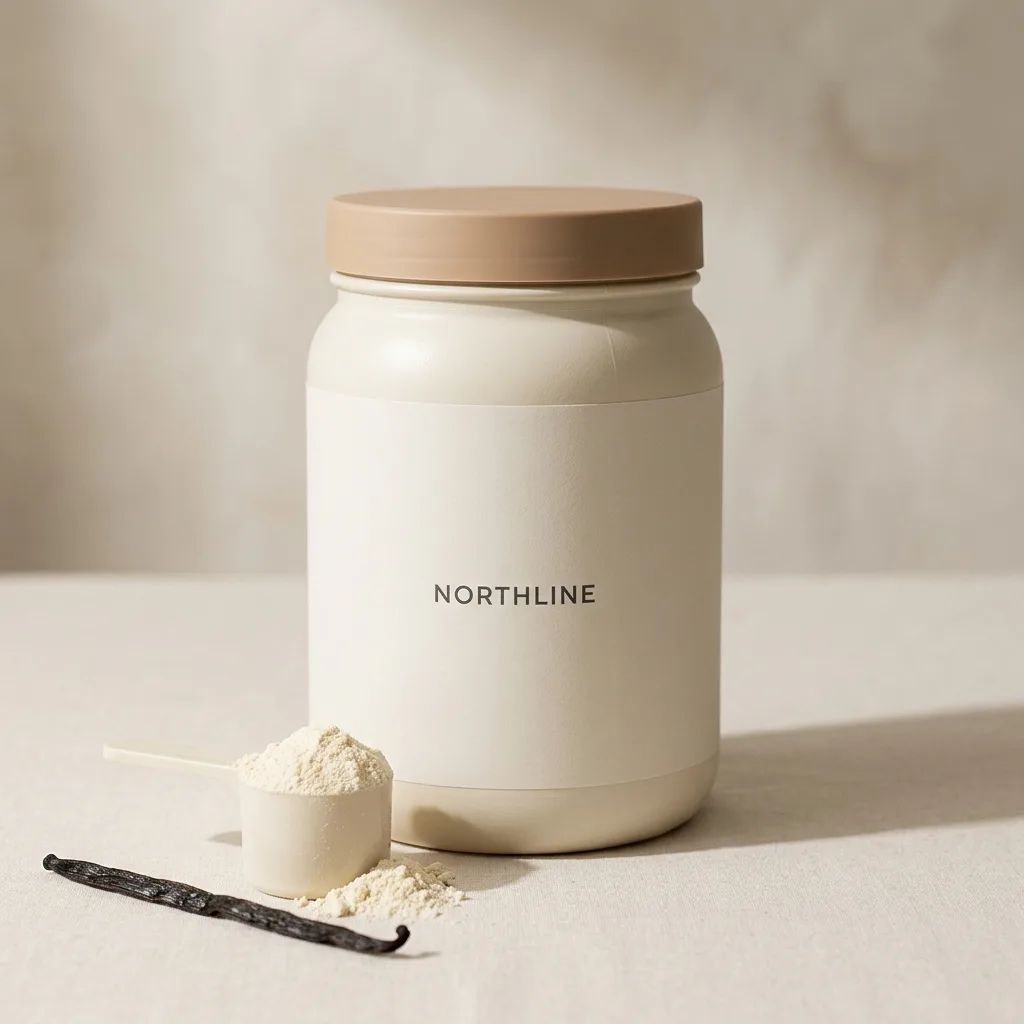
Dawnjar Sample
Whey Isolate — Vanilla Bean (2 lb)
25g protein110 cal
22.7g protein / 100 cal
per serving · 1 scoop (30g)
$59.99$2.00 / serving
Preview collection · Sample products · Prices in CAD
Dawnjar · Practical buying guides
Egg white protein powder is a label and preparation topic distinct from whey and plant blends. A plain baking ingredient and a flavoured shake powder may both use dried egg white without having the same instructions or final recipe. This guide explains those differences through ingredient wording, mixing and comparison units. Dawnjar has no egg white powder record; the shelf contains existing whey isolate and plant blend examples only. Only the listed comparison records supply illustrative figures and CAD prices here; ordering opens at launch. They do not establish an egg powder's characteristics.
Egg white powder is generally produced from separated egg whites that are pasteurised and dried, often using spray drying. Those are broad process descriptions rather than a verified production statement for a specific tub. Drying removes water to create an ingredient that can be measured and incorporated into preparations. Read the manufacturer's wording to identify the product you are actually comparing instead of assuming that every package describes exactly the same process or intended use.
A plain powder may be sold as a baking ingredient, while another formula combines egg white with flavourings or other components for a drink. The source name alone does not disclose those additions. Look at the full ingredient list, net quantity and preparation directions before deciding which comparison applies. This article does not identify a manufacturer, certify a process or claim that any of Dawnjar's existing powder samples contains dried egg white.
A baking package can give reconstitution directions designed for its role in a recipe, including the amount of water to combine with the powder. Follow that particular package rather than substituting a shake scoop or treating dry powder as a direct replacement for liquid egg white. A recipe written for the intended ingredient is the useful starting point. Egg white solids contribute more than a front-panel protein description, so changing the ingredient can change the finished bake.
A flavoured egg protein formula may contain cocoa, sweeteners, gums or other ingredients that affect taste and texture in baking. It is not automatically interchangeable with plain egg white powder, especially in a savoury dish or a recipe relying on whipping. Read both the package method and the recipe before adapting them. No universal replacement ratio is supplied here, and no completed baking nutrition figures are created from an ingredient name or a sample powder card.
Plain egg white powder is an egg-derived ingredient rather than a milk-derived one, but a finished egg protein recipe can contain additional ingredients. Do not designate a flavoured product milk-free from its main protein source alone. Read the full ingredient and allergen statements, including precautionary wording, on the exact package. Egg is itself an allergen, and the presence or absence of a milk statement is a different label question from the egg source.
For lactose information, use the package label and the product's own lactose statement rather than drawing a conclusion from an egg name. This guide does not assess suitability for anyone's needs or reinterpret a may-contain declaration. A shelf containing whey and plant comparisons supplies no missing information for an egg powder. Keep each package's ingredient and allergen wording attached to that package, rather than transferring a declaration between neighbouring products or different flavour versions.
Unflavoured egg white powder can have its own background taste, while flavoured recipes may change how noticeable it is. Liquid, temperature and preparation method also influence the result. Do not assume that an unflavoured name means no taste, or that one chocolate description defines the same flavour across sources. Try a small preparation following the package so you can assess the actual formula without committing a larger quantity to a guess.
Egg white mixtures can foam when agitated, and the amount depends on the formulation and method. A shaker and a blender may introduce air differently. Follow the liquid quantity and mixing instructions on the package rather than applying a whey method unchanged. If your preparation produces unwanted foam, consult any guidance provided before changing the technique. No foam level or smoothness guarantee is assigned to a powder that is absent from Dawnjar's records.
Find the serving mass and read protein for that stated portion, keeping any scoop measure beside it. A scoop is a tool supplied with a particular product, not a common unit across egg, whey and plant tubs. A larger printed protein entry may also reflect a larger serving. Compare the label portions carefully before describing a difference, and do not insert a typical egg powder figure when the exact table is unavailable.
Read the sugar, fibre and other entries on the same serving basis if those lines matter to your comparison. An ingredient-only baking powder and a flavoured drink mix can have different constructions, so source alone does not settle the table. Prepared figures also need their stated liquid and method checked. This page provides no nutrition numbers for an egg powder, mixed shake or bake; the existing comparison cards retain their own illustrative record figures.
For cost per twenty-five grams of protein, first establish the product's serving cost using its package price and serving count. Divide that serving cost by the protein grams for the same portion, then multiply by twenty-five. Keep the currency and serving basis consistent throughout. That calculation needs a real label and price for the egg powder being considered; this guide does not fill a missing input with a whey or plant sample's figures.
Keep the total package price beside the standardised result, since it describes the initial commitment rather than the comparison unit. A liquid, baking mix or flavour addition has its own cost and is not automatically covered by powder-only arithmetic. No price relationship is asserted between egg and other sources. Dawnjar's sample CAD metrics illustrate their existing formulas, not an available egg white tub, promotional price or cost for a completed recipe.
Use the same questions for each source: what portion is printed, what ingredients accompany it, how is it prepared and what cost basis is available? Egg, whey and plant descriptions identify different ingredients but do not determine a universal winner. Texture can depend on the whole formula, not just the source. The plant-versus-whey guide gives another comparison framework without requiring an egg powder to be treated as equivalent to either sample.
For a baking task, package directions and the recipe's ingredient requirements matter more than simply matching a protein entry. For a drink, consider the liquid instructions and the mouthfeel you prefer. Keep allergens as exact label-reading information rather than a source-based assurance. The current shelf is explicitly a whey isolate and plant blend comparison; neither record is renamed as egg protein, and neither supplies a verified egg-specific taste, serving or process claim.
Use the reconstitution method printed on an egg white baking ingredient if a recipe asks for prepared egg white. Do not infer that the dry scoop can be used uncooked or in any no-bake method unless the ingredient's directions support that preparation. Likewise, avoid a one-for-one replacement for flour or another powder without a recipe designed for it. This guide gives general preparation considerations, not a tested bake or a guarantee that every product supports the same uses.
Store the ingredient according to its package and keep its preparation guidance available after opening. A reconstituted mixture has a different storage situation from a dry powder, so refer to the relevant instructions rather than extending a tub date to a prepared dish. If you are uncertain about using an ingredient, do not use it. No shelf life, food-safety assurance or finished-recipe nutrition is promised by the editorial comparison or the illustrative sample shelf.
Dawnjar Sample
25g protein110 cal
22.7g protein / 100 cal
per serving · 1 scoop (30g)
$59.99$2.00 / serving
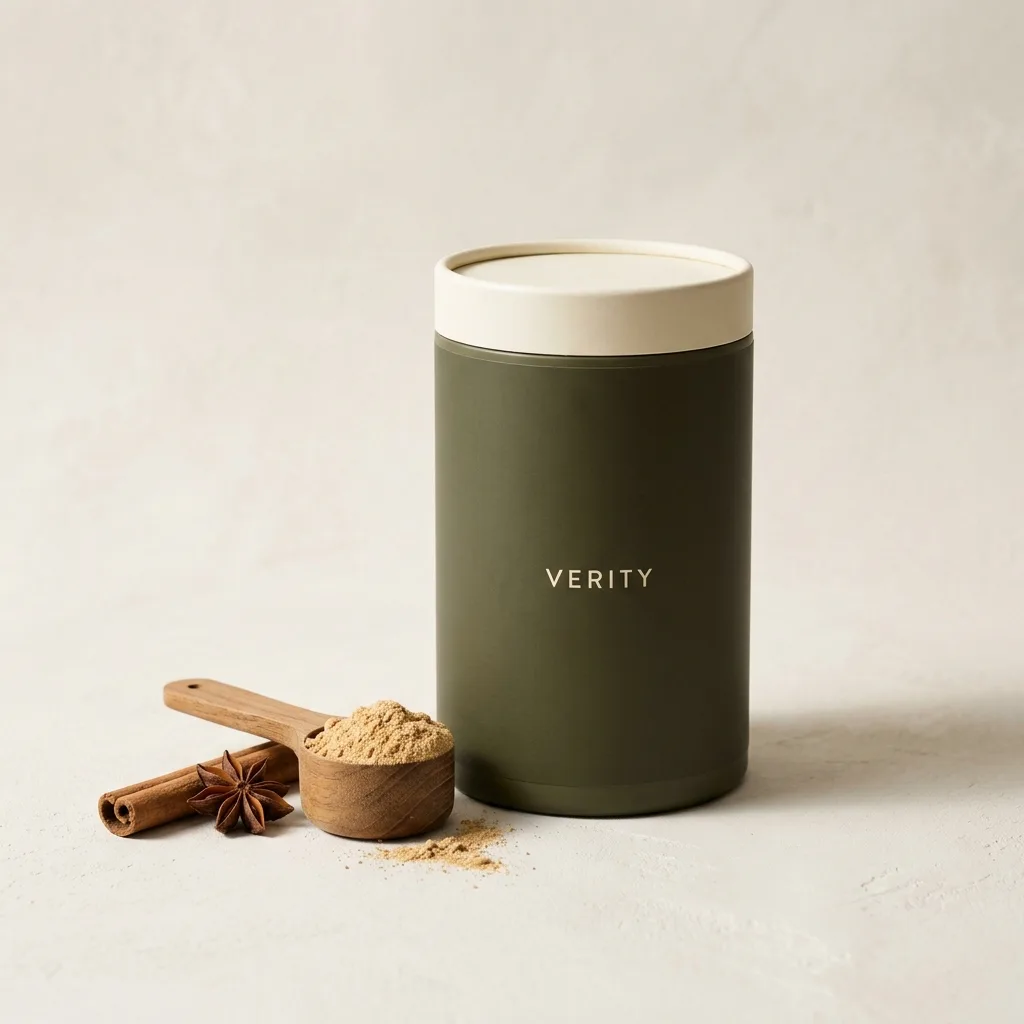
Dawnjar Sample
24g protein130 cal
18.5g protein / 100 cal
per serving · 1 scoop (34g)
$54.99$2.29 / serving
Preview collection · sample records with illustrative figures · prices in CAD. Ordering opens at launch.
It generally starts with separated egg whites that are pasteurised and dried, often by spray drying. That broad explanation does not verify a particular product's process. Read its production wording and ingredient list, because a plain baking powder and a flavoured drink formulation can contain different accompanying ingredients and directions.
They can share an egg white ingredient without being interchangeable products. A baking package may specify reconstitution for a recipe, while a shake formula may contain flavours and other additions. Follow the exact package and a suitable recipe rather than applying one scoop or replacement ratio to both categories.
An egg source is not a complete ingredient declaration for a finished formula. Consult the ingredient list, milk and egg allergen statements, and any precautionary wording. Egg remains an allergen in its own right. For lactose, rely on the label and that product's own statement; Dawnjar makes no suitability assessment.
Egg white preparations can incorporate air during mixing, with the result affected by the formula, liquid and equipment. Follow the package method and consider its own guidance about foam. This article does not promise a foam-free result or infer how a missing egg powder behaves from an isolate or plant sample.
Use the known price, serving count and protein per declared serving for each product separately. Calculate serving cost, divide by its protein grams and scale to twenty-five grams for a common basis. Missing egg-powder inputs stay missing; another sample's figures cannot supply an egg price or serving amount.
There is no egg white powder record on this page. Its shelf uses existing vanilla whey isolate and vanilla chai plant blend samples as other-source comparisons only. Their illustrative figures and CAD prices belong to those formulations, not egg ingredients or prepared bakes; ordering opens when the preview launches.
Dawnjar preview pages use sample product records and illustrative nutrition figures. Ordering opens when real inventory and fulfillment are live. Nutrition information is general and informational only, not medical advice.