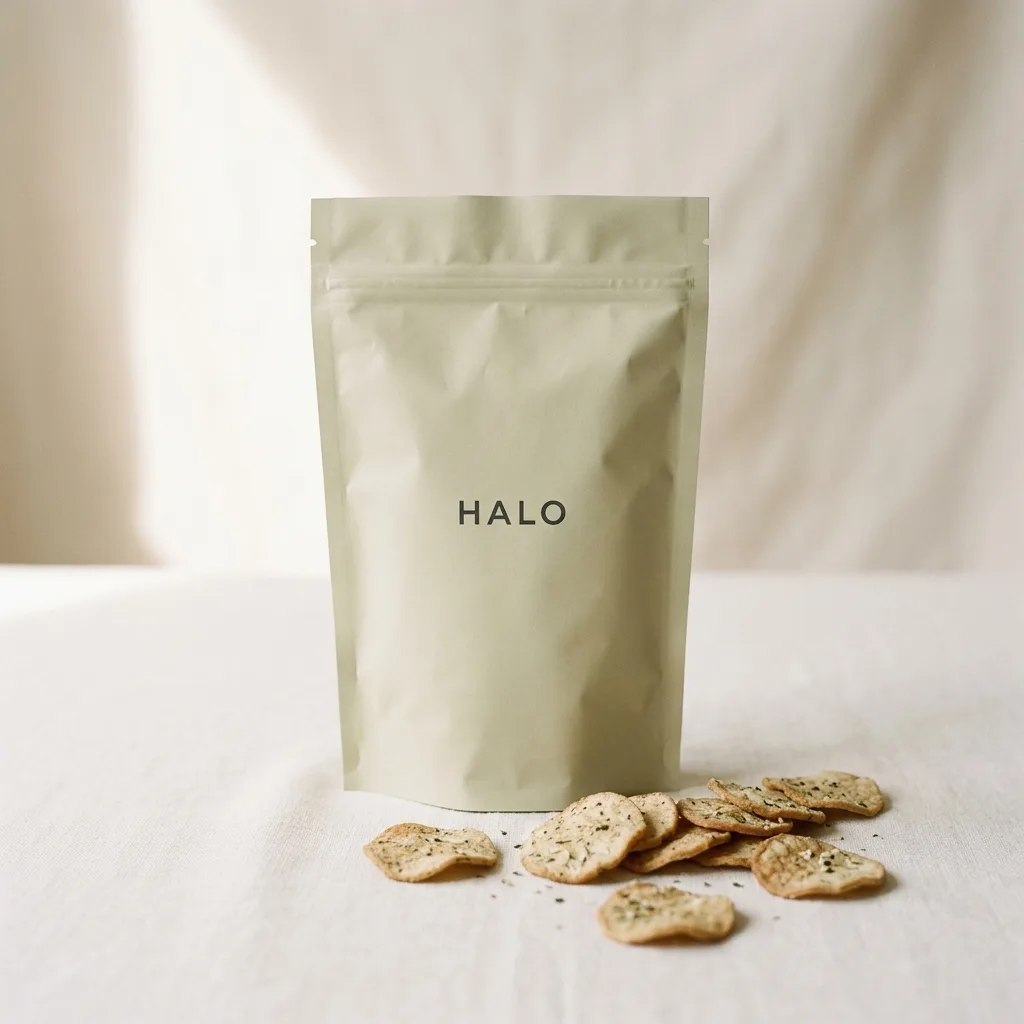
Dawnjar Sample
Sour Cream & Onion Protein Chips
18g protein140 cal
12.9g protein / 100 cal
per serving · 1 bag (32g)
$26.99$3.37 / serving
Preview collection · Sample products · Prices in CAD
Dawnjar · Snack comparison
Dawnjar is in preview. The store isn't open yet, and nothing on this page is a product offer.
Protein chips and protein puffs sit in the same snack aisle job: a savoury, shelf-stable bite with more protein than a typical chip. The difference is mostly texture and how the snack is made. Chips tend to be rolled, baked or fried sheets. Puffs tend to be extruded into a light, airy shape. Neither format is automatically "better". The Nutrition Facts table and ingredient list tell you which bag fits what you want (Health Canada)(Health Canada).
This page is a label-reading comparison so you can shop any brand's chips or puffs fairly while the store is still in preview.
Typical texture — Protein chips: Thin, crisp, chip-like. Protein puffs: Light, airy, extruded.
Protein per serving — Protein chips: Varies; read grams on the table (Health Canada). Protein puffs: Varies; read grams on the table.
Calories — Protein chips: Often moderate to higher if oil-finished. Protein puffs: Often lower per piece, but serving size still matters.
Sodium — Protein chips: Often notable on savoury flavours (Health Canada). Protein puffs: Often notable; check % DV.
Fibre — Protein chips: Sometimes added. Protein puffs: Sometimes added.
Common allergens — Protein chips: Milk, soy, wheat frequent (Health Canada). Protein puffs: Milk, soy, wheat frequent.
Storage — Protein chips: Shelf-stable bag; reseal after opening. Protein puffs: Same.
Best use — Protein chips: Dip, lunchbox, movie-night swap. Protein puffs: Desk snack, lighter crunch.
Use the table as a shopping checklist, not a promise about any one product. Numbers come from each product's own label.
Protein appears in grams per serving on the Nutrition Facts table (Health Canada). Serving size sits at the top of the table and applies to every number below it. If one bag lists a 28 g serving and another lists 40 g, align them before you decide. A quick leveller is protein per 100 g:
protein per 100 g = (grams of protein ÷ serving size in grams) × 100
Front-of-pack claims such as "source of protein", "high in protein" or "excellent source of protein" are regulated in Canada. They depend on a protein rating that accounts for protein quality as well as amount, not grams alone (Health Canada)(CFIA). A bag without a claim can still list useful protein in the table. A bag with a claim has passed a set test. Neither replaces reading the grams.
Chips often carry more oil or denser sheets, so calories per serving can run higher than a puff serving of the same stated weight. Puffs feel lighter because of air, which can make it easy to eat more pieces before you notice the serving size. Count pieces against the serving line, or weigh the portion once so the label matches what you actually eat.
If you care about protein for the calories, divide calories by grams of protein. A lower number means more protein per calorie. That calculation is yours from the label; it is not a claim the package makes.
Canada's Food Guide points people toward protein foods and toward choices with little added sodium where you can (Canada's Food Guide)(Health Canada). Protein chips and puffs are still snacks, and many flavours land with meaningful sodium. Health Canada's % Daily Value guide is simple: 5% DV or less is a little, 15% DV or more is a lot (Health Canada). Compare sodium % DV across the bags you are considering, not just the flavour name on the front.
Most chips and puffs are savoury, so sugars are often low. Sweet heat or dessert-style flavours can differ. Sugars carry a % DV on the table (Health Canada). Some products use non-nutritive sweeteners or sugar alcohols; those appear in the ingredient list, and sugar alcohols (polyols) must also show a gram amount when present (Health Canada)(Health Canada)(CFIA). Added fibres (for texture or bulk) show up as fibre grams and in the ingredient list. Try one serving before you buy a multipack.
Protein chips are often built from a protein-rich base (for example milk proteins, soy crisps, bean or lentil flour, or a blend), rolled or formed, then baked or flash-fried and seasoned. Protein puffs are typically extruded: a dough or mash is forced through a die so it expands into a light shape, then dried and flavoured. Extrusion is why puffs feel airy. The process does not tell you the nutrition by itself. The Nutrition Facts table does.
Ingredients are listed in descending order by weight (Health Canada)(CFIA). Near the top you will usually see the protein source: whey or milk protein, soy protein, pea protein, bean flour, or a mix. Seasonings, oils, salt and flavours follow. If two bags show similar protein grams but different first ingredients, that is a preference and allergen question more than a "which is stronger" question.
Milk, soy, eggs, peanuts, tree nuts, wheat, sesame, mustard, fish, crustaceans and molluscs, and sulphites are among Canada's priority allergens (Health Canada). Chips and puffs commonly use milk or soy proteins and wheat-based seasonings. Priority allergens, gluten sources and added sulphites must be declared in the ingredient list or a Contains statement (CFIA)(CFIA). "May contain" statements are voluntary and flag possible cross-contact. Recipes change; read the pack in your hand every time.
Most chips and puffs are shelf-stable when unopened. Foods with a durable life greater than 90 days are not required to show a best-before date, though many bags still do (CFIA). A best-before date is about quality (freshness, taste, texture), not a hard safety cut-off for an unopened, properly stored product (CFIA). Once opened, air and humidity soften the crunch; reseal the bag or move it to an airtight container and finish it while it still tastes right.
Dawnjar is in preview. When chips or puffs are listed, we plan to show Nutrition Facts and allergen information copied from each product's printed label, with any per-100 g figures marked as calculations. Prices and ratings wait until checkout is live. Until then, use protein chips and protein puffs as the category hubs, and this page as the side-by-side label guide.
These existing sample chip and puff records illustrate Dawnjar's comparison layout only. Their figures and CAD prices are illustrative, and ordering opens at launch.
Dawnjar Sample
18g protein140 cal
12.9g protein / 100 cal
per serving · 1 bag (32g)
$26.99$3.37 / serving
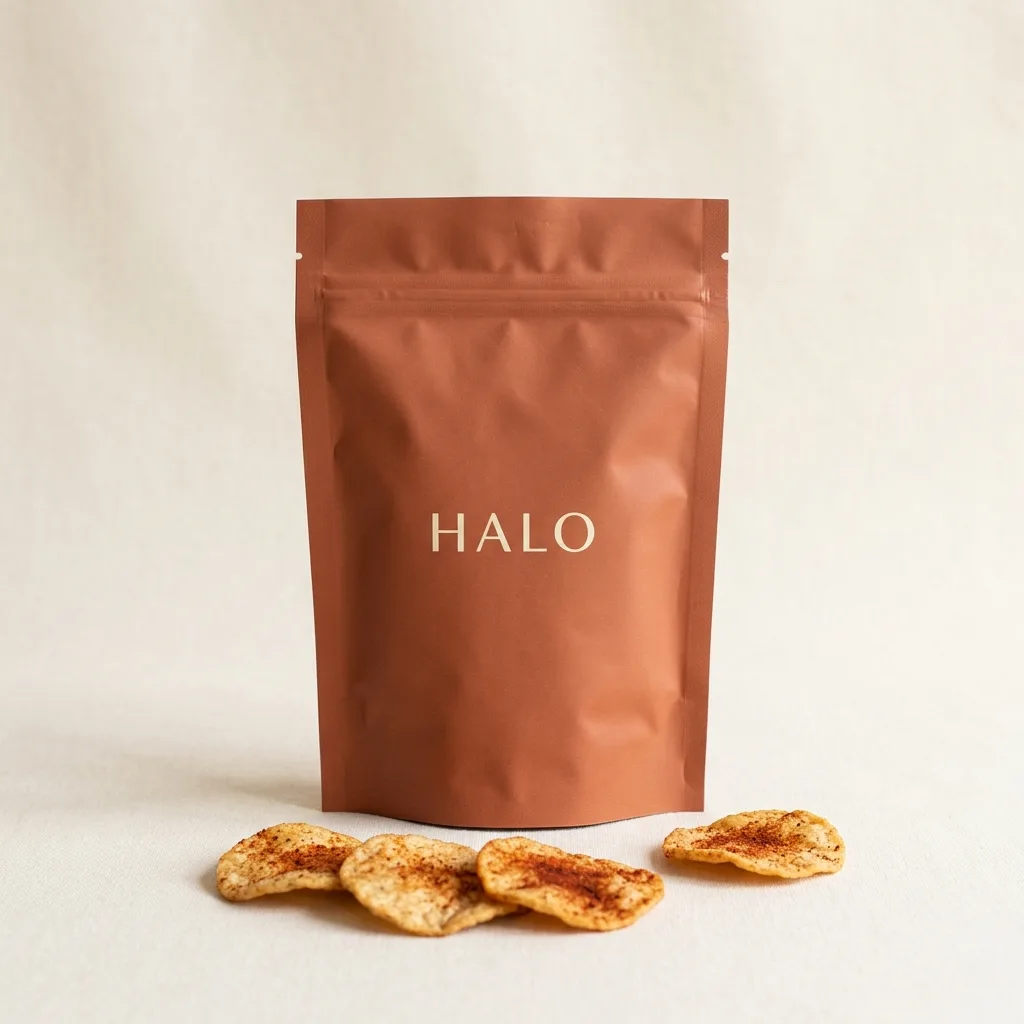
Dawnjar Sample
18g protein150 cal
12.0g protein / 100 cal
per serving · 1 bag (32g)
$26.99$3.37 / serving
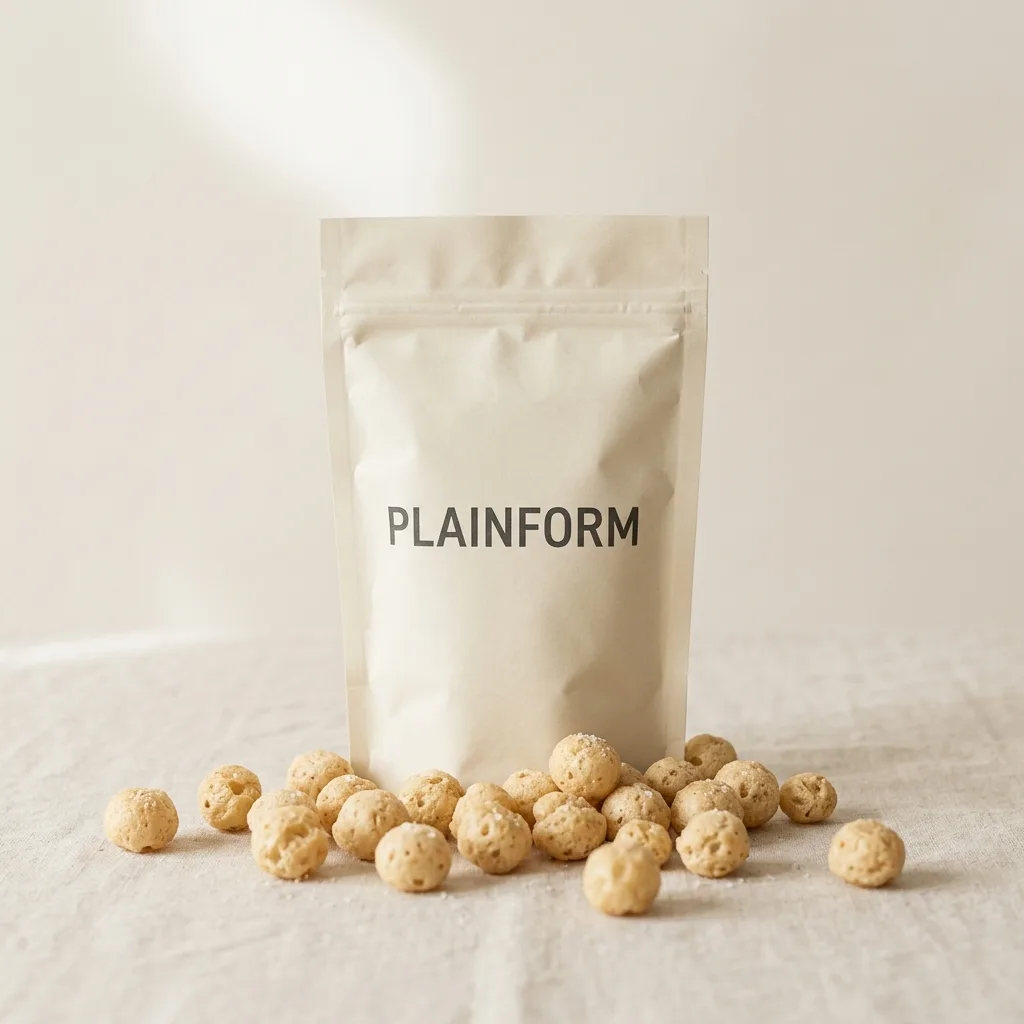
Dawnjar Sample
15g protein120 cal
12.5g protein / 100 cal
per serving · 1 bag (28g)
$21.99$3.66 / serving
Preview collection · sample records with illustrative figures · prices in CAD. Ordering opens at launch.
Both are shelf-stable savoury snacks made to deliver more protein than a typical chip. Chips are usually thinner and crisp like a potato or tortilla chip; puffs are lighter, airier and often extruded. Compare grams of protein, calories, sodium and allergens on each label.
It depends on the product. Protein is listed in grams per serving on the Nutrition Facts table. Convert to protein per 100 g if serving sizes differ, then compare.
Many savoury snacks are. Check sodium milligrams and the % Daily Value on the Nutrition Facts table. 5% DV or less is a little and 15% DV or more is a lot.
Often yes. Milk, soy and wheat appear frequently, and peanuts or tree nuts can show up in flavoured lines. Priority allergens must be declared in the ingredient list or a Contains statement.
Only if that exact claim is printed and the product meets Canadian nutrient content claim rules. The grams in the Nutrition Facts table are what you use to compare any two bags.
No. Classic cheese puffs are a different snack category. A protein puff is formulated to raise protein per serving; always check the Nutrition Facts table and ingredient list for the bag in your hand.
Dawnjar preview pages use sample product records and illustrative nutrition figures. Ordering opens when real inventory and fulfillment are live. Nutrition information is general and informational only, not medical advice.