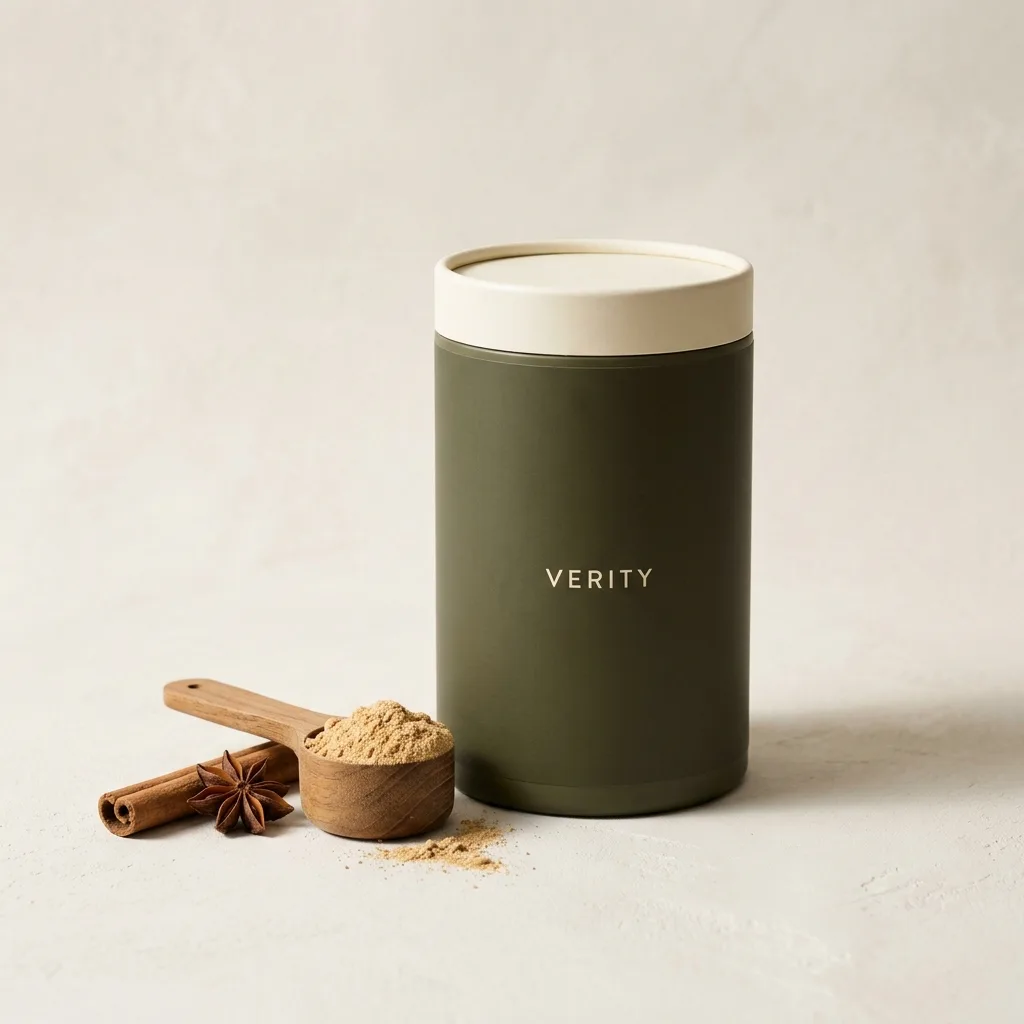
Dawnjar Sample
Plant Protein Blend — Vanilla Chai (1.8 lb)
24g protein130 cal
18.5g protein / 100 cal
per serving · 1 scoop (34g)
$54.99$2.29 / serving
Preview collection · Sample products · Prices in CAD
Dawnjar · High-protein recipes
Edamame works as a pod snack, a shelled salad ingredient or a blended dip. These six methods start with package-led cooking and then change the seasoning, texture and serving format. Cooking quantities and timing are adjustable starting points, not tested formulas or nutrition calculations. Dawnjar is a preview with sample records, illustrative figures and CAD prices; ordering opens at launch.
Edamame means young soybeans harvested while still green. They may be frozen in their pods or sold shelled, and those formats suit different dishes. Pods work for a seasoned snack; shelled beans are more convenient for salads, rice bowls and dips. The tough pod is not the part to eat. Check whether a package contains plain beans, added salt or a prepared sauce before deciding how much seasoning to add.
Boil or steam frozen pods or shelled beans for the package-directed time, usually a few minutes, then drain. For microwaving, use a microwave-suitable dish or the package if explicitly directed. Add the instructed water, cover as directed and stir or redistribute during cooking where specified. Allow the directed standing time and handle steam carefully. Microwave power and quantity affect the result, so a warm edge is not enough to judge the whole dish. Drain and cool beans appropriately before adding them to a chilled salad.
Ingredients: Cooked edamame in pods, oil, minced garlic, chili flakes, lemon and optional soy sauce.
Ingredients: Shelled edamame, oil, paprika, garlic powder and salt.
Ingredients: Cooked shelled edamame, cooked corn, cucumber, red pepper, lime, oil and parsley.
Ingredients: Cooked shelled edamame, tahini, lemon, garlic, water and oil.
Ingredients: Cooked noodles, cooked shelled edamame, shredded carrot, sesame oil, rice vinegar and soy sauce.
Ingredients: Cooked rice, cooked shelled edamame, cucumber, carrots, avocado and a checked sauce.
Dry beans roast better than beans carrying cooking water. Spread them apart rather than piling them in the centre of the tray. Paprika can darken before a bean becomes crisp, so assess texture as well as colour. A dip needs the opposite approach: add liquid in small increments until the blades can circulate the mixture, then stop before it becomes a thin sauce.
Keep frozen bags under their labelled storage conditions. After cooking, refrigerate prepared beans promptly following food-handling guidance; this page does not promise a universal keeping period. Store dressing separately where it would soften a crisp component. Label containers with the preparation date and whether they contain sauce, since similar-looking beans can have different ingredients.
Protein depends on the ingredients and the amount in each finished portion. Scale package protein entries to ingredient amounts, add them and divide by the finished yield. Rounding makes this an estimate, not a measured recipe total.
Health Canada says serving size "isn’t a recommendation of how much to eat". Use labelled portions for calculations and include sauces and toppings separately.
Soy is central to edamame. Sesame may appear in tahini or sesame oil; wheat may appear in soy sauce or noodles. Health Canada’s common allergen guidance is relevant to each of those packages, not just the bag of beans.
Priority allergens must be identified by common name on pre-packaged food labels. Read ingredients, Contains statements and precautionary wording on every package. Recheck substitutions; this guide does not determine personal suitability.
Portion — Read the Nutrition Facts table at its stated serving and preparation state.
%DV — % DV: 5% DV or less is a little, 15% DV or more is a lot. Apply this to listed nutrients, not to recipe texture.
Ingredients — Check the main ingredient, sauces, broth and toppings separately.
Preparation — Retain cooking and storage instructions; changing a format changes the method.
CAD cost — Count the usable ingredient amounts, keeping recipe cost separate from illustrative sample prices.
“edamame recipe” receives about 2,900 searches a month in Canada, per Semrush data pulled October 2026.
“edamame recipes” receives about 1,300 searches a month in Canada, per Semrush data pulled October 2026.
“edamame beans recipe” receives about 1,000 searches a month in Canada, per Semrush data pulled October 2026.
The plant-blend powder sample is a separate label-format reference, not edamame or a prepared bowl. The existing records have illustrative figures and CAD prices, not measured recipe totals or verified labels for these ingredients. Dawnjar is a preview; ordering opens at launch.
Dawnjar Sample
24g protein130 cal
18.5g protein / 100 cal
per serving · 1 scoop (34g)
$54.99$2.29 / serving
Preview collection · sample records with illustrative figures · prices in CAD. Ordering opens at launch.
Choose your preparation, then check usable quantities, ingredients and cooking instructions. A recipe title cannot verify missing label information. Related guides cover separate methods, not prepared-food inventory.
Boil, steam or microwave according to the package directions, usually for a few minutes. Pod and shelled formats can differ. Drain well before seasoning.
No; eat the beans and discard the tough pod. Serve a separate bowl for the shells. Shelled edamame is convenient for salads and dips.
Cook as directed, dry shelled beans, lightly oil and roast while checking frequently. Spread them apart for better browning. Serve promptly because enclosed storage softens the surface.
Edamame is young soybeans harvested while green. It differs in preparation from dried mature soybeans. Read the format and cooking directions on the package.
Try corn, noodles, rice, cucumber, citrus, herbs or a checked sesame dressing. Choose pods for a snack and shelled beans for mixed dishes. Read every sauce and topping label.
Not yet; Dawnjar is a preview, and ordering opens at launch. Sample records have illustrative figures and CAD prices. The separate plant powder is not edamame inventory.
Dawnjar preview pages use sample product records and illustrative nutrition figures. Ordering opens when real inventory and fulfillment are live. Nutrition information is general and informational only, not medical advice.