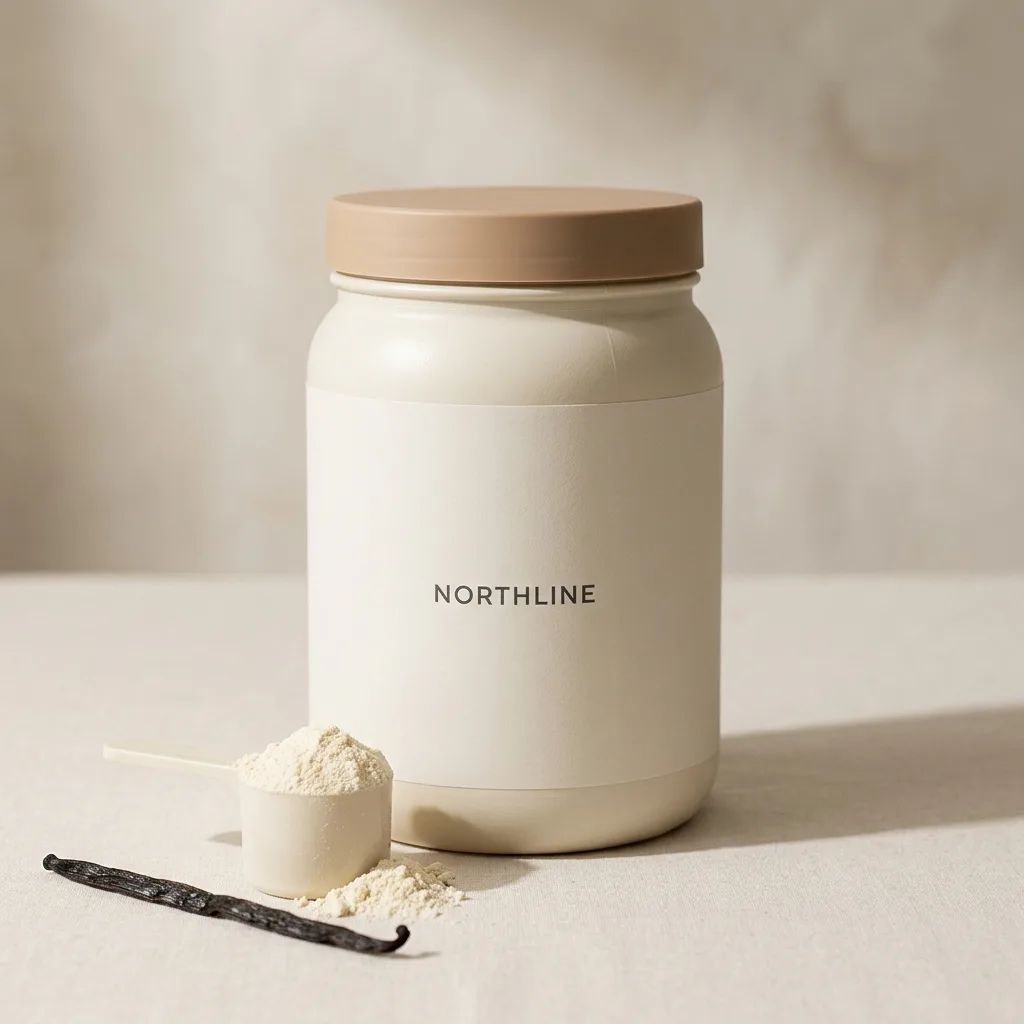
Dawnjar Sample
Whey Isolate — Vanilla Bean (2 lb)
25g protein110 cal
22.7g protein / 100 cal
per serving · 1 scoop (30g)
$59.99$2.00 / serving
Preview collection · Sample products · Prices in CAD
Dawnjar · Protein powders
Almond protein powder is an almond-derived ingredient, not another name for almond flour or a carton of almond beverage. This guide looks at processing wording, protein entries, mixing texture and the cost of a declared portion. Dawnjar is a preview: its products are sample records with illustrative figures and prices in CAD, and ordering opens at launch. The existing powder references below are not almond protein powder samples.
Almond protein powder is commonly made from almonds after much of their oil has been pressed out, leaving material that is milled into powder. The exact process and remaining ingredients depend on the package. Look for wording that identifies almonds and describes pressing or fat removal, rather than assuming every almond-labelled powder has the same composition.
A pressed powder can behave differently from finely ground whole almonds because its fat content and particle texture differ. That processing description does not supply a universal protein figure. Use the actual Nutrition Facts table for the finished product, including its stated powder weight. A blend with almond flavour is a different question from a powder whose protein ingredient is almond.
The phrase “almond protein” receives about 320 searches a month in Canada, per Semrush data pulled October 2026. A search result may discuss almond foods, a recipe or a powder; identify the format before using its information.
Almond flour is ground almonds used as a flour-like baking ingredient; check whether the package describes blanched or unblanched almonds. Almond protein powder usually refers to a pressed ingredient or a formulated powder. Almond beverage is a prepared liquid with its own water content and possible additions. These names describe distinct formats, so a spoonful, scoop and glass are not interchangeable portions.
Compare protein per serving alongside the grams or millilitres named in each Nutrition Facts table. Health Canada says serving size “isn’t a recommendation of how much to eat”. When a beverage is added to powder, it becomes part of a combined preparation; its entries should not be treated as the powder’s own figures. Keep a baking ingredient’s dry weight separate from the finished cake or biscuit.
Put the full ingredient lists next to one another before choosing by source. An almond-based blend may also contain pea or another powder, while a hemp product can retain a noticeable seed texture. Soy powders have their own processing names, including isolate and concentrate. Those distinctions help frame questions about composition; they do not rank every formula or establish a shared scoop weight.
Record the declared serving mass, protein entry and preparation directions for each package. If you compare on an equal-weight basis, scale all entries consistently and identify that basis. If you compare labelled servings, retain their different weights. Then look at fibre, sugars and any named texture ingredients separately.
Expect the powder’s almond character to contribute to a drink, though pressing, milling and flavour additions change the result. Begin with the package’s mixing directions. Add liquid gradually if the mixture is thicker than you want, and allow it to disperse before judging grittiness. A blender may distribute particles differently from a spoon or shaker; compare the same preparation method when assessing texture.
In baking, treat almond powder as an ingredient adjustment rather than a direct replacement for all the flour. It changes the balance of dry material, fat and moisture. Follow a recipe written for that format where possible, and try a small batch before changing a larger recipe. No recipe nutrition totals or tested replacement ratios are established here.
Almonds are tree nuts, a priority allergen in Canada. Health Canada explains that priority allergens must be identified by common name on pre-packaged food labels. Read the almond declaration, the complete ingredients and any Contains or may-contain statement on the exact package. A plant-protein heading does not replace that reading, and a different flavour may have different additions.
Check the liquids and baking ingredients as well as the powder. Milk, soy or eggs may enter through another component even when almonds are the main powder source. This guide describes declarations only; it does not assess a product’s suitability for an individual or turn absent wording into an assurance.
CFIA states that only products with organic content of 95% or more may be labelled “organic” or bear the organic logo. Read the finished package’s claim rather than extending an ingredient description to the entire formula.
When comparing an organic-labelled powder with another almond product, keep the claim question separate from portion and cost calculations. Check the full list for additional ingredients and the package for its own organic statement. Dawnjar does not verify organic status for the comparison samples shown here.
Divide the CAD package price by its declared serving count to obtain a labelled portion cost. If only net weight and serving weight are provided, use them to establish how many portions the package represents. Keep that method visible when comparing it with a different serving size.
For a combined recipe, account for the liquid and other additions separately instead of presenting the tub’s portion cost as the whole drink’s cost. An equal-protein comparison also needs the exact protein entry from each label. Missing serving information should remain unresolved; do not borrow another almond powder’s numbers or infer them from a front-panel picture.
Source — Identify almonds, pressing wording and any other proteins in the finished ingredient list.
Portion — Match the protein entry with the serving weight, not an assumed scoop size.
Declarations — Read named tree nuts and every other declared allergen, including precautionary wording.
Claim and cost — Keep organic wording separate from CAD price per labelled portion.
The shelf contains existing flavoured whey and plant-blend records, not an almond powder listing. They illustrate how serving fields and comparison metrics are presented. Their ingredients, illustrative figures and CAD prices cannot be transferred to an almond product. No almond format or organic status is introduced by this guide.
Dawnjar Sample
25g protein110 cal
22.7g protein / 100 cal
per serving · 1 scoop (30g)
$59.99$2.00 / serving
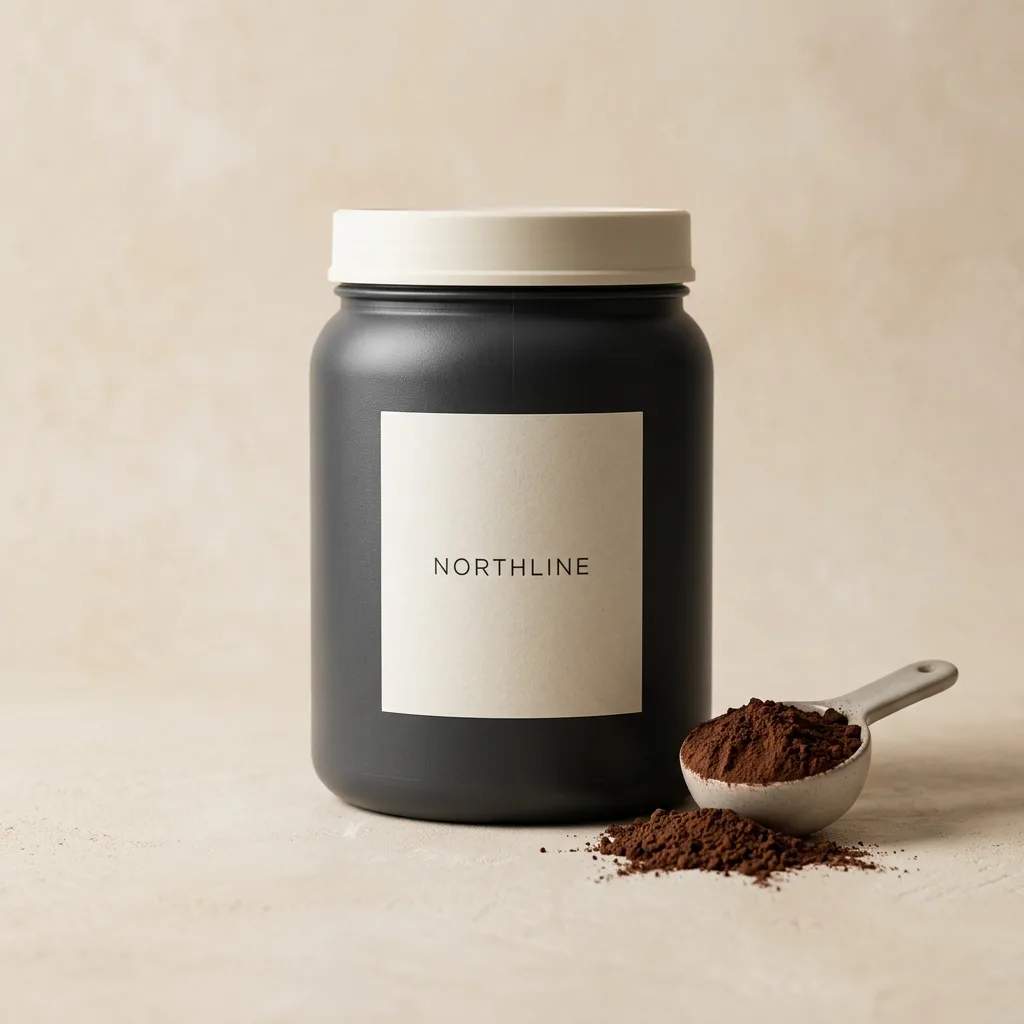
Dawnjar Sample
25g protein115 cal
21.7g protein / 100 cal
per serving · 1 scoop (30g)
$59.99$2.00 / serving
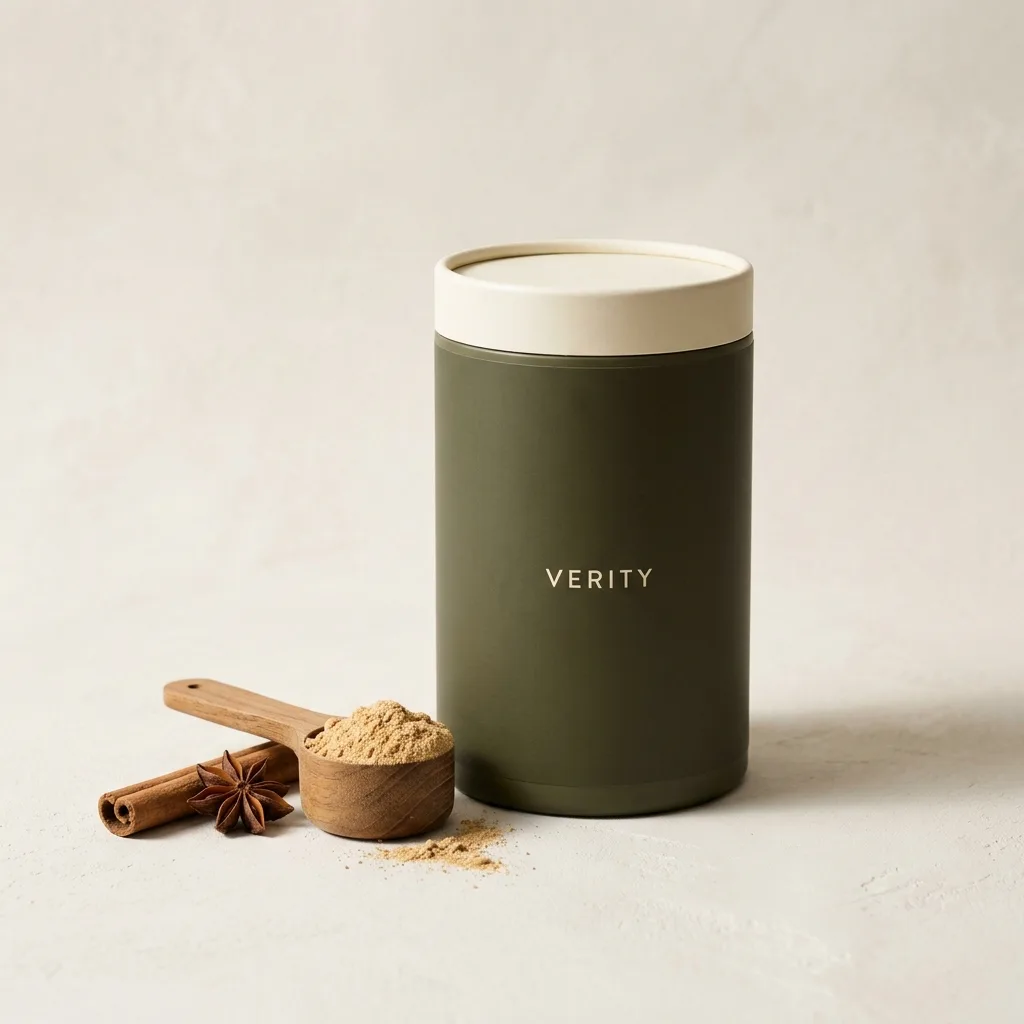
Dawnjar Sample
24g protein130 cal
18.5g protein / 100 cal
per serving · 1 scoop (34g)
$54.99$2.29 / serving
Preview collection · sample records with illustrative figures · prices in CAD. Ordering opens at launch.
Choose the intended job first: a drink ingredient, a baking addition or a source comparison. Ask for the full package label if a listing shows only the front. Confirm the dry portion, declared allergens, preparation method and package size before calculating value. Keep your questions attached to the exact formula and flavour rather than a generic almond description.
It is usually milled almond material remaining after much of the oil is pressed out. Check whether the ingredient list describes almonds alone or a formulated blend. Use the finished package for serving figures.
No; almond flour and pressed almond protein powder are different ingredients. Flour is ground almonds, while pressing changes the powder’s composition and baking behaviour. Inspect the package instead of assuming a direct substitution.
Compare protein per serving and ingredients on each label. Keep the stated powder weights alongside the protein entries, then compare preparation directions and texture preferences.
Yes, almonds are tree nuts, a priority allergen in Canada. Read the named almond declaration and the rest of the package’s allergen wording. This answer describes the source, not individual suitability.
Yes, where the recipe and powder directions allow it. Start with a small batch because dry ingredients, moisture and flavour can change. Do not assume it replaces all the flour unchanged.
Not currently; Dawnjar is a preview and ordering opens at launch. The shelf uses other existing powder sample records with illustrative figures and CAD prices. It does not show an almond powder product.
Dawnjar preview pages use sample product records and illustrative nutrition figures. Ordering opens when real inventory and fulfillment are live. Nutrition information is general and informational only, not medical advice.