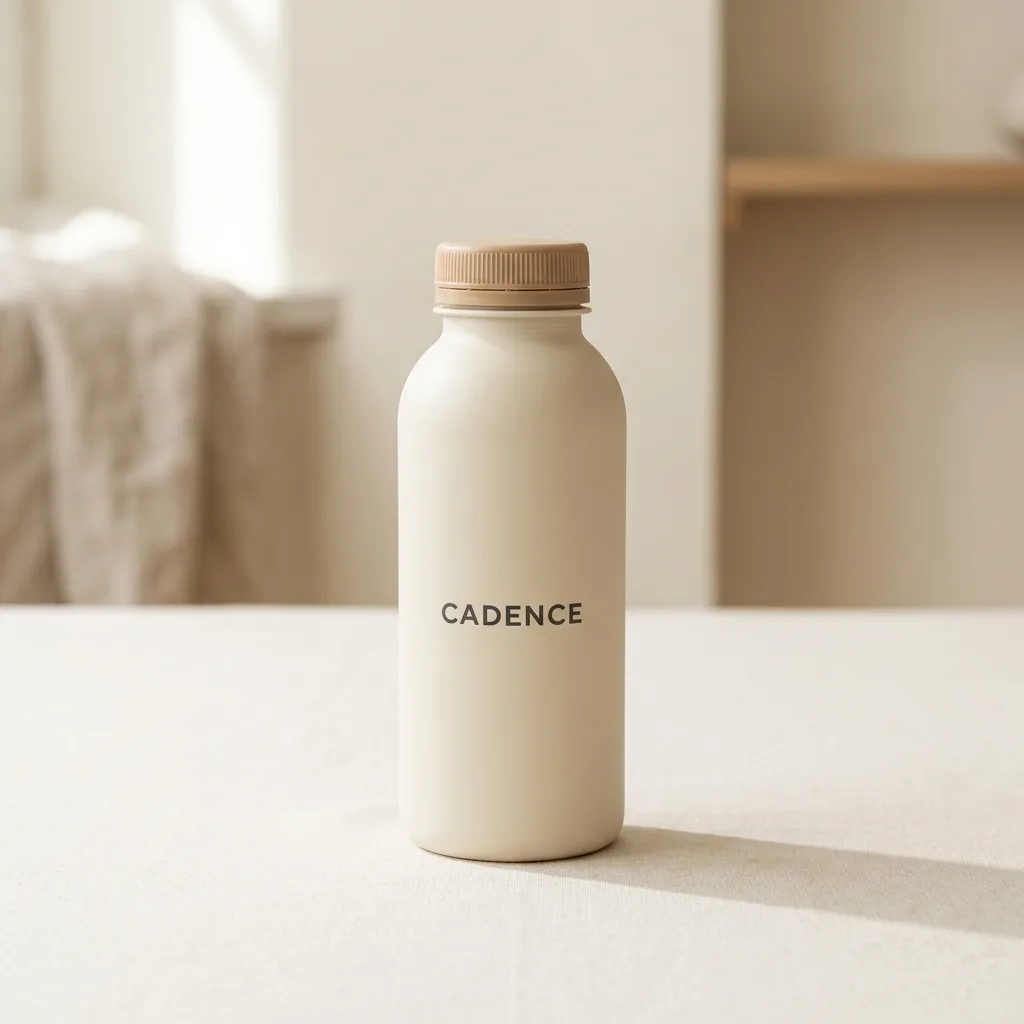
Dawnjar Sample
Ready-to-Drink Protein Shake — Vanilla
30g protein160 cal
18.8g protein / 100 cal
per serving · 1 bottle (330ml)
$49.99$4.17 / serving
Preview collection · Sample products · Prices in CAD
Dawnjar · Protein basics
A protein shake is a drink made with a protein-containing base, such as milk, yogurt or a named protein powder. It may be mixed at home or packaged ready to drink. The term describes a food format, not a fixed recipe, texture or protein amount. This guide explains the ingredients and label vocabulary before you choose a mixing method. Dawnjar is a preview: its sample records have illustrative figures and CAD prices, and ordering opens at launch.
“what is a protein shake” receives about 1,600 searches a month in Canada, per Semrush data pulled October 2026.
A shake usually combines a liquid with ingredients that disperse when shaken, stirred or blended. A bottle may contain milk proteins, plant proteins, flavouring and texture ingredients. A homemade drink might be milk and yogurt blended together, or powder mixed into water. Neither the word shake nor a creamy photograph tells you the amount of protein. That comes from the exact ingredients and the portion measured.
Milk can be the liquid base, while whey and casein can appear as named milk-derived protein ingredients. Yogurt contributes its own recipe and texture. A front label saying whey does not identify all additions: oils, sweeteners, flavouring and other protein sources can appear in the same product. Read the entire list rather than assigning the drink the characteristics of its headline ingredient.
Soy and pea are plant-source names that may appear alone or in blends. Egg-derived ingredients can also occur in powders. Source names help identify what is being used, but do not establish the protein amount of a finished serving or any dietary designation. When changing sources in a homemade drink, begin with the new package directions; its texture and required liquid may differ from the powder you used before.
Powder gives you control over the liquid and preparation, but requires measurement and mixing. A ready-to-drink bottle arrives already formulated, with its own serving volume and storage directions. Neither format automatically has a larger protein amount. Compare the declared portion first, then decide whether measuring powder or opening a premixed drink fits the occasion you have in mind.
Read calories, protein, fat, sugars, fibre and sodium as separate entries on the same portion basis. A sweet flavour name does not measure sugars. A thick drink does not measure protein. Check whether the table includes the prepared liquid or only the dry powder, and retain the ingredient list alongside the table when comparing recipes.
Front-panel nutrient wording has conditions in the permitted claims table. Read the exact phrase rather than treating a casual description as a regulated claim. This guide does not assign a nutrient designation to any shake. If reverse-panel information is missing from a listing, resolve that question before comparing it with a fully documented package.
Milk, soy and eggs may occur in the protein base, and peanut or tree nut ingredients may be added for flavour. Check every component of a homemade drink, including the liquid and toppings. Read ingredient, Contains and precautionary wording on the actual package. A plant-source headline does not describe every ingredient or establish an allergen status.
A smoothie usually describes a blended preparation with fruit, vegetables or other food ingredients, while a shake can be a simpler liquid-and-protein mixture. The names overlap in everyday recipes. Banana and yogurt blended with powder can reasonably be described either way; choose the word that explains your actual ingredients rather than treating it as a nutrition category.
Try a simple preparation before adding several extras. Measure the liquid, use the ingredient directions and blend or shake as appropriate. Then change one element at a time, such as fruit or thickness, so you can identify what changed. For label-based calculations, sum the measured ingredients and divide by the actual portions; do not borrow a packaged drink’s figures for a homemade smoothie.
Decide whether you want a premixed drink, a powder to mix with water or ingredients for a blended recipe. Check the source names, portion basis, complete declarations and storage instructions. Compare CAD cost per declared serving while keeping added ingredients separate. A large bottle and a large tub are different package formats, not evidence of better value.
Serving basis — Keep the declared weight or volume beside each figure. Health Canada says serving size "isn't a recommendation of how much to eat". The table lists calories plus 12 nutrients per serving.
%DV — % DV: 5% DV or less is a little, 15% DV or more is a lot. Use this reading aid for entries with a daily value; it does not describe recipe texture or taste.
Complete declarations — Priority food allergens must be identified by common name on pre-packaged food labels. Read the full ingredient list, Contains statement and precautionary wording; a food name or substitution does not establish suitability.
Claims and actual portions — Check the permitted nutrient content statements and claims for the exact wording used. Keep recipe additions and actual yield separate from the package-only table; do not infer a claim from an ingredient name.
These existing sample records illustrate Dawnjar’s comparison layout only. They are separate references, not the food or homemade preparation discussed above, and do not establish its nutrition, ingredients or storage instructions. Their figures and CAD prices are illustrative. No new product format is introduced by this shelf, and ordering opens at launch.
Dawnjar Sample
30g protein160 cal
18.8g protein / 100 cal
per serving · 1 bottle (330ml)
$49.99$4.17 / serving
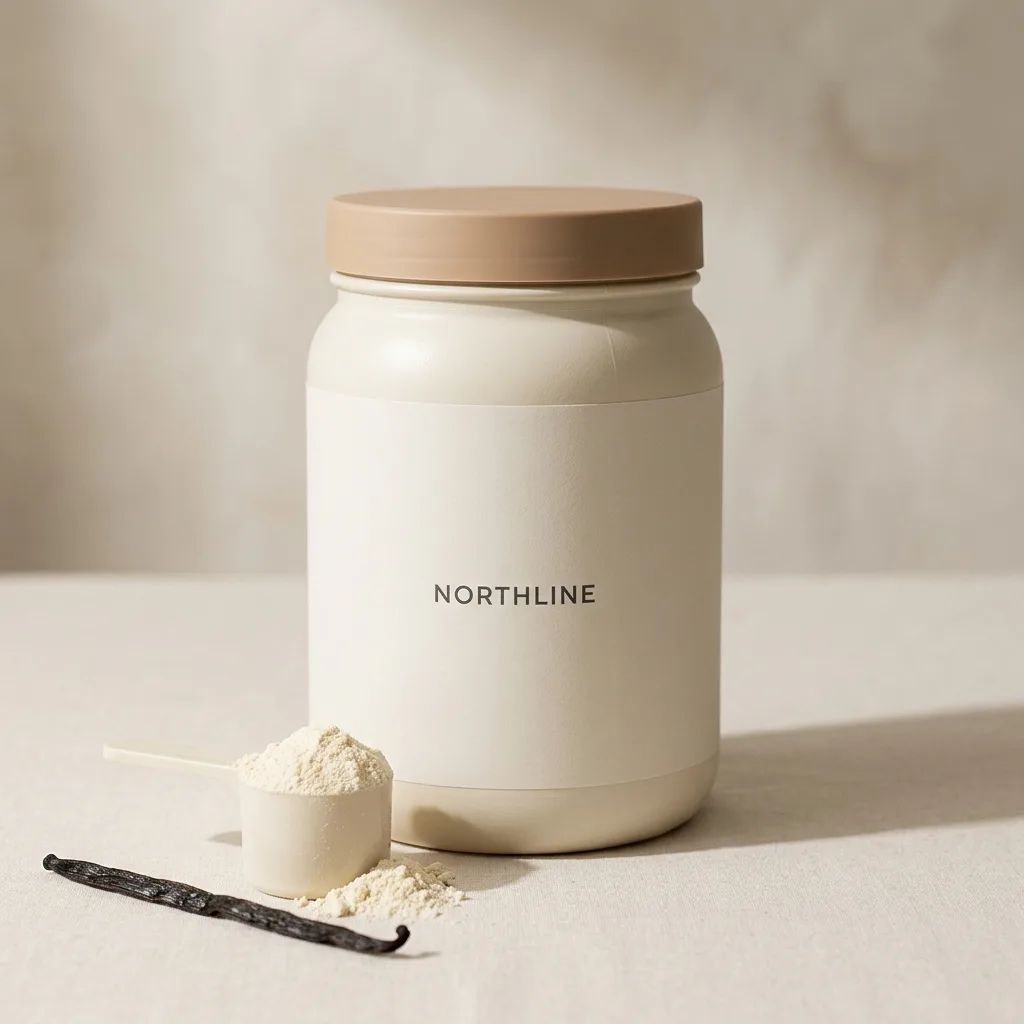
Dawnjar Sample
25g protein110 cal
22.7g protein / 100 cal
per serving · 1 scoop (30g)
$59.99$2.00 / serving
Preview collection · sample records with illustrative figures · prices in CAD. Ordering opens at launch.
A protein shake is a drink made with protein-containing ingredients. It can be mixed at home or packaged ready to drink. The name does not establish a fixed recipe or protein amount.
Common ingredients include a liquid base, milk or plant proteins, and optional flavouring. Homemade versions can include yogurt or fruit. Read the full list for the exact preparation.
Not always; smoothies usually include blended foods such as fruit, while shakes can be simpler mixtures. The terms overlap in recipes. Ingredients and measured portions matter more than the name.
No; milk, yogurt or other protein-containing foods can form a blended drink without powder. Follow the ingredient directions. Their separate labels determine the finished preparation’s figures.
Check for milk, soy, eggs, peanuts and tree nuts in every ingredient. Read the complete declarations and precautionary wording. A source name does not establish suitability.
Not yet; Dawnjar is a preview and ordering opens at launch. The bottle and powder records have illustrative figures and CAD prices. They are not current inventory.
Dawnjar preview pages use sample product records and illustrative nutrition figures. Ordering opens when real inventory and fulfillment are live. Nutrition information is general and informational only, not medical advice.