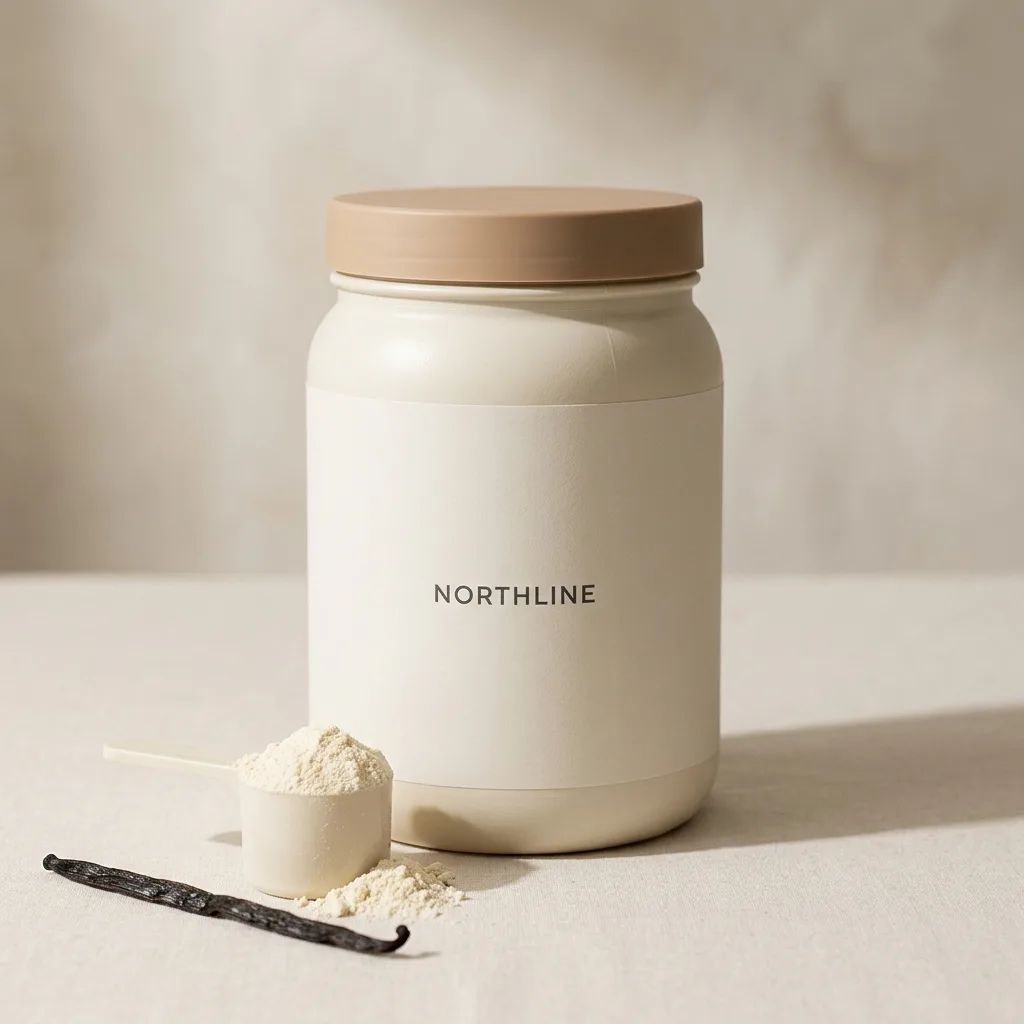
Dawnjar Sample
Whey Isolate — Vanilla Bean (2 lb)
25g protein110 cal
22.7g protein / 100 cal
per serving · 1 scoop (30g)
$59.99$2.00 / serving
Preview collection · Sample products · Prices in CAD
Dawnjar · Protein powders
Hydrolyzed whey describes a processing step, while isolate and concentrate describe other aspects of a whey ingredient. A package can name both hydrolysis and isolate without contradicting itself. This buying guide keeps those words separate from flavour, portion size and CAD cost. Dawnjar is a preview: the shelf contains existing sample records with illustrative figures, not dedicated hydrolyzed products, and ordering opens at launch.
Hydrolysis partly breaks protein chains into smaller fragments during manufacturing. In this context, hydrolyzed whey is whey subjected to that processing step. The description identifies what happened to the ingredient; it does not tell you the scoop weight, flavour, finished protein entry or proportion of other ingredients. Read the complete name in the ingredient list, where hydrolyzed whey protein isolate and other whey wording can appear together.
"Hydrolyzed whey protein" receives about 320 searches a month in Canada, per Semrush data pulled October 2026. "Hydrolyzed whey protein isolate" receives about 170 searches a month in Canada, per Semrush data pulled October 2026. Those phrases help explain why people compare hydrolyzed whey vs isolate, but a search count cannot establish a product specification or a reason to choose one powder.
Avoid reading every front-panel adjective as a separate source. Whey identifies the milk-derived family; isolate, concentrate and hydrolyzed add different processing information. A flavoured formula can also include several protein ingredients. If proportions are absent, leave them undisclosed instead of calculating a blend ratio from the order of words on the package.
These terms do not form a simple ladder. Isolate can be hydrolyzed, so a package may legitimately contain both descriptions. Concentrate and isolate describe separation of the whey fraction, while hydrolyzed identifies partial breakdown of protein chains. Your comparison should begin with the finished serving figures rather than a presumed result from the longest ingredient name. Keep the exact wording in your notes so you can distinguish source, processing and flavour.
Concentrate — The name identifies a whey ingredient filtered less than isolate; use the finished table for its actual composition.
Isolate — The name describes further separation of the protein fraction, not every ingredient in a flavoured scoop.
Hydrolyzed — The name describes partial breakdown during processing and can accompany isolate wording.
Blends — Several forms can appear in one recipe; the ingredient list may not disclose their proportions.
Hydrolyzed whey is often described as more bitter, but a finished powder includes a flavour system designed around its ingredients. Cocoa, vanilla notes and sweeteners can change the impression. Treat bitterness as a question to explore, not a promised tasting result. A front-panel flavour does not supply a sweetness scale, and the ingredient name cannot establish whether you will prefer the drink.
Follow the package mixing directions before changing several variables. Liquid choice, temperature, powder amount and shaking or blending method can affect the texture you observe. Keep those conditions consistent if you are comparing powders. For a flavour you have not tried, a smaller package can reduce the amount committed to that experiment. It does not establish a universal taste ranking or a verified result for Dawnjar's comparison samples.
Health Canada describes the Nutrition Facts table as listing calories plus 12 nutrients per serving. Serving size "isn't a recommendation of how much to eat". Keep the declared portion as your reference when comparing powders rather than interpreting it as an instruction. Check the panel actually present on the package; ingredient processing words do not replace its product-specific information.
Protein per serving and serving grams — Read both entries together; larger scoops do not make different powder portions equal.
%DV — % DV: 5% DV or less is a little, 15% DV or more is a lot. Use the rule for nutrient entries carrying a %DV, not as a processing score.
Sugars and sweeteners — Distinguish the sugars entry from the sweeteners named in the formula; neither predicts bitterness by itself.
Milk declaration — Milk is a priority allergen and must be identified by common name on pre-packaged food labels. Review any other declared allergens and may-contain wording.
Lactose wording — Hydrolyzed whey comes from milk. Read the exact lactose statement, and ask a health professional about intolerance rather than assigning a conclusion from hydrolysis.
CAD price per gram of protein — Use package price, declared serving count and protein in that same serving, keeping every input with its original package.
Additional processing can be reflected in a higher package price, although a processing name alone cannot establish the difference between particular tubs. Start with the actual CAD cost and number of declared servings. Divide package price by servings for price per serving, then divide that result by protein grams for cost per gram of protein. This is a mathematical comparison, not a statement about a powder's performance or why anyone should choose it.
To express the same calculation as price per 25 g of protein, multiply cost per gram by twenty-five. That shared unit is not a scoop size or suggested amount to consume. Retain the original package cost in your notes, because a normalised figure can hide a larger purchase. Check whether a sale is temporary and whether different package sizes use the same formula before deciding that a price comparison is meaningful.
Vanilla whey isolate, chocolate whey isolate and a vanilla chai plant blend appear here as separate label-format references. None is presented as a hydrolyzed whey SKU, a controlled taste comparison or a verified lactose statement for another powder. Their illustrative figures and CAD prices belong to those sample records only. The plant sample offers a different source reference; it does not become milk-derived through appearing beside whey examples.
Dawnjar Sample
25g protein110 cal
22.7g protein / 100 cal
per serving · 1 scoop (30g)
$59.99$2.00 / serving
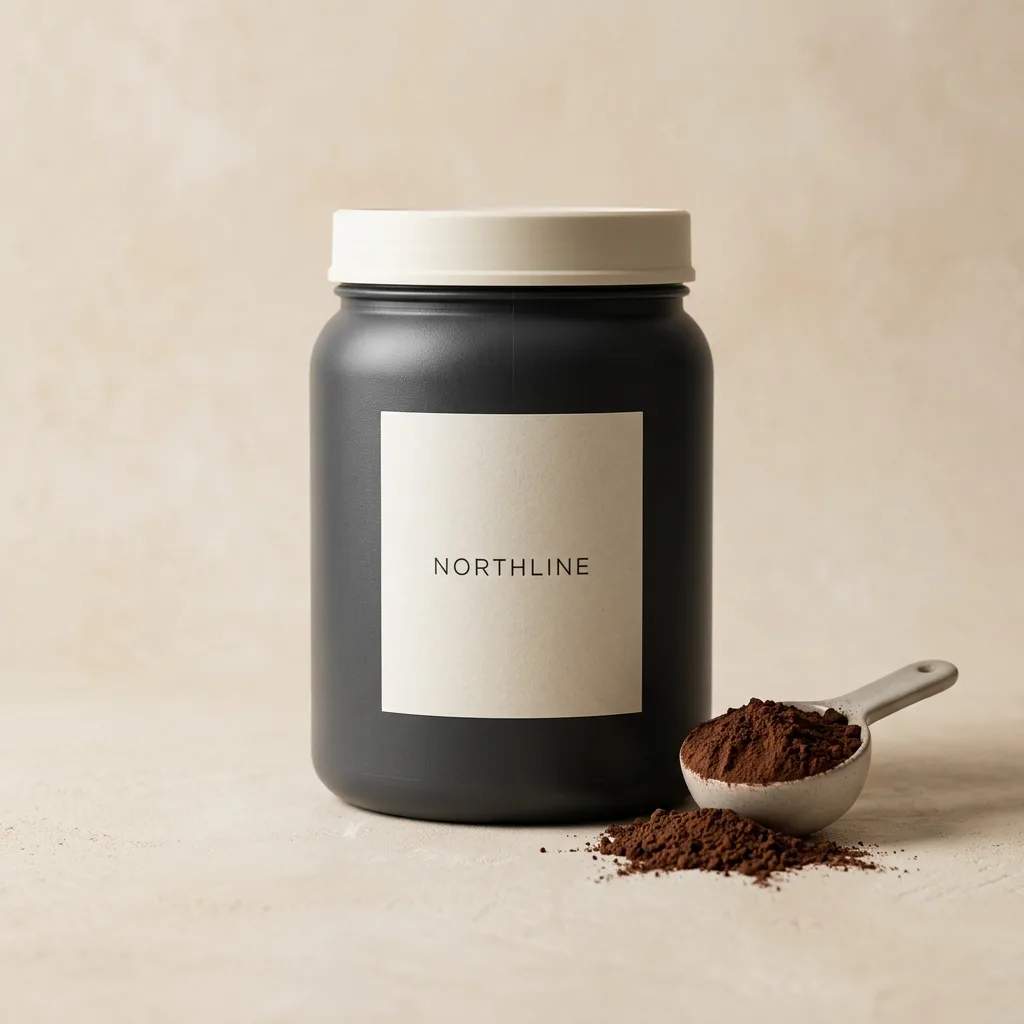
Dawnjar Sample
25g protein115 cal
21.7g protein / 100 cal
per serving · 1 scoop (30g)
$59.99$2.00 / serving
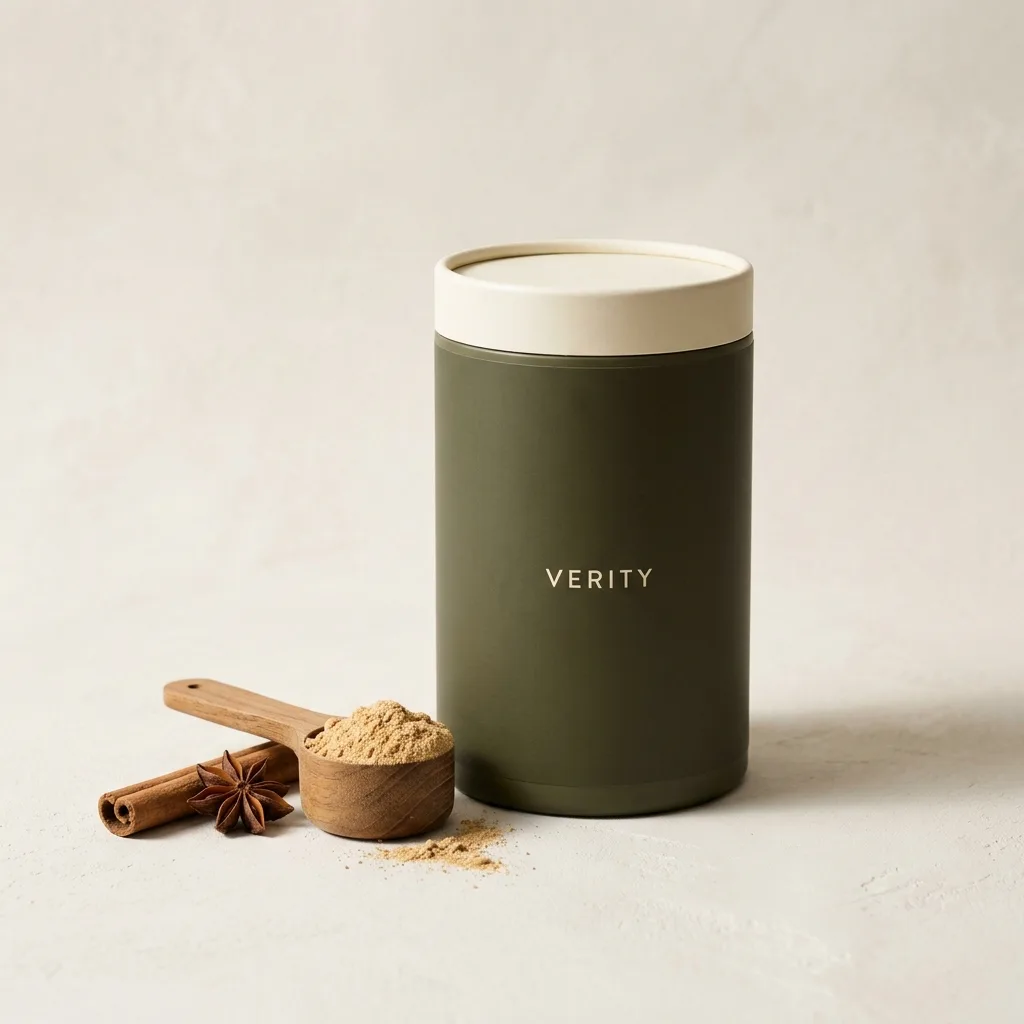
Dawnjar Sample
24g protein130 cal
18.5g protein / 100 cal
per serving · 1 scoop (34g)
$54.99$2.29 / serving
Preview collection · sample records with illustrative figures · prices in CAD. Ordering opens at launch.
Before purchasing elsewhere, identify the full protein ingredient wording and the particular flavour you are considering. Record the serving grams, protein line, sweeteners, milk declaration and any lactose wording without transferring details from another flavour. Mark an absent statement as unknown. Compare the package cost separately from cost per serving and cost per gram so each number answers a clearly named question.
Then review preparation directions and the seller's stated return conditions, especially if the flavour is unfamiliar. A longer processing description does not settle personal taste, and a higher price is not evidence of a better label. Dawnjar's preview helps organise those checks; current comparison samples do not verify another package, announce future assortment or make ordering available before launch.
It is milk-derived whey whose protein chains are partly broken down during manufacturing. Hydrolyzed describes that processing step rather than a new source. Read the finished serving and ingredient list for the particular powder.
Not automatically; hydrolysis is a different processing step. An isolate can also be hydrolyzed, so the names are not mutually exclusive. Compare finished label figures, flavour preferences and CAD cost without treating processing as a score.
Not unless the label says so; hydrolyzed whey is milk-derived. Milk is a priority allergen in Canada, regardless of the processing description. Read the product's lactose wording and ask a health professional about intolerance.
Hydrolyzed describes partial protein breakdown; isolate describes separation of the whey protein fraction. A powder can contain hydrolyzed whey isolate and therefore use both terms. Neither term supplies the complete finished-serving composition.
Extra processing can contribute to a higher price, but the actual difference depends on the package. Compare CAD cost per serving and per gram of protein using the same label inputs. Do not assume every hydrolyzed powder costs more than every isolate.
No; ordering opens at launch and Dawnjar is currently a preview. This shelf contains other powder sample records, not a dedicated hydrolyzed whey product. Figures and CAD prices are illustrative.
Dawnjar preview pages use sample product records and illustrative nutrition figures. Ordering opens when real inventory and fulfillment are live. Nutrition information is general and informational only, not medical advice.