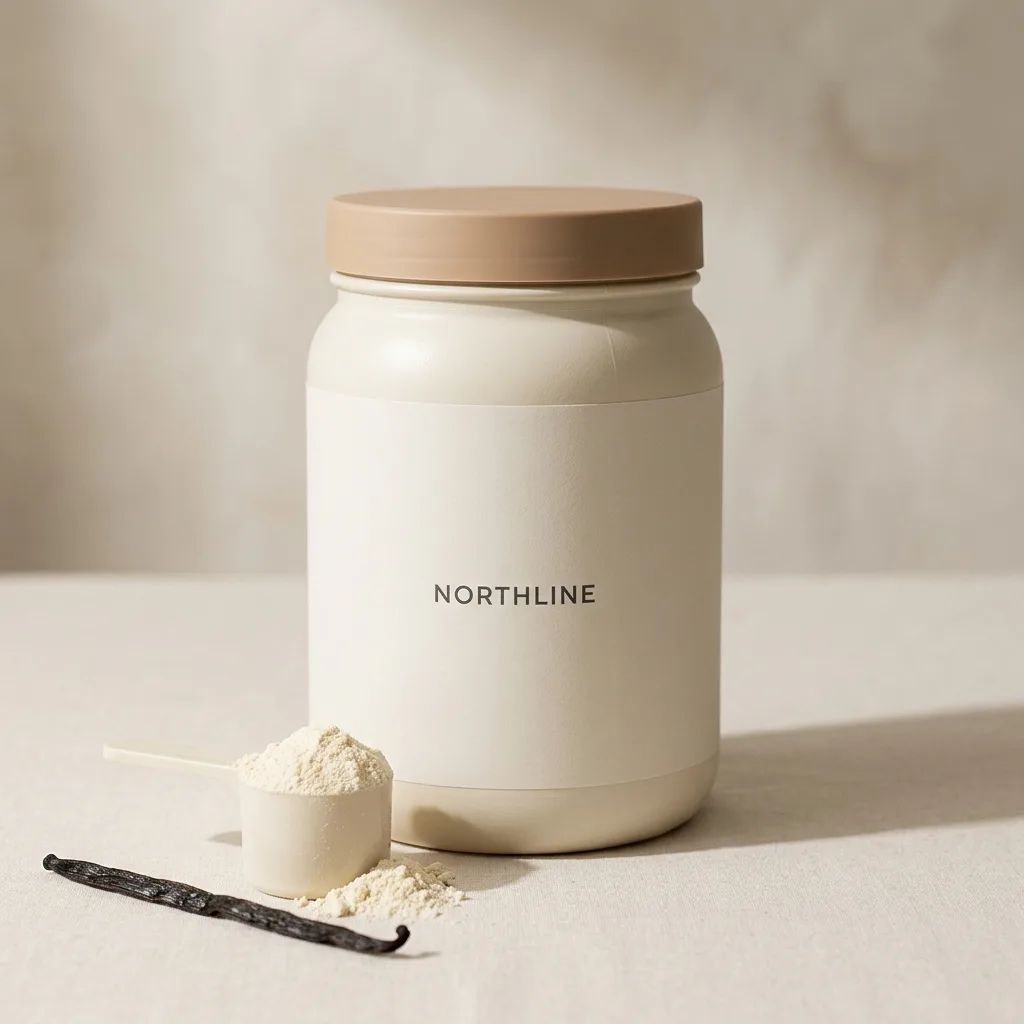
Dawnjar Sample
Whey Isolate — Vanilla Bean (2 lb)
25g protein110 cal
22.7g protein / 100 cal
per serving · 1 scoop (30g)
$59.99$2.00 / serving
Preview collection · Sample products · Prices in CAD
Dawnjar · Protein powders
A protein source name does not answer every question about gluten in a finished powder. This guide explains Canadian gluten-free claim wording, ingredients to inspect and how allergen statements fit into a label comparison. It makes no gluten-free or certification claim about any product. People with celiac disease should follow their doctor’s or dietitian’s advice. Dawnjar shows preview sample records with illustrative figures and prices in CAD; ordering opens at launch.
The Canadian rule prohibits a gluten-free claim on food containing gluten protein, including modified gluten protein or protein fractions from the regulated grains. Health Canada considers foods made under good manufacturing practices with gluten not exceeding 20 ppm from cross-contamination to meet the intent of the rule. That position is not permission to intentionally add gluten and then rely on a low measured amount.
Read the claim on the exact package rather than assigning it from a product category. A vanilla image, a plant source or an unflavoured name is not a gluten-free declaration. This guide explains official wording; it does not certify products or interpret a test result for you. People with celiac disease should use their doctor’s or dietitian’s advice for decisions about their food.
“gluten free protein powder” has about 320 searches a month in Canada, per Semrush data pulled October 2026. “whey protein powder gluten free” has about 110 searches a month in Canada, per Semrush data pulled October 2026. “gluten free dairy free protein powder” has about 90 searches a month in Canada, per Semrush data pulled October 2026. Search volume measures interest, not compliance with a label rule.
Inspect the full ingredient list, including components of cookie or brownie inclusions where listed. A dessert-style powder may use flavouring alone or may include pieces; the name does not tell you which. Malt wording, oat or barley ingredients and cereal-based thickeners are reasons to read the declaration closely, not evidence that any particular powder contains them. Do not infer ingredients from a picture of a baked food.
The gluten sources named in the regulations are wheat, including kamut and spelt, rye, barley, oats and triticale. Keep those names in view while reading the package. The presence of an oat ingredient raises a label question that cannot be resolved by assuming all oats have the same claim status. Follow the specific declarations and Health Canada’s explanation rather than a general impression about a grain.
Intentionally added gluten sources must be declared in the ingredient list or a “Contains” statement. Read both locations when available. A statement is not a replacement for understanding the rest of the ingredient list, and a product description beside the package is not the package declaration. Use Health Canada’s gluten guidance to distinguish the source declaration from the gluten-free claim.
Canada identifies 11 priority food allergens, including wheat and triticale, and requires common-name identification on pre-packaged food labels. Milk, soy and eggs may also be relevant to a powder’s declarations. Gluten-source wording and allergen wording overlap in some cases, but they do not ask identical questions. Read the complete statement rather than looking only for the ingredient you expected.
Precautionary wording such as “may contain” may appear on a label; these statements are voluntary. Do not treat their absence as a guarantee about facilities or cross-contact. When a label leaves a question unanswered, seek clarification about the exact product instead of filling the gap with assumptions. This guide does not determine suitability for an allergy or celiac disease.
Whey comes from milk and pea protein comes from peas, not gluten grains. However, a finished powder includes more than the source name. Flavour systems, additions and production circumstances can matter to the manufacturer’s claim. Look for the actual gluten-free wording and complete ingredient declaration; neither “whey” nor “plant” establishes the status of the entire package.
Milk questions remain separate from gluten questions. A gluten-free statement does not describe whether milk ingredients are present, and dairy-free wording does not establish a gluten-free claim. Compare each declaration on its own terms. The related guides explain source and milk wording without assigning those claims to Dawnjar’s preview examples.
Record the exact flavour and serving mass before comparing labels. Keep ingredient and allergen questions separate from protein and price calculations. Obtain the current package information when a listing leaves details unanswered.
Claim on this package — Locate the actual gluten-free wording; do not inherit it from another flavour or a general source description.
Grain and inclusion details — Read component ingredients for dessert pieces, malt and cereal additions when they are declared.
Allergen statements — Read “Contains” and any precautionary wording together with the ingredient list, without making a safety assurance.
Serving information — Compare protein and powder grams at the labelled portion. Keep added liquids outside the dry-powder calculation.
CAD cost — Divide package price by the declared number of servings. A cost calculation does not verify a label claim.
These existing preview sample records have illustrative figures and prices in CAD. Ordering opens at launch. The shelf demonstrates serving information and comparison metrics, not dietary claims or certifications. A sample name or photograph cannot answer an allergen question; the exact real package must supply that information.
Dawnjar Sample
25g protein110 cal
22.7g protein / 100 cal
per serving · 1 scoop (30g)
$59.99$2.00 / serving
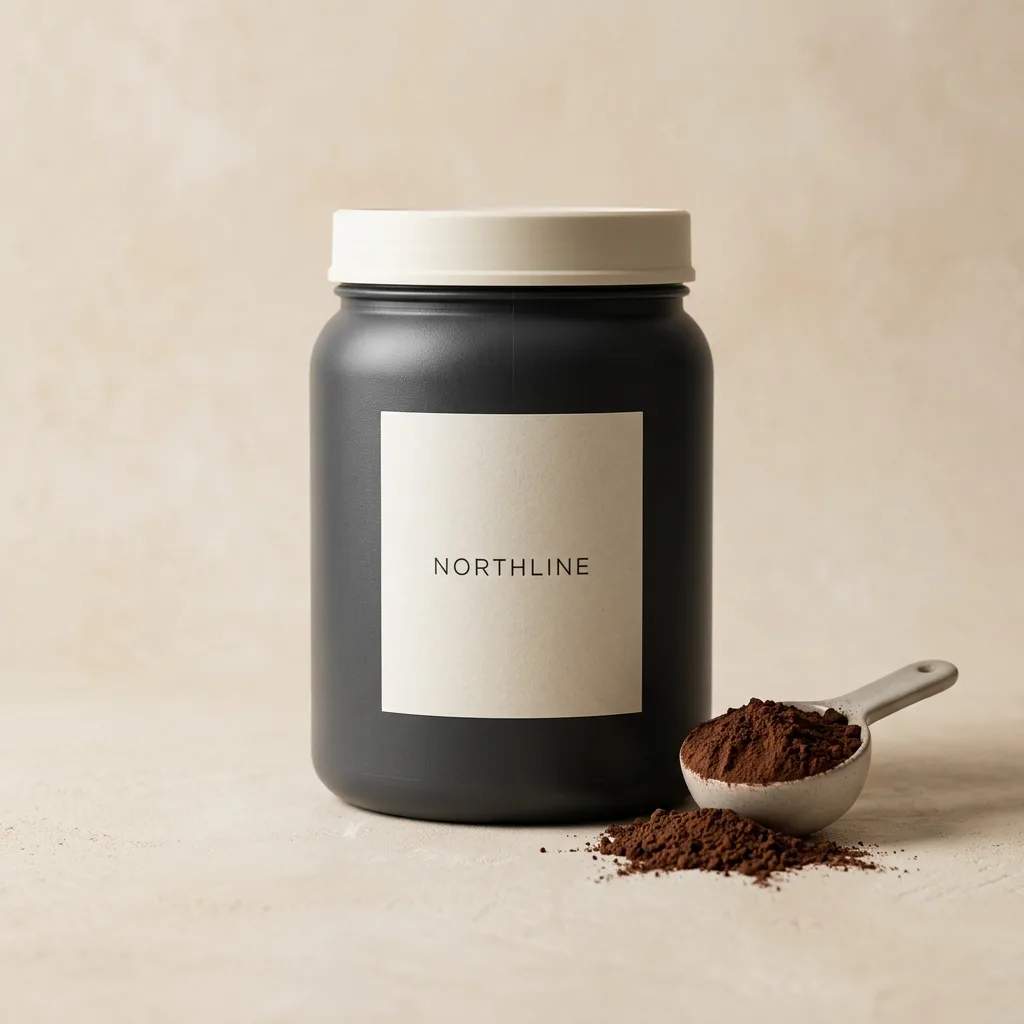
Dawnjar Sample
25g protein115 cal
21.7g protein / 100 cal
per serving · 1 scoop (30g)
$59.99$2.00 / serving
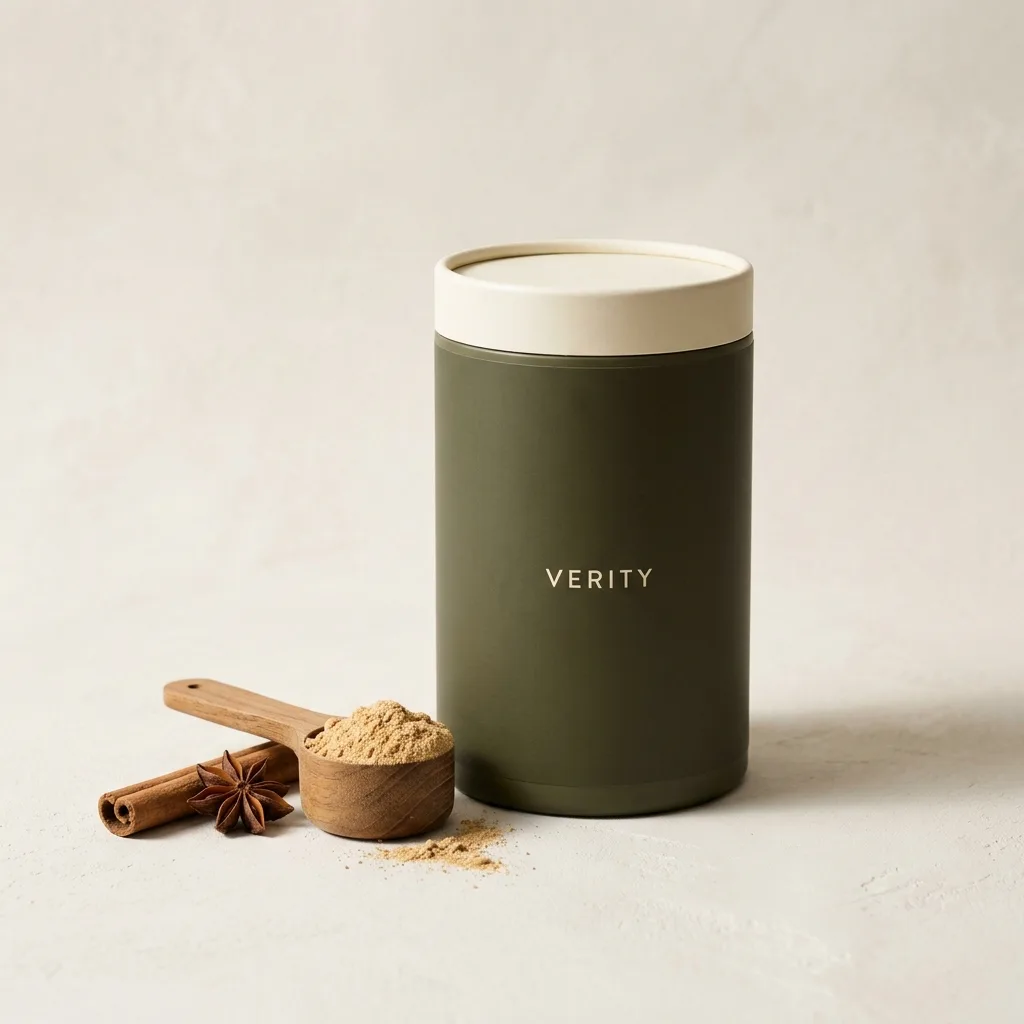
Dawnjar Sample
24g protein130 cal
18.5g protein / 100 cal
per serving · 1 scoop (34g)
$54.99$2.29 / serving
Preview collection · sample records with illustrative figures · prices in CAD. Ordering opens at launch.
Confirm that the table and ingredient photograph describe the same current package. Health Canada says serving size "isn't a recommendation of how much to eat". Use the declared portion as the reading basis, not as instructions for your meal. Compare cost at that portion while leaving claim and allergen questions attached to the original label.
If you need clarification, ask about the specific ingredient, statement or claim that is unclear. Do not treat a broad answer about a protein source as an answer about a finished flavour. People with celiac disease should follow their doctor’s or dietitian’s advice. Dawnjar’s role here is to explain label checks using illustrative samples, not to endorse products or take orders before launch.
Not always; check for a gluten-free claim and read the ingredient list. Source names and flavour names do not describe every addition. This guide makes no gluten-free claim about the preview samples.
Whey is milk-derived, but that does not establish a finished powder’s gluten-free claim. Read the flavour ingredients and the actual package wording. Do not transfer a claim from another whey product.
It is a regulated claim, not simply the absence of wheat in a flavour name. Health Canada’s position concerns good manufacturing practices and gluten not exceeding 20 ppm from cross-contamination. Intentionally added gluten sources must be declared and are not covered by that cross-contamination position.
The regulated gluten sources include wheat, rye, barley, oats and triticale. Wheat includes kamut and spelt. Read ingredient components and any “Contains” statement for the exact package.
It depends on the label; vanilla is a flavour description, not a gluten-free claim. Check the ingredient list and the package’s own wording. The same flavour name can appear on different formulas.
Not yet; Dawnjar is a preview and ordering opens at launch. Records have illustrative figures and CAD prices. No gluten-free or certification claim is made about these samples.
Dawnjar preview pages use sample product records and illustrative nutrition figures. Ordering opens when real inventory and fulfillment are live. Nutrition information is general and informational only, not medical advice.