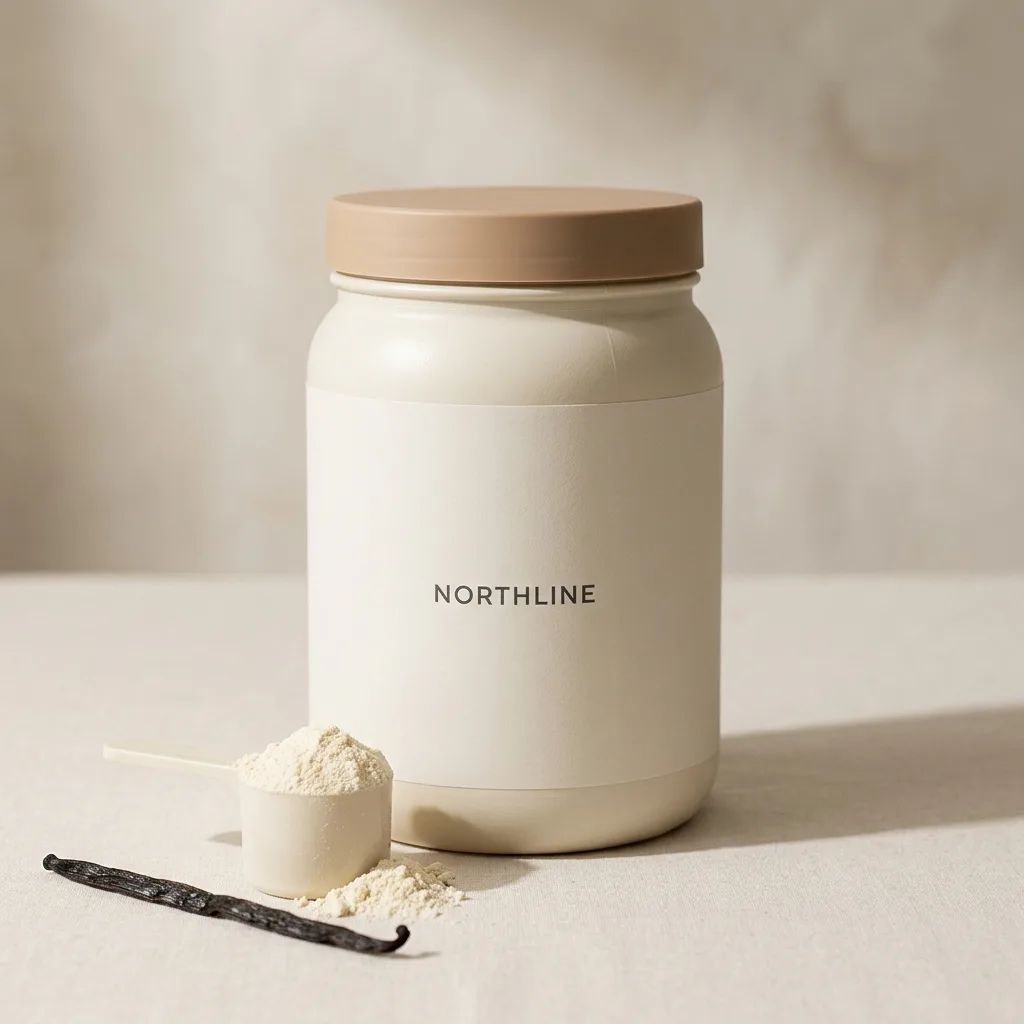
Dawnjar Sample
Whey Isolate — Vanilla Bean (2 lb)
25g protein110 cal
22.7g protein / 100 cal
per serving · 1 scoop (30g)
$59.99$2.00 / serving
Preview collection · Sample products · Prices in CAD
Dawnjar · Practical buying guides
Does protein powder expire? Begin with the wording printed on the actual package, not a general rule about powders. Dates, storage instructions and the condition of an opened container answer different questions. A dry tub and a bottled shake also need different handling, even when both carry a protein figure on the front. This guide helps organize those checks without guaranteeing that a product is usable. Follow the label and when in doubt, do not use it. Dawnjar is a preview: the shelves show existing sample records with illustrative figures and CAD prices, and ordering opens at launch. No sample record here establishes a real batch date or storage history.
A best-before date generally relates to the durable life and quality of an unopened food under its stated storage conditions. An expiry date is different wording, used for certain categories of products. Do not silently exchange those terms when reading a package. Find the exact wording, any storage qualification and the date itself before deciding what question remains. A date is not a promise about a container that has been damaged, exposed to unsuitable conditions or opened and handled differently from the directions.
The question can protein powder expire therefore needs a package-specific answer. Read all relevant directions rather than assuming every product uses the same date format or rule. If the printed date is unclear or absent, do not guess from a sample photo, purchase month or another flavour's package. The preview has no batch-specific dates. General explanations of date wording cannot establish whether a particular tub is usable, and a normal appearance cannot supply the missing storage history.
Exact wording — Record the printed date term and the storage qualification together.
Package condition — A date alone cannot establish the history of a damaged or opened container.
An unopened tub still needs the conditions stated on its label. Keep the container away from moisture and unsuitable heat, and avoid placing it beside a steamy cooking area. Once opened, close the lid properly after each use and keep the scoop clean and dry. A wet scoop or condensation introduces a different situation from the dry powder originally packaged. Follow any opening-related directions rather than assuming the unopened date covers every later handling choice.
Keeping an opening note on the container can help you remember when its condition changed, but that note does not create a new guaranteed use period. Do not invent an after-opening deadline if the label does not provide one. Moving powder into another container can also separate it from its date and instructions; retain the original information if you change containers. For a tub with uncertain handling or storage, the cautious instruction remains to follow the label and, when in doubt, not use it.
Look for changes rather than treating one universal appearance as normal for every powder. Unexpected odour, a colour change or clumps associated with moisture are reasons to stop and assess the package directions, not reasons to stir harder and ignore the difference. Dry powders can already have small clumps, so clumping alone does not diagnose their condition. Equally, breaking a clump apart does not prove the powder is usable. If moisture has entered or you cannot explain a change, discard rather than rely on a visual test.
An off taste noticed during ordinary use is another reason to stop using the product. Do not deliberately taste a questionable powder to determine whether it is acceptable. Smell, appearance and taste are not a complete check, and the absence of an obvious change is not a guarantee. Follow the label and when in doubt, discard it. This page does not provide a method for extending a printed date or rescuing a container whose handling history is unknown.
Do protein shakes expire is a separate label question from the dry tub. A bottle may carry a date and instructions for storage before opening, followed by different instructions once its seal is broken. Refrigerate after opening when directed on the label, and follow any stated use instructions. Do not carry the handling rules for one bottled format over to every other drink. A shelf display, bottle material or creamy appearance does not replace those directions.
Check the seal and package condition before using a bottle. If it is damaged or its storage history raises doubts, do not use it merely because the printed date has not passed. A resealed cap does not return an opened bottle to its original state. For the preview vanilla shake, the sample record illustrates nutrition and price comparisons only; it does not provide a real bottle's date, seal condition or after-opening instructions. Read the actual package for those details.
Once powder is mixed with water, milk or other ingredients, you are no longer handling dry powder in a tub. The finished mixture brings together the handling directions of its ingredients, the preparation conditions and any recipe instructions. Do not apply the powder's unopened best-before date to the prepared drink. A shaker lid is not a substitute for the storage directions, and adding fresh powder later does not reset the history of a mixture already prepared.
Make the quantity you intend to use according to the relevant directions instead of preparing a large batch with no plan for handling it. Keep preparation equipment clean, retain the ingredient labels and avoid inventing a universal counter or refrigerator time for every recipe. If a mixture has been left under uncertain conditions, follow the label and when in doubt, do not use it. Adding more liquid, changing flavour or blending again does not answer a concern about how the drink was stored.
Package size is a practical planning question. Consider how often you actually prepare the powder and how many declared servings the container contains. A large tub can have a lower normalized cost while leaving more product to manage after opening. Use your own preparation pattern rather than an aspirational routine when comparing sizes. Check the date and directions of the package you are considering; the preview figures cannot reveal how much time remains for a real container.
Single-serve sachets can be worth comparing when you use powder irregularly or want to try a flavour before choosing a larger format. Their packaging and portion costs may differ from a tub, so use equal units instead of comparing sticker prices alone. No sachet sample is included on this shelf. The budget guide explains the cost method, while this page focuses on dates and handling. Neither tells you to choose a larger package simply because its per-serving price is lower.
The existing vanilla bean whey isolate, vanilla chai plant blend and vanilla ready-to-drink shake demonstrate three record formats. Their cards show illustrative serving figures and CAD comparisons. They cannot tell you whether a real product has been kept dry, whether a seal is intact or whether its printed date has passed. A product photo is not a substitute for examining the package you plan to use. Keep those condition checks outside the numerical comparison.
Use the buying guide for the format when comparing ingredients or serving cost, then return to the physical label for date and storage details. Write unresolved questions down instead of converting missing information into reassurance. Dawnjar is not taking orders through these preview examples. Ordering opens at launch, and future real products will need their own current package information. For now, these samples illustrate how to organize the questions rather than establish usable dates for any inventory.
Dawnjar Sample
25g protein110 cal
22.7g protein / 100 cal
per serving · 1 scoop (30g)
$59.99$2.00 / serving
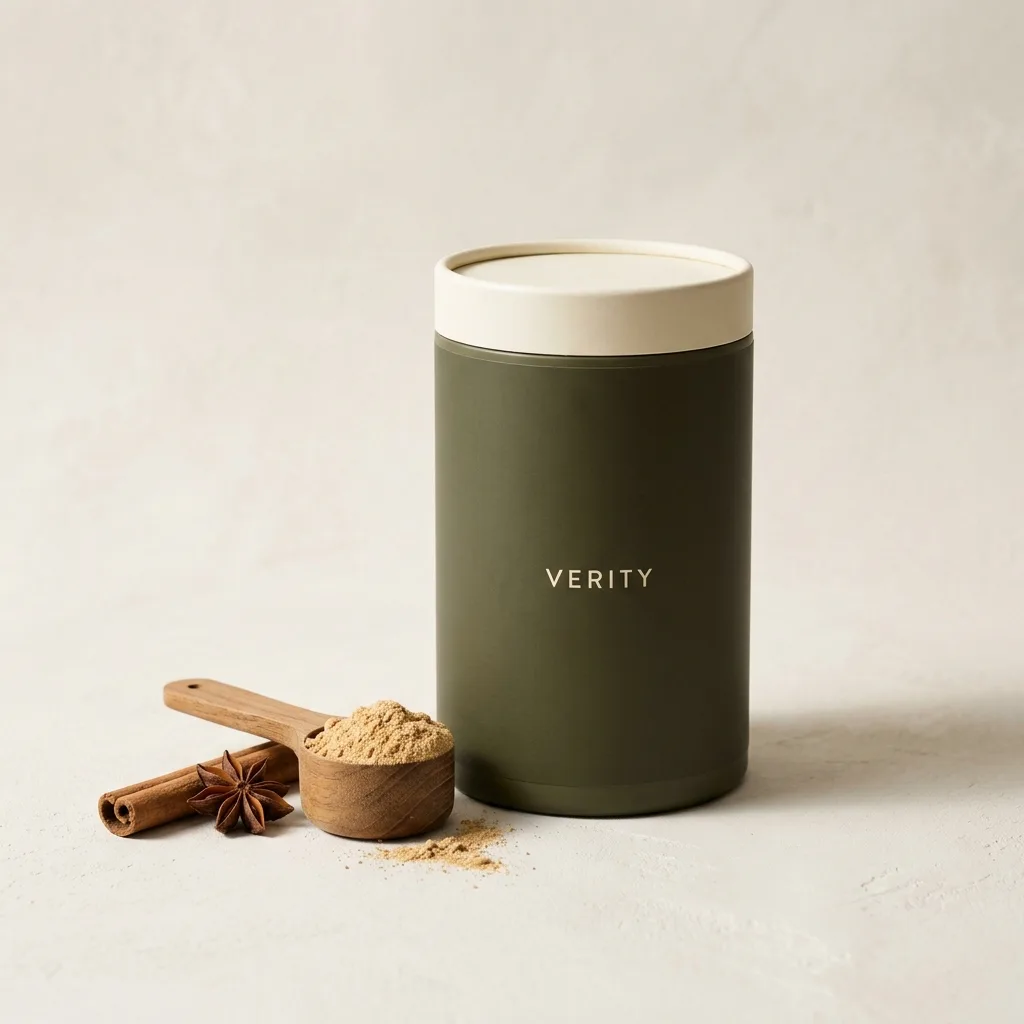
Dawnjar Sample
24g protein130 cal
18.5g protein / 100 cal
per serving · 1 scoop (34g)
$54.99$2.29 / serving
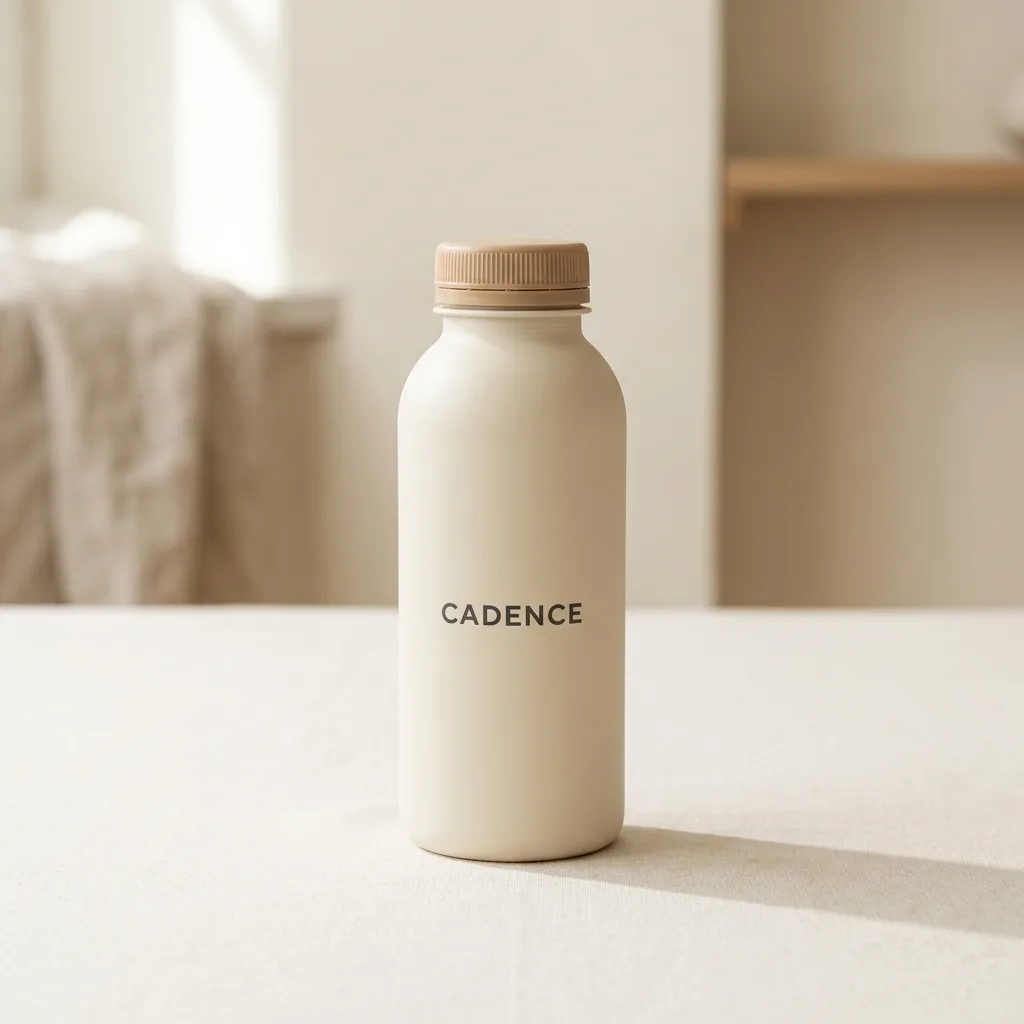
Dawnjar Sample
30g protein160 cal
18.8g protein / 100 cal
per serving · 1 bottle (330ml)
$49.99$4.17 / serving
Preview collection · sample records with illustrative figures · prices in CAD. Ordering opens at launch.
Opening changes the handling situation. Read the date wording and any after-opening storage instructions on that container; do not assign a universal extra period. When in doubt, do not use it.
No. Keep the exact term on the package and its storage conditions together. Neither wording provides a guarantee for a product with uncertain handling or a damaged container.
Do not taste a questionable product as a test. An off taste already noticed is a reason to stop, but the absence of a taste change does not guarantee condition. When in doubt, discard.
Bottled drinks have their own dates and handling instructions. Read the unopened and after-opening directions, including refrigeration where stated, rather than applying a dry-powder rule.
No. A prepared mixture has different ingredients and handling conditions from dry powder. Follow the relevant labels and recipe directions, and do not use a mixture when its condition is in doubt.
No real batch dates or storage histories are supplied here. These are preview records with illustrative figures and CAD prices; ordering opens at launch.
Dawnjar preview pages use sample product records and illustrative nutrition figures. Ordering opens when real inventory and fulfillment are live. Nutrition information is general and informational only, not medical advice.