Dawnjar Sample
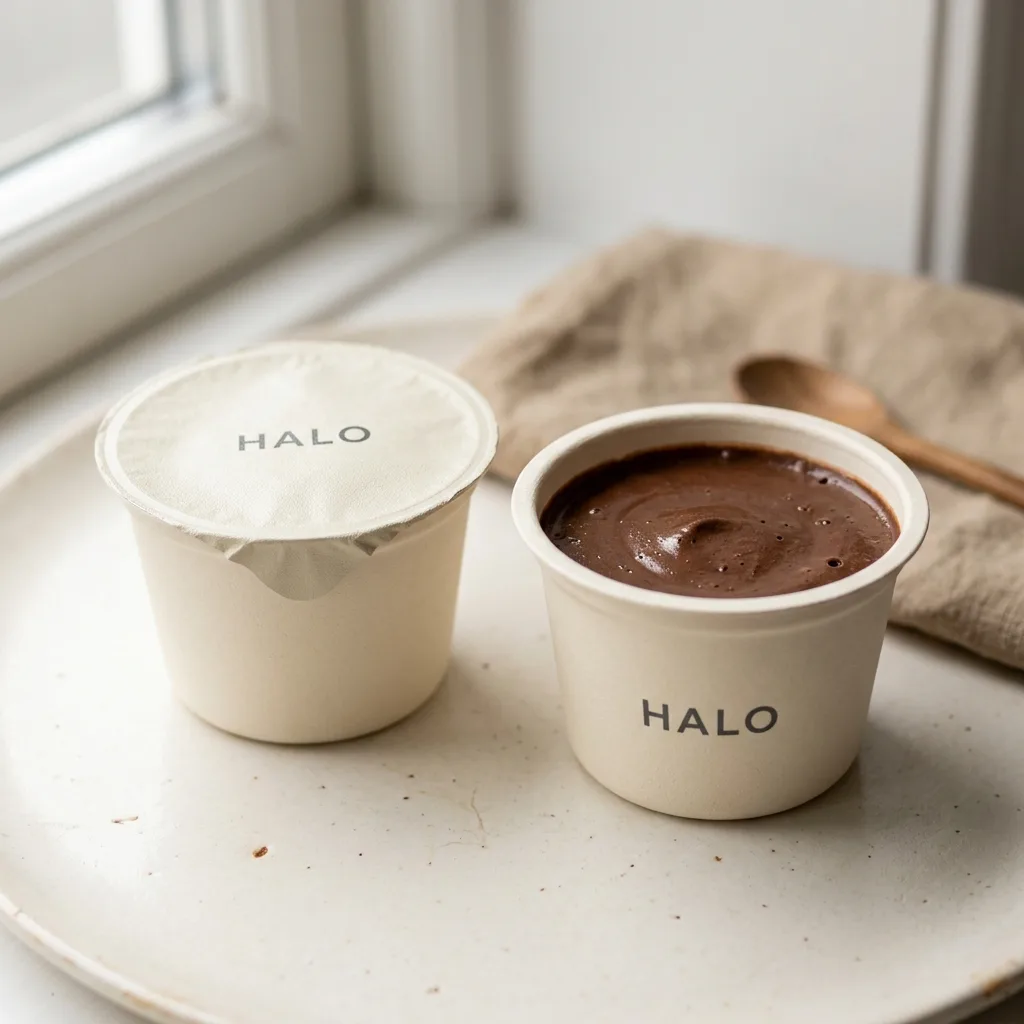
High-Protein Chocolate Mousse Cups
12g protein110 cal
10.9g protein / 100 cal
per serving · 1 cup (100g)
$18.99$3.16 / serving
Preview collection · Sample products · Prices in CAD
Dawnjar · Desserts
Protein cheesecake describes a dessert made with ingredients such as cottage cheese, Greek yogurt or a suitable protein powder. It remains a treat: a protein name is not a health judgement or a recipe total. Compare the actual slice, ingredients and preparation style rather than assuming all versions are alike. Dawnjar is a preview with sample records, illustrative figures and CAD prices; ordering opens at launch. The reference shelf is not cheesecake.
A cottage cheese base can be blended smooth before adding flavourings. Greek yogurt contributes tang and thickness, while powder adds dry material and its own flavour. Some methods also use cream cheese, eggs or a setting ingredient. The complete recipe determines whether the finished dessert is firm enough to slice or better served in a cup.
Classic cheesecake already contains some protein from dairy and any eggs. Versions made with added protein ingredients can change that amount, but a larger total is not established by the name alone. Portion weight and the complete formulation matter. Avoid treating cottage cheese, yogurt and powder as interchangeable scoop-for-scoop ingredients.
A slice is not a standard weight. Find the labelled portion and mass before comparing desserts; include crust and icing. Compare actual protein grams on a matching basis rather than judging from a recipe title.
% DV: 5% DV or less is a little, 15% DV or more is a lot. Apply this Health Canada reading aid to nutrients with a displayed daily value, such as sodium. Read protein as grams per serving; do not invent a protein %DV when the table does not show one. Compare the portion weight first so different serving sizes do not become an apparent nutrition difference.
Health Canada says serving size "isn't a recommendation of how much to eat". It is the basis for reading the package, not a personal target. If you use a different amount, adjust all package figures together. Added milk, fruit, spreads and toppings have their own ingredients and figures; a dry product’s table does not automatically describe the finished preparation.
Homemade nutrition would require measured ingredients and the actual number and weight of portions. A cream cheese label alone does not describe the cake, and a powder table alone does not describe the filling. Keep any fruit sauce separate when using package figures for an unadorned slice. No recipe totals are supplied here.
Read Health Canada’s permitted nutrient content statements alongside sugars per serving and the full ingredient list. A protein name or tart taste does not establish a claim. This guide assigns no sugar claim to samples or recipes.
Read the crust as well as the filling: biscuit crumbs, fruit preparations and sauces have their own ingredients. A plain-looking white filling may still include sweeteners, while tangy yogurt does not establish low-sugar wording. Compare the sugars entry at a matching portion and consult the permitted claim conditions rather than equating a protein dessert name with a sugar claim.
Milk, eggs, wheat and tree nuts can appear in the base or additions. Priority allergens must be identified by common name on pre-packaged food labels. Read every ingredient’s declaration, any Contains statement and precautionary wording for the exact flavour. Do not borrow an allergen statement from a similar package. A recipe substitution or a protein source name does not establish the finished food’s allergen status.
A crumb crust can introduce wheat, and nut-based toppings can introduce tree nuts even when the filling uses neither. Powder blends can contain additional declared ingredients. Keep the full ingredient combination visible rather than checking only the dairy tub. Blending curds changes texture, not the ingredient declarations.
A baked filling often relies on eggs and controlled cooking to set. A no-bake version needs a recipe designed for chilling and its chosen setting ingredients. Simply omitting the oven step from an egg-based recipe is not a no-bake method. Follow a suitable complete recipe for quantities, pan size and cooking or chilling instructions.
Ingredients: Cottage cheese or Greek yogurt, vanilla, optional sweetener, and a ready-to-eat crumb topping.
Ingredients: The dairy base, eggs, crust and flavourings specified by a suitable cheesecake recipe.
Start with a recipe that includes the powder type you intend to use. A thick-mixing powder can change a filling more than its flavour name suggests. Mix carefully to avoid dry pockets, and do not add repeated scoops to correct a runny filling without changing the recipe’s balance. The powder’s own preparation directions still matter.
Powder flavourings affect the dessert. Taste only ready-to-eat mixtures without raw flour or eggs; keep other mixtures for cooking. No-bake cups and baked cakes need different methods.
Divide an actual CAD package price by its declared slice count, keeping package size visible. For homemade batches, use ingredient costs and actual yield, including toppings. These are calculation methods, not market prices; a sample price cannot describe an absent food format.
Include the crust, dairy ingredients, powder, setting ingredients and optional topping in a homemade cost record. Divide by the actual portions you made, not a picture’s suggested yield. No cheesecake price is supplied here, and the separate mousse sample does not provide a substitute price or nutrition table for a homemade cake.
Keep chilled fillings and prepared desserts refrigerated according to appropriate handling guidance and ingredient directions. Freeze only if your chosen recipe allows it; some dairy mixtures change texture after thawing. Portion using a clean utensil and keep sauces separate where practical. No keeping period is guaranteed, and a questionable leftover should not be used.
Choose a baked slice, a chilled cake or a spoonable cup before selecting ingredients. Read the recipe’s setting method and any package portion wording, then compare protein, sugars and cost on the same basis. Ask a registered dietitian about personal needs. Dawnjar’s sample dessert shelf illustrates a label format, not cheesecake availability.
Portion basis — Match the declared weight, item count and preparation state.
Complete ingredients — Read the base, protein source, flavourings and toppings separately.
Declared claims — Use actual label wording rather than assigning a claim from the food name.
Preparation instructions — Keep storage and cooking directions attached to the exact package or complete recipe.
“protein cheesecake” receives about 320 searches a month in Canada, per Semrush data pulled October 2026.
“high protein cheesecake” receives about 260 searches a month in Canada, per Semrush data pulled October 2026.
The existing sample below is a separate label-format reference, not inventory for the food discussed here. Its figures and CAD price are illustrative and belong only to that record. They do not describe a homemade recipe, verify a product claim or announce a new format. These methods do not require the sample.
Dawnjar Sample
12g protein110 cal
10.9g protein / 100 cal
per serving · 1 cup (100g)
$18.99$3.16 / serving
Preview collection · sample records with illustrative figures · prices in CAD. Ordering opens at launch.
Some; classic cheesecake contains protein from dairy, while added-protein versions can change the amount. Check the actual label or measured recipe. The name alone does not prove a higher amount.
Check protein grams at the stated slice weight on the label. Different cakes and slice sizes vary. Homemade totals need actual quantities and yield.
It can use cottage cheese, Greek yogurt or protein powder alongside other cheesecake ingredients. Baked and no-bake styles differ. Read the full filling, crust and topping list.
Yes, in a recipe designed for that powder and setting method. Powder changes flavour, thickness and moisture balance. Do not add it to an unchanged recipe and assume identical results.
Only rely on low-sugar wording when the actual label meets Canadian sugar-claim rules. A protein name does not establish that claim. Read sugars per serving and the complete ingredient list.
Not yet; Dawnjar is a preview, and ordering opens at launch. The shelf shows a separate mousse sample, not cheesecake. Figures and CAD prices are illustrative.
Dawnjar preview pages use sample product records and illustrative nutrition figures. Ordering opens when real inventory and fulfillment are live. Nutrition information is general and informational only, not medical advice.