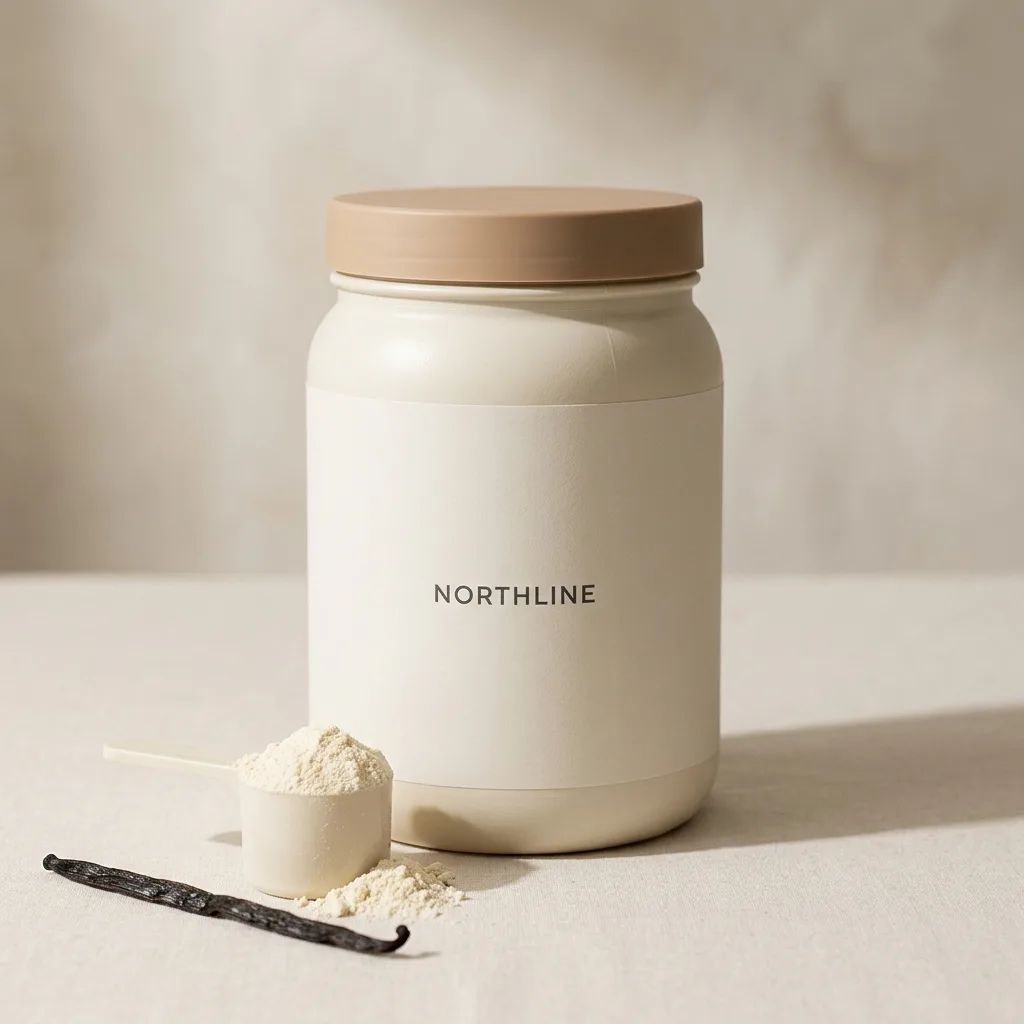
Dawnjar Sample
Whey Isolate — Vanilla Bean (2 lb)
25g protein110 cal
22.7g protein / 100 cal
per serving · 1 scoop (30g)
$59.99$2.00 / serving
Preview collection · Sample products · Prices in CAD
Dawnjar · Practical buying guides
New Zealand whey protein describes an origin-related shopping question, not a separate serving unit. A package can refer to the source of its milk, the processing of its whey ingredient or where the finished powder was packed. Read the wording carefully before treating those locations as identical. This guide explains sourcing statements, whey forms, preparation preferences and cost comparisons without verifying manufacturer claims. Dawnjar has no New Zealand origin statement for the sample powders shown here, so they are ordinary comparison examples only. These existing records use illustrative figures and CAD prices; ordering opens at launch.
Start by identifying what the origin statement actually modifies. Milk sourced in New Zealand, a whey ingredient processed there and a finished tub packed there are different descriptions. A company address may identify the business responsible for the package without identifying the milk source. Read the ingredient and origin wording together, keeping each location attached to the stage it names. Do not combine several partial statements into a stronger origin claim than the manufacturer has printed.
If the package uses broad imagery or a place name without explaining the relevant stage, leave that question open. Country imagery is not a complete manufacturing account. Likewise, a finished powder can include flavourings and other ingredients whose sourcing is not described by a milk-origin statement. Your comparison can record the disclosed milk source separately from processing and packing. Dawnjar does not independently verify those statements, and no location is assigned to a sample record simply because it appears on this page.
Grass-fed wording belongs to the manufacturer's label and any explanation it supplies. Look for the scope of the statement: whether it refers to the milk source, a particular ingredient or another part of the product description. Read any qualifications instead of assuming a shared definition across every tub. A scenic pasture image does not supply those details. Keep the printed term in your notes without expanding it into an assurance about ingredients, composition or how the finished powder will taste.
Dawnjar does not verify a grass-fed statement or certify a sourcing process. You can treat disclosed sourcing as a preference while still comparing the actual nutrition table and package economics. The label term alone does not determine protein grams in a scoop, sweetness or dispersion. If a manufacturer gives no further explanation, do not invent one from the country name. Origin and feeding-related wording are separate from the concentrate or isolate form listed in the ingredients.
Whey concentrate and whey isolate describe ingredient forms, regardless of the milk origin being discussed. A New Zealand sourcing statement does not make those two forms interchangeable. Locate the exact whey wording and check whether a recipe lists one form or a combination. Then read the finished powder's protein amount and serving mass. Flavourings and other recipe components are included in that serving, so the ingredient form cannot supply a complete figure for the scoop.
Keep a source column and a form column when you compare packages. The source column records the location statement as printed; the form column records concentrate, isolate or the listed combination. Neither column replaces the preparation instructions. For lactose information, read the label and the product's own lactose statement rather than deriving a declaration from origin or processing. The linked whey guides cover these form comparisons using existing samples, without giving them an unrecorded New Zealand source.
An origin-labelled tub still needs the same portion check as any other powder. Find the gram amount represented by the table and whether the serving uses one scoop or several. Read protein for that quantity, not for a scoop borrowed from a different package. If the front highlights a protein number, confirm its serving basis on the back. Larger powder servings can produce larger headline amounts without showing a different proportion of protein in the recipe.
For a consistent comparison, preserve the declared protein amount beside the gram mass and package serving count. You can also calculate protein per 100 calories from the protein and calories in that same portion. This ratio describes the label inputs rather than proving anything about origin. Missing figures stay missing; another tub's data cannot fill them. An origin preference and a numeric comparison can sit beside each other without being combined into an invented overall quality judgment.
Vanilla, chocolate and unflavoured preparations have different flavour starting points, even when their whey ingredients share an origin statement. Sweeteners, cocoa and texture ingredients can influence the finished drink. Read the recipe wording and choose a flavour you expect to enjoy, rather than predicting taste from a place name. The existing vanilla bean and Dutch chocolate isolates are not a controlled taste comparison, and their photos do not demonstrate how another origin-labelled powder mixes.
Follow the tub's liquid quantity and mixing method, then compare preparations under similar conditions if you want useful texture notes. Liquid temperature, powder amount and standing time can affect what you observe. Separate dry clumps from a deliberately thick drink before drawing a conclusion. A blender and a shaker apply different mixing action; use whichever the directions allow. Source wording provides no guarantee of smoothness, and a personal flavour preference needs no sourcing-based superiority claim.
Take the price of the package and divide it by the stated serving count to obtain serving cost. Divide that result by protein grams in the same serving, then scale it to twenty-five grams. That calculation gives an equal-protein cost basis without requiring matched scoop sizes. Keep currency and package details consistent. A country statement does not supply a price premium, and this guide does not invent one for New Zealand or grass-fed wording.
Record the amount spent on the whole package as well as the normalized figure. A larger tub can have a different serving count and up-front cost, even when the serving calculation looks similar. For a prepared drink, keep any separately priced liquid outside the powder-only amount until its quantity and cost are known. The sample shelf's derived CAD metrics illustrate existing records only; they are neither New Zealand product quotes nor announced launch prices.
A useful comparison separates what the manufacturer states from what you can calculate. Record the exact origin wording, any grass-fed explanation, the whey ingredient form, serving mass and cost unit. Then add preparation preferences as a different type of note. This prevents an attractive sourcing description from being treated as evidence for unrelated taste or protein claims. It also lets you compare an origin-labelled product with one whose sourcing information is less detailed without guessing what either omits.
Use the powder collection for broader format browsing and the isolate guide for its ingredient and portion questions. No sample here is presented as sourced from New Zealand, and no manufacturer statement has been checked by Dawnjar. The page is an editorial explanation with illustrative sample records, not a verified origin selection. Ordering opens at launch rather than through this preview. Keep the sourcing question tied to the package that actually makes the statement.
Dawnjar Sample
25g protein110 cal
22.7g protein / 100 cal
per serving · 1 scoop (30g)
$59.99$2.00 / serving
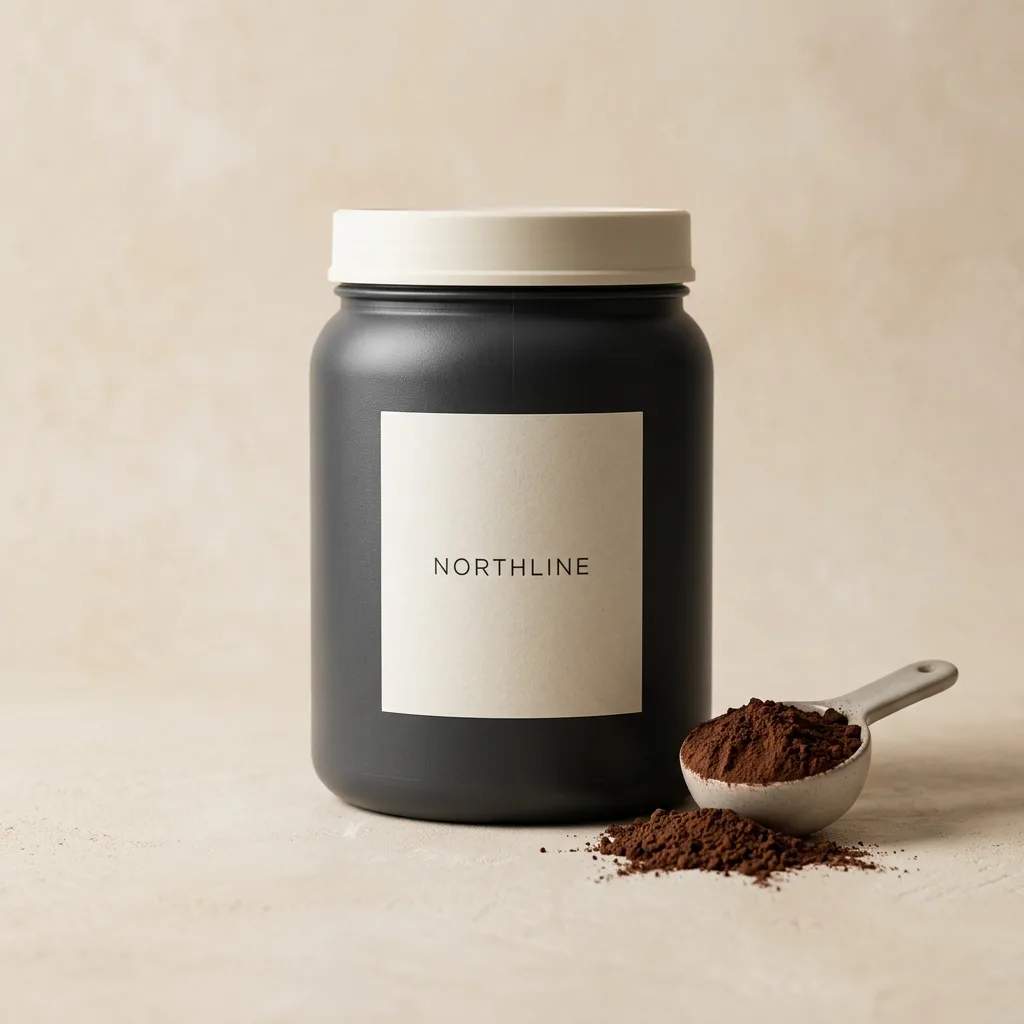
Dawnjar Sample
25g protein115 cal
21.7g protein / 100 cal
per serving · 1 scoop (30g)
$59.99$2.00 / serving
Preview collection · sample records with illustrative figures · prices in CAD. Ordering opens at launch.
It is whey described with a New Zealand origin statement. Read what the statement refers to: the milk source, whey processing or finished-product packing may be different stages. The place name does not define the serving size or the full recipe. Dawnjar does not verify a manufacturer’s origin wording.
Origin can be a sourcing preference, but it is not an automatic ranking. Compare protein per scoop with scoop mass, ingredient wording, flavour preferences and cost for an equal protein quantity. Use the product’s actual figures rather than assigning a superior score from its country statement or imagery.
No protein figure can be calculated from that term. Read the manufacturer’s wording and any explanation, then locate protein in the Nutrition Facts table for the declared portion. A sourcing description does not disclose every ingredient or preparation characteristic, and Dawnjar does not independently verify the claim.
Not necessarily. An address can identify the packer or responsible company without stating where the milk was sourced. Keep the disclosed stages separate and look for wording that explicitly names the milk or whey origin. If the package leaves a stage unclear, record the uncertainty instead of connecting the locations yourself.
Record each ingredient form and its declared serving mass, then compare protein and cost using those actual portions. Keep origin statements in a separate part of the comparison. For lactose, read the label and the product’s own lactose statement; neither origin nor the form name supplies a missing declaration.
No New Zealand origin is established for the examples shown here. The shelf uses existing vanilla bean and Dutch chocolate whey isolate sample records to illustrate serving and cost comparisons. Their figures and CAD prices are illustrative, not a verified origin range; ordering opens at launch.
Dawnjar preview pages use sample product records and illustrative nutrition figures. Ordering opens when real inventory and fulfillment are live. Nutrition information is general and informational only, not medical advice.