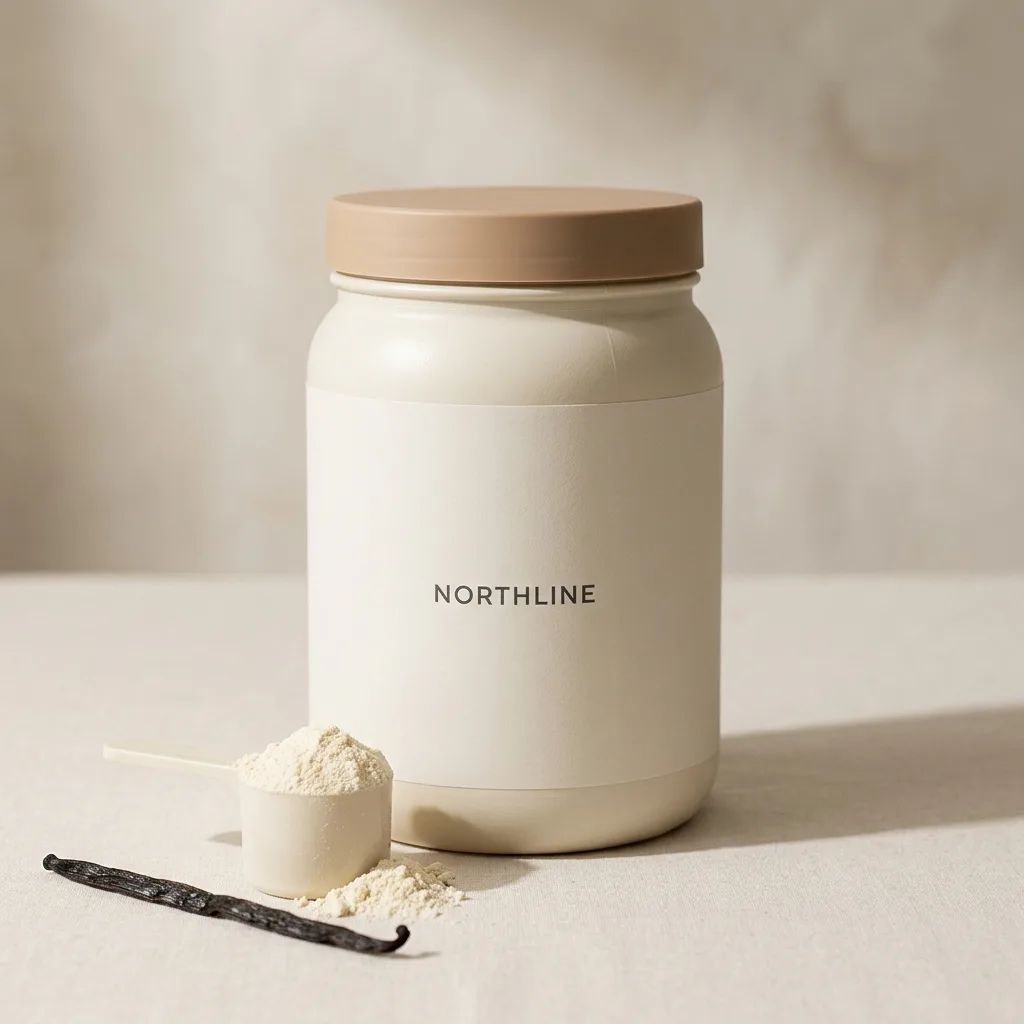
Dawnjar Sample
Whey Isolate — Vanilla Bean (2 lb)
25g protein110 cal
22.7g protein / 100 cal
per serving · 1 scoop (30g)
$59.99$2.00 / serving
Preview collection · Sample products · Prices in CAD
Dawnjar · Protein powders
A halal search is a question about a product’s claim and certification, not simply its protein source. This guide explains what Canadian claim wording must show and how to ask precise ingredient questions. Dawnjar does not decide what is halal; shoppers use the certifier and their own religious guidance. No product is described here as halal or certified. The powder shelf contains preview sample records with illustrative figures and prices in CAD; ordering opens at launch.
CFIA explains that a halal claim, whether expressed as a word, Arabic letters or a symbol, is not allowed unless the name of the person or body that certified the food appears on the label, package or advertisement. The complete name is required because acronyms and logos may not be recognizable. A symbol alone is therefore not the information to stop at when reading a claim.
The Canada Gazette publishes the regulatory amendment on this labelling requirement. CFIA does not set halal standards or accredit certifiers. The name requirement identifies who stands behind a claim; it does not mean CFIA has selected that body for you. Shoppers can consider the named certifier and seek their own religious guidance without Dawnjar treating that judgement as a product ranking.
The published regulation is a source for the Canadian labelling requirement, not a certificate for any powder discussed in this article.
“halal protein powder” has about 320 searches a month in Canada, per Semrush data pulled October 2026. “halal whey protein powder” has about 90 searches a month in Canada, per Semrush data pulled October 2026. “halal protein powder canada” has about 70 searches a month in Canada, per Semrush data pulled October 2026. “is protein powder halal” has about 30 searches a month in Canada, per Semrush data pulled October 2026. Search interest does not verify a claim.
Whey can be a by-product of cheesemaking, where enzymes used in the process may come from different sources. Ask the manufacturer or certifier about the actual process used for the ingredient. Isolate or concentrate wording alone does not answer a rennet or enzyme-source question. This is a reason to seek a specific explanation, not a conclusion about whether a whey powder is halal.
Useful questions name the ingredient and the finished product: what source was used for the cheesemaking enzymes, and does the stated certification cover this flavour and package? Do not substitute an answer about a general whey ingredient for confirmation about the complete formula. Dawnjar does not determine religious acceptability from a processing name or verify a certificate by looking at a sample record.
If gelatin is listed, ask what its source is and how it is addressed within the claimed certification. If a flavour system leaves its carrier unclear, ask whether alcohol-based flavour carriers are involved and how the certifier considers them. These are questions to put to the manufacturer or certifier, not assertions that a powder contains those ingredients or that Dawnjar can decide their status.
For L-cysteine or other additives with an unclear source, ask whether the ingredient is animal-derived and whether the explanation applies to the exact formulation. Read components of inclusions where declared. A chocolate or vanilla name cannot identify a flavour carrier, enzyme source or processing aid. If information is missing, keep the question open rather than filling the gap with a conclusion based on appearance.
Pea and other plant protein sources do not raise the same base-source questions as whey from cheesemaking, but a finished blend still has flavourings and additions to inspect. Plant-based wording does not automatically mean halal-certified. Read the actual claim and who is named behind it, then ask about the whole formula rather than assuming the largest ingredient settles everything.
Beef protein introduces different animal-source and processing questions. The word beef is not a certification statement. Ask whether a claimed certification applies to the complete powder and its flavour additions, and use your own religious guidance when assessing the answer. The related source guides explain ingredient terminology; they do not make halal claims or add new plant or beef samples to the preview.
Keep claim verification and nutrition comparison in separate columns. First identify the wording and the named certifier; then record ingredients and any unresolved source questions. A protein figure or attractive portion cost cannot resolve a missing certification detail.
Claim and complete name — Look for the halal wording and the full name of the person or body that certified the food; a logo or acronym alone is not enough.
Ingredient questions — Ask about enzymes, gelatin, flavour carriers or additives where relevant, using the exact flavour and package details.
Allergen declarations — Canada has 11 priority food allergens, which must be identified by common name on pre-packaged food labels. Read these statements separately from the halal claim.
Serving and %DV — Record protein and serving grams. % DV: 5% DV or less is a little, 15% DV or more is a lot; this is a nutrient reading aid, not a certification test.
CAD comparison — Calculate package price divided by declared servings. Keep that result separate from your assessment of a certifier or ingredient explanation.
The existing whey isolate and plant-blend sample records show Dawnjar’s comparison format only. Their figures and CAD prices are illustrative, and no halal or certification claim is made about them. A sample photograph cannot supply certification coverage, enzyme details or a manufacturer’s statement. This shelf does not identify an orderable selection; ordering opens at launch.
Dawnjar Sample
25g protein110 cal
22.7g protein / 100 cal
per serving · 1 scoop (30g)
$59.99$2.00 / serving
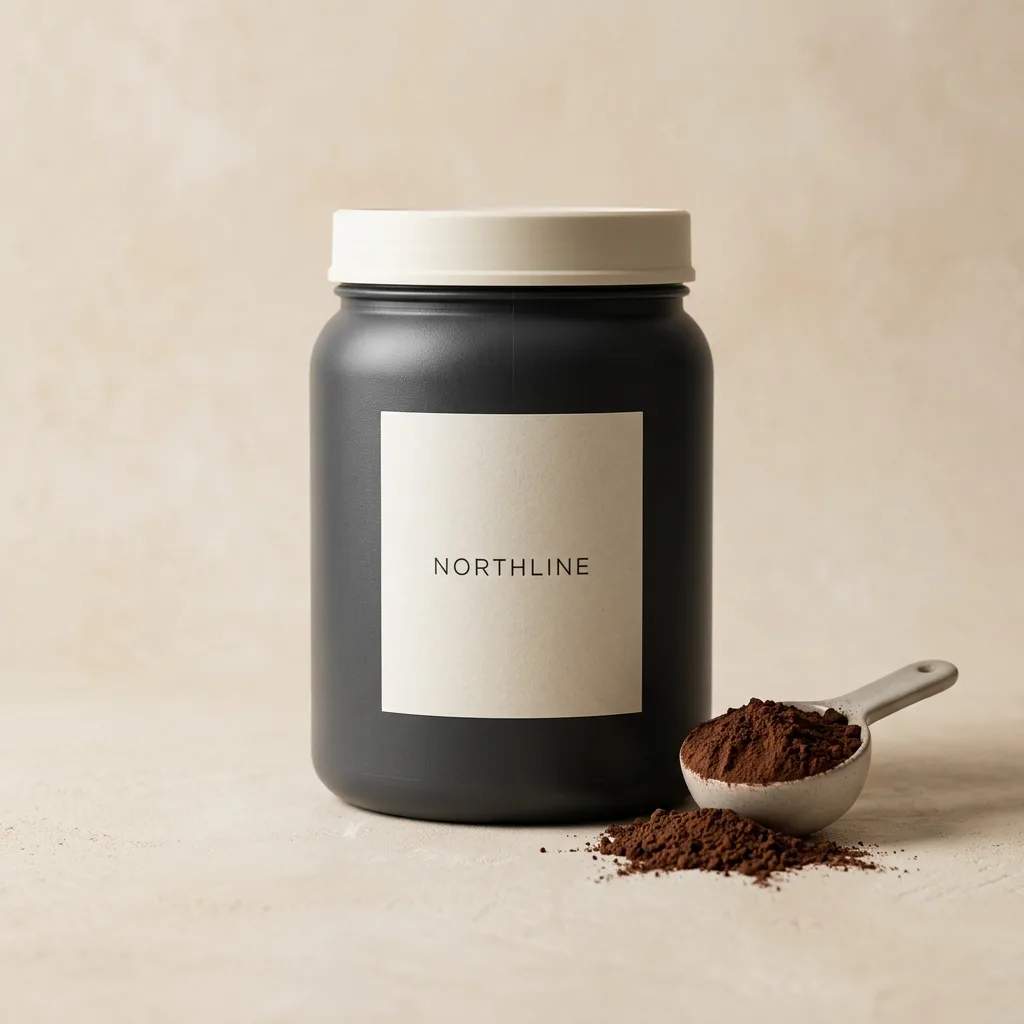
Dawnjar Sample
25g protein115 cal
21.7g protein / 100 cal
per serving · 1 scoop (30g)
$59.99$2.00 / serving
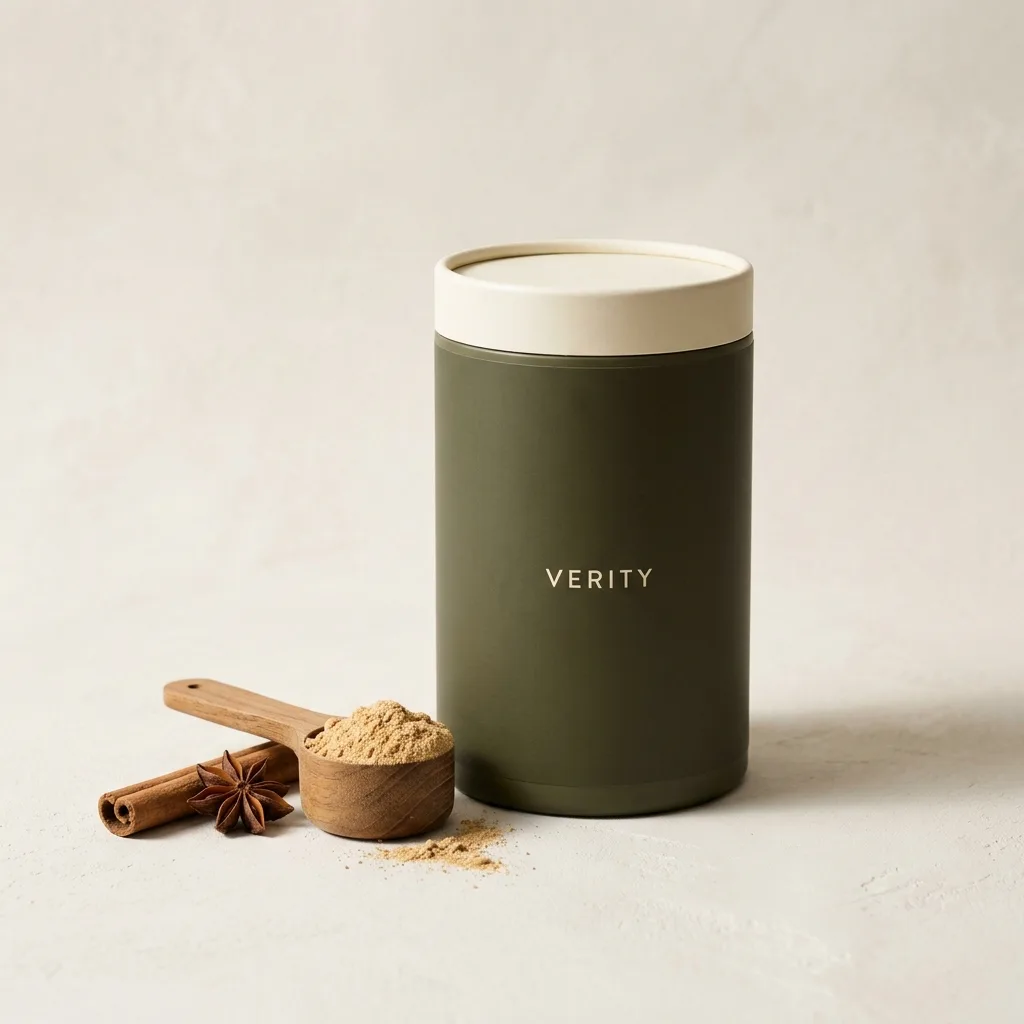
Dawnjar Sample
24g protein130 cal
18.5g protein / 100 cal
per serving · 1 scoop (34g)
$54.99$2.29 / serving
Preview collection · sample records with illustrative figures · prices in CAD. Ordering opens at launch.
Obtain the current package information and check that any claim refers to the exact flavour you are considering. Ask for the certifier’s complete name if the listing only shows a symbol. Keep the response attached to the product rather than applying it to every powder from the same source. If the explanation remains incomplete, refer the question to the certifier and your own religious guidance.
Use serving information for portion comparisons, not for religious classification. Health Canada says serving size "isn't a recommendation of how much to eat". Dawnjar does not replace a certifier or decide halal status from nutrition numbers. The preview offers a framework for asking clearer questions, without verifying products or accepting orders before launch.
Some labels carry certification claims; others do not. Look for a halal claim with the certifier’s complete name and assess it using your own religious guidance. Dawnjar does not verify individual products.
Whey’s source name alone does not establish halal status. Ask the manufacturer or certifier about cheesemaking enzymes and the complete formula. Use the actual claim and your own religious guidance rather than processing terminology alone.
Look for a halal claim naming a certifier you trust under your own religious guidance. Check that the claim concerns the exact product and flavour. Dawnjar does not select certifiers or declare powders halal.
It must show the complete name of the person or body that certified the food. CFIA requires this information because logos and acronyms may not be recognizable. The requirement applies to halal claims on labels, packages and advertisements.
No; CFIA does not set halal standards or accredit certifiers. Its guidance explains the Canadian labelling requirement. Shoppers assess the named certifier using their own religious guidance.
Not yet; Dawnjar is a preview and ordering opens at launch. The sample records have illustrative figures and CAD prices. No halal or certification claims are made about them.
Dawnjar preview pages use sample product records and illustrative nutrition figures. Ordering opens when real inventory and fulfillment are live. Nutrition information is general and informational only, not medical advice.