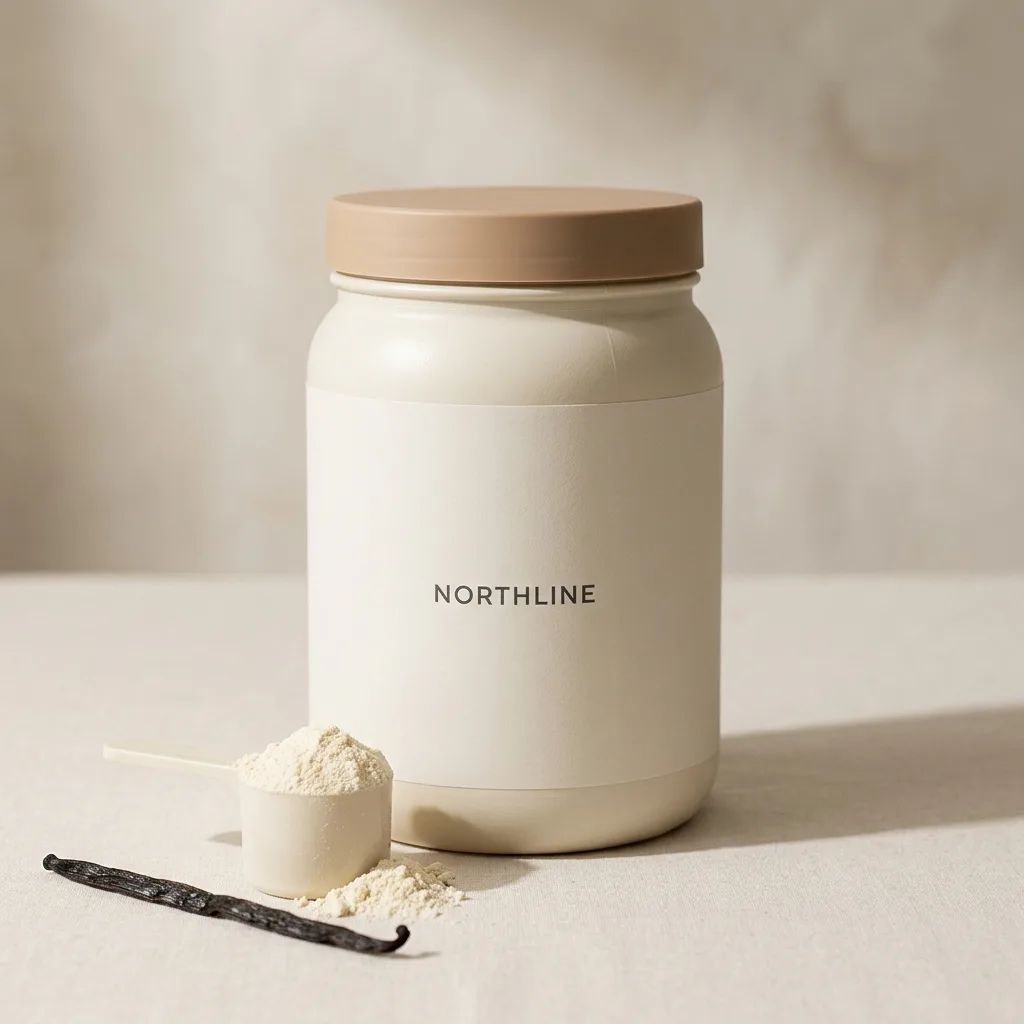
Dawnjar Sample
Whey Isolate — Vanilla Bean (2 lb)
25g protein110 cal
22.7g protein / 100 cal
per serving · 1 scoop (30g)
$59.99$2.00 / serving
Preview collection · Sample products · Prices in CAD
Dawnjar · Label guides
“Clean” on a protein powder package is a prompt to investigate, not a specification for the ingredients inside. It is not a defined term in the sources provided here. This guide translates the marketing word into concrete questions about protein sources, flavouring, claim wording and portion cost. Dawnjar’s preview contains sample records with illustrative figures and prices in CAD; ordering opens at launch. None of those records is designated “clean”.
The sources supplied for this guide do not define “clean” protein powder. A package might use it to suggest a short ingredient list, an unflavoured format or selected production practices, but those are separate features. Ask which specific statement the wording is meant to describe. The word does not establish a nutritional ranking, a manufacturing specification or an advantage over another formula.
“Clean protein powder” receives about 720 searches a month in Canada, per Semrush data pulled October 2026. “Natural protein powder” receives about 260 searches a month in Canada, per Semrush data pulled October 2026. These are search phrases, not equivalent label categories. A page using either term still needs to identify ingredients, serving information and the evidence behind any particular claim.
Start by locating the named protein ingredient and noting whether the formula combines sources. If you want a short list, write down what short means for your intended use: a plain source, no added flavouring, or fewer separate texture ingredients. None of those preferences can be measured by the front-panel word alone. Read any component ingredients shown for a blend rather than stopping at its heading.
Find the sweeteners by their printed names, and distinguish them from the sugars entry in the Nutrition Facts table. A product can use flavouring, sugar, another sweetener or a combination. An unfamiliar ingredient name is a question to investigate, not a reason to dismiss the formula. Likewise, a familiar pantry word does not establish the amount used or the complete composition.
Treat “natural flavour” as the wording printed in the ingredient list, not a summary of everything in the powder. It does not provide a sweetness measurement or say that the formula is organic. Compare the named flavouring and sweetener entries with the preparation directions. A vanilla drink and a plain powder can have different roles in a recipe without either needing a “cleaner” ranking.
Unflavoured wording also deserves a complete read. The protein base can have its own taste, and the package may still list ingredients used for mixing or texture. If your purpose is a savoury batter or a drink with fruit, decide whether added vanilla or sweetness would change it. Keep preference language specific: less flavouring for a particular recipe is clearer than a broad marketing label.
Organic is a separate claim with conditions: CFIA says only products with organic content of 95% or more may be labelled “organic” or bear the organic logo. Do not equate “natural” or “clean” with that claim, and do not extend wording about one ingredient to a finished powder. Read the package’s own organic statement.
For gluten-free wording, Health Canada considers foods made under good manufacturing practices with gluten not exceeding 20 ppm from cross-contamination to meet the rule’s intent. Any intentionally added gluten source must be declared in the ingredient list or a Contains statement. Inspect the complete package; this guide does not assign gluten-free status to any powder or sample.
Production wording needs its own evidence. CFIA says method-of-production claims must be truthful and not misleading, and recommends that they be specific and verifiable. For a statement about how animals were fed or raised, look for the exact scope instead of treating “clean” as proof. Feeding descriptions do not replace protein, ingredient or serving entries.
Read the protein source and every additional ingredient together. Milk-derived powders and soy ingredients require attention to their named declarations, while nuts may appear through another ingredient. Health Canada says priority allergens must be identified by common name on pre-packaged food labels. Check the actual flavour’s Contains and may-contain wording; another flavour’s declarations cannot answer for it.
A shorter list does not establish that an allergen is absent, and a plant heading does not describe every addition. Keep allergen wording separate from lactose statements and production claims. If label photographs are incomplete, ask for the missing panel instead of treating the gap as evidence. This page explains what to read without making an individual suitability judgement.
Put the serving weight beside the protein entry before comparing powders. Health Canada explains that serving size “isn’t a recommendation of how much to eat”. If packages use different dry portions, choose either their declared servings or a clearly named equal-weight basis. Do not switch between those bases partway through the comparison.
For CAD portion cost, divide package price by declared servings. When comparing an equal protein amount, use the label’s protein entry in a consistent calculation, keeping that method distinct from price per scoop. Count milk, yogurt or fruit separately if you are costing a whole recipe.
Read the rest of the table without forcing every entry into a single ranking. Health Canada’s %DV aid says: % DV: 5% DV or less is a little, 15% DV or more is a lot. Apply that reading aid to entries with a daily value, not to a claim about ingredient-list length. This guide sets no personal intake target.
Define the question — Replace the marketing word with the feature you want to examine: source, flavour, texture or production wording.
Read the full formula — Note proteins, sweeteners and component ingredients rather than counting lines alone.
Check claim evidence — Keep organic and production statements attached to their specific wording and conditions.
Use matching units — Retain the declared serving weight alongside protein and CAD portion cost.
These are existing flavoured whey and plant-blend samples, included only as label-format references. Their illustrative figures and CAD prices belong to their own records. The shelf supplies no “clean”, organic or gluten-free designation and does not verify a production claim. It is not a ranking of ingredient lists.
Dawnjar Sample
25g protein110 cal
22.7g protein / 100 cal
per serving · 1 scoop (30g)
$59.99$2.00 / serving
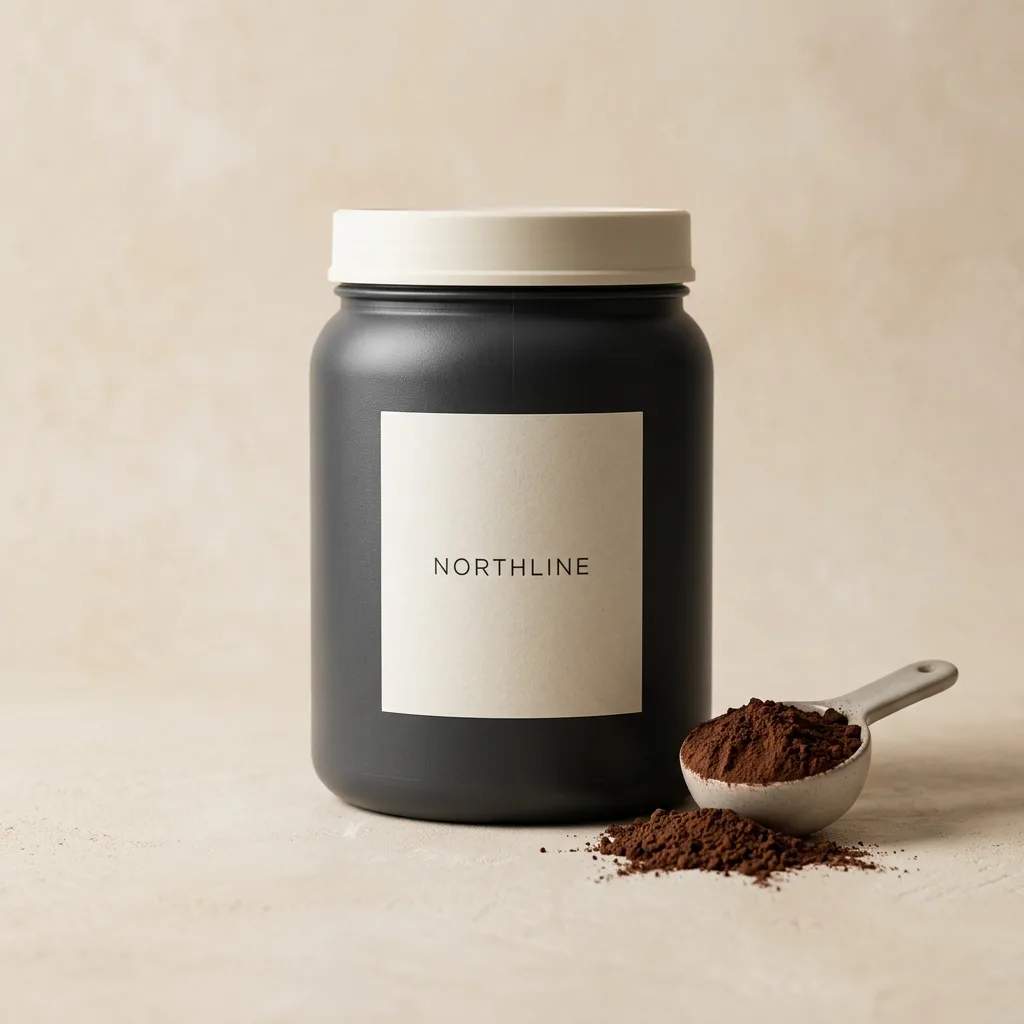
Dawnjar Sample
25g protein115 cal
21.7g protein / 100 cal
per serving · 1 scoop (30g)
$59.99$2.00 / serving
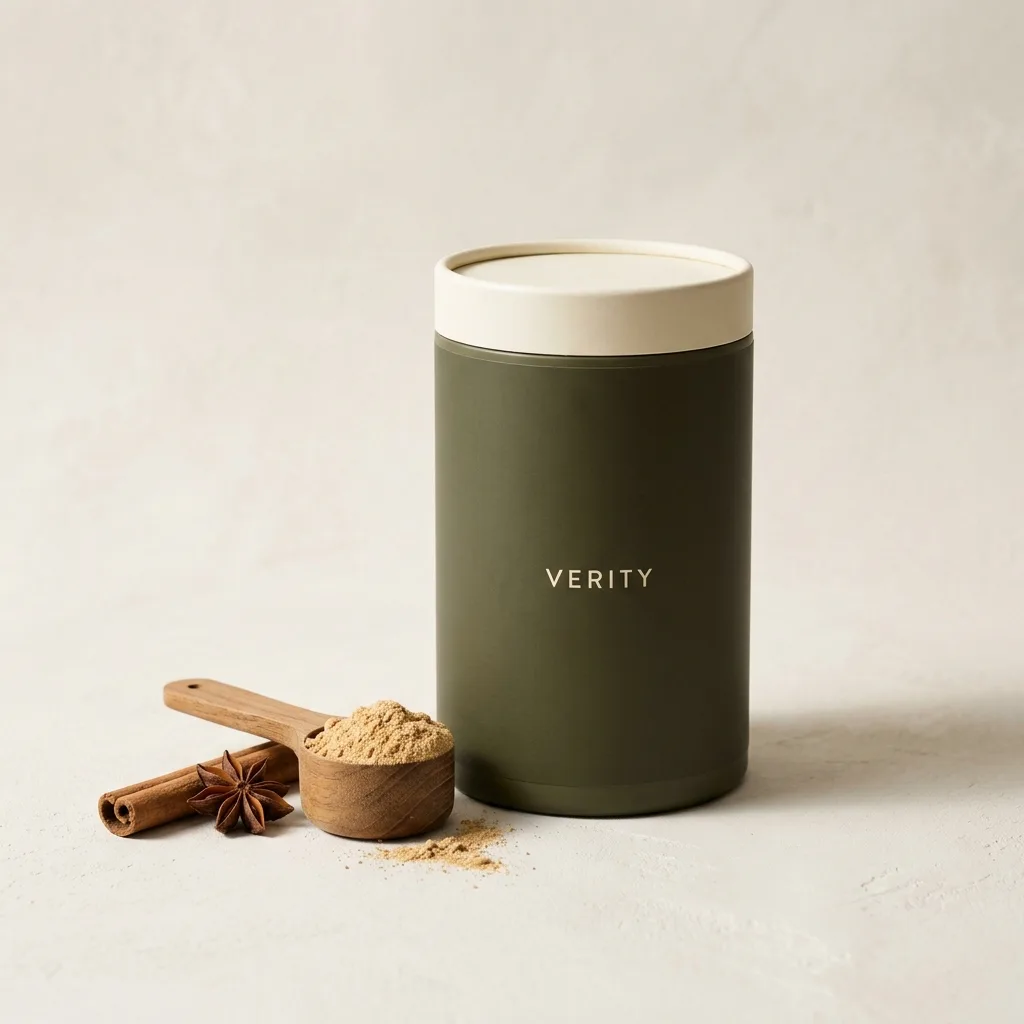
Dawnjar Sample
24g protein130 cal
18.5g protein / 100 cal
per serving · 1 scoop (34g)
$54.99$2.29 / serving
Preview collection · sample records with illustrative figures · prices in CAD. Ordering opens at launch.
Request the full ingredient panel and serving information when a listing leads with an adjective. Choose the formula’s intended job, then compare mixing directions and package size. Keep unanswered questions visible, especially when flavour or source versions differ. Dawnjar provides preview comparison records, not current ordering; the launch notice is separate from this editorial discussion.
It is a marketing description, not a defined powder format in the sources provided here. Identify the named proteins and the exact features the package describes. Do not use the adjective as a nutritional ranking.
It isn’t one of the claims in Health Canada’s permitted table; read the full label. That table does not define this marketing word. Specific claims elsewhere on a package need their own supporting conditions.
Identify the protein source, any added flavouring and the named sweeteners. Read component ingredients and allergen declarations too. A short list is a preference, not a guarantee about the finished formula.
No; only products with organic content of 95% or more may be labelled organic. Read the finished package’s organic statement rather than inferring it from natural wording. The claim does not provide a protein amount.
Unflavoured powders are not automatically “cleaner”; compare the actual ingredient lists. Choose the format for your preparation rather than ranking it by an undefined adjective.
Not yet; Dawnjar is a preview, with ordering opening at launch. Existing powder records use illustrative figures and prices in CAD. They are not verified “clean” products.
Dawnjar preview pages use sample product records and illustrative nutrition figures. Ordering opens when real inventory and fulfillment are live. Nutrition information is general and informational only, not medical advice.