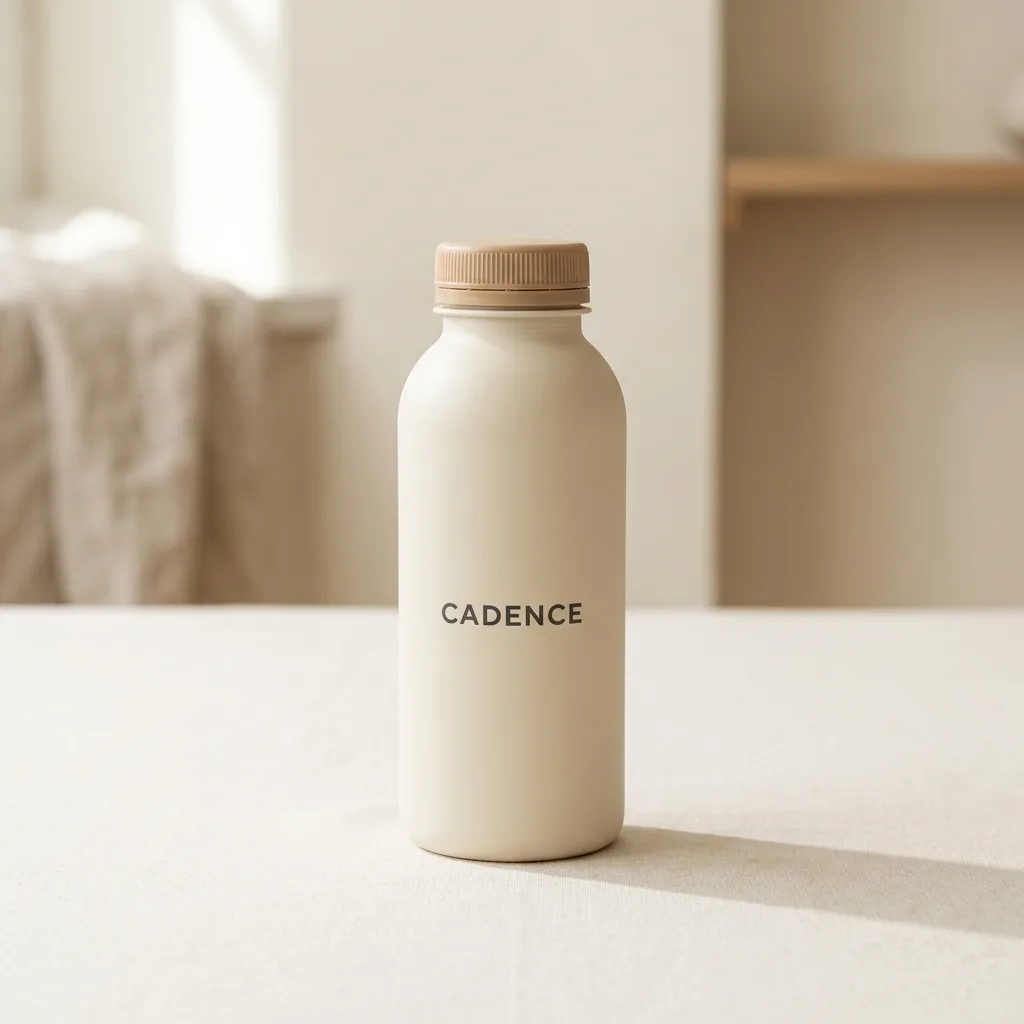
Dawnjar Sample
Ready-to-Drink Protein Shake — Vanilla
30g protein160 cal
18.8g protein / 100 cal
per serving · 1 bottle (330ml)
$49.99$4.17 / serving
Preview collection · Sample products · Prices in CAD
Dawnjar · Protein drinks
Sports drinks and protein drinks describe broad bottle categories, not fixed recipes. Start with the serving volume, then compare carbohydrates, sugars, sodium and protein. A familiar name, clear liquid or creamy texture cannot supply those figures. This guide compares label lines only, without attaching benefits to either format. Dawnjar is a preview: sample records carry illustrative figures and prices in CAD, and ordering opens at launch. The separate drink references below are not sports-drink inventory.
Sports-drink descriptions often draw attention to carbohydrates or sodium, while protein-drink descriptions highlight a protein ingredient or amount. These are naming patterns rather than universal formulas. A protein drink can also contain sugars and sodium; a sports-drink label still needs its protein entry checked. Read the back of the exact bottle instead of assigning a standard table to its category. Powder sachets and bottled versions also have different preparation bases.
“Sports drinks” receives about 1,300 searches a month in Canada, per Semrush data pulled October 2026. “Sport drink” receives about 1,000 searches a month in Canada, per Semrush data pulled October 2026. Those searches indicate interest in a category, not a shared nutrient specification.
Carbohydrates and sugars are separate table entries. Compare them at equivalent volumes, and keep fibre as another distinct line where shown. If one bottle lists a partial serving and another lists the complete container, align the portion before drawing a comparison. Sweetness is also a sensory impression, not a substitute for the printed sugars figure. Inspect named sweeteners separately from the flavour description.
“Low in sugar” means 5 g or less of sugars per reference amount and serving, and per 50 g if the reference amount is 30 g or less. Read that permitted wording alongside the table rather than treating it as a claim about every drink with a similar name. No sample in this guide receives a sugar designation.
Find sodium beside the same serving volume used for the other entries. Health Canada's reading aid is: % DV: 5% DV or less is a little, 15% DV or more is a lot. It describes the labelled nutrient at that portion. Keep the sodium amount and its %DV together instead of comparing a percentage on one bottle with an amount on another.
If a powder requires dilution, read whether the displayed table covers dry powder or the prepared drink. Adding a different liquid changes the preparation. A bottle's size is not evidence of a particular sodium amount, and a front-panel ingredient description does not replace the table. This comparison makes no claim about what sodium-containing drinks do.
Read protein with the declared serving, checking whether that portion is the entire bottle. Health Canada says serving size isn't a recommendation of how much to eat. A large protein statement on the front can describe a different basis from a smaller table entry, so read the surrounding wording. For powder mixed at home, count the chosen liquid separately unless the printed preparation explicitly includes it.
Milk and soy are priority allergens and must be identified by common name on pre-packaged food labels. They can appear in protein ingredients or other components. Read the full list, any Contains statement and precautionary wording on each bottle. Do not transfer declarations from a creamy drink to a clear one, or between flavours. For lactose information, use the product's own label statement rather than its colour or texture.
Divide the package price by its declared serving count, keeping bottle count and volume visible. For a multipack, check whether each bottle represents the same portion. Powder cost needs the prepared yield and any separately purchased liquid when comparing it with a bottled drink. A lower bottle price can reflect a smaller quantity rather than a comparable serving. Dawnjar sample prices demonstrate arithmetic only, not current market offers.
Choose the format and flavour you want, then inspect the actual portion, ingredients and storage directions. Compare like with like: bottled against bottled at matching volumes, or prepared powder against the preparation its label describes. Caffeine amounts vary; read the label. Keep unanswered package questions unresolved instead of borrowing details from a related flavour. Personal nutrition questions belong with a registered dietitian, not a category name.
Serving volume — Record whether the table describes a whole bottle, part of one or a prepared powder portion.
Separate lines — Compare carbohydrates, sugars, sodium and protein without substituting sweetness or appearance for figures.
Full declarations — Keep ingredients, Contains statements and precautionary wording attached to the exact version.
Cost and handling — Record CAD portion cost, storage directions and preparation instructions alongside the comparison.
The existing shake and still protein-water records illustrate different drink label layouts. They are not sports-drink samples or a tested comparison between categories. Their figures and CAD prices are illustrative and belong only to those records. No sports-drink assortment is introduced here.
Dawnjar Sample
30g protein160 cal
18.8g protein / 100 cal
per serving · 1 bottle (330ml)
$49.99$4.17 / serving
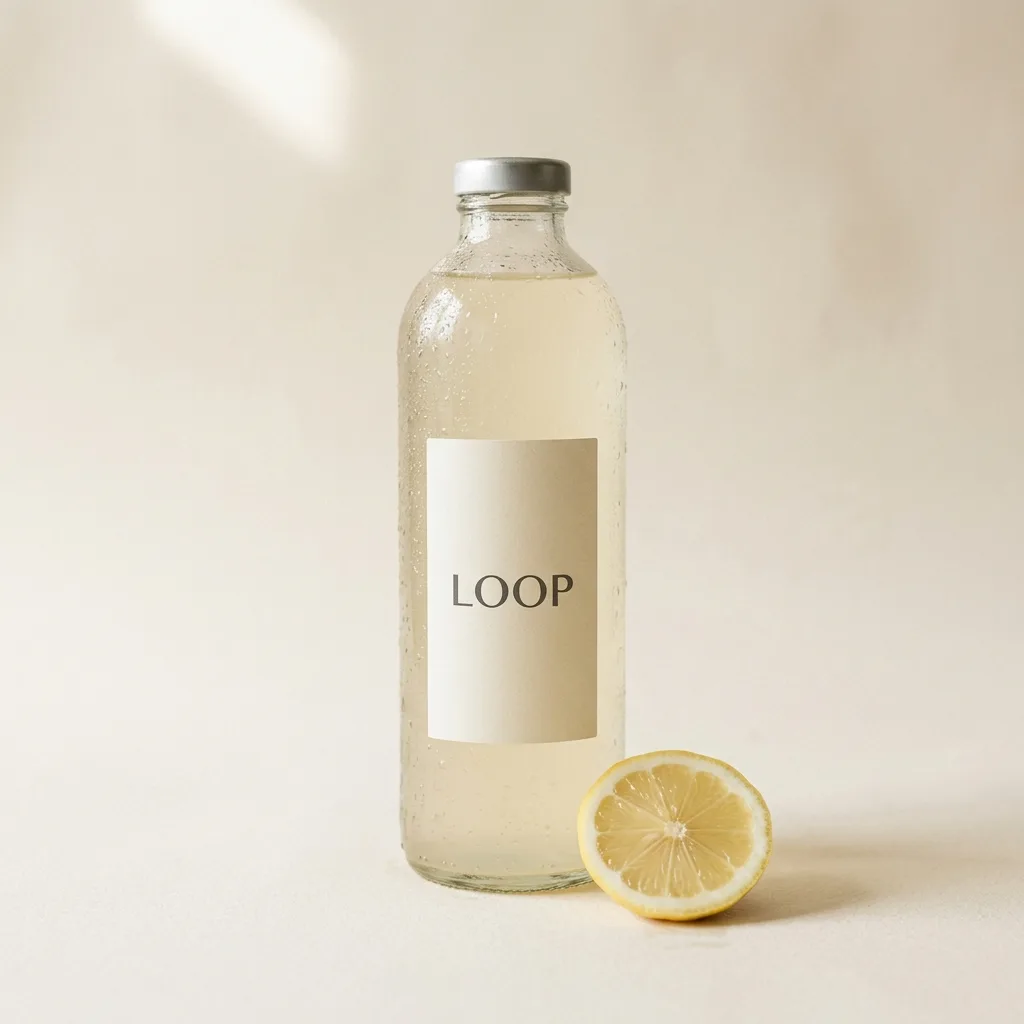
Dawnjar Sample
15g protein70 cal
21.4g protein / 100 cal
per serving · 1 bottle (500ml)
$4.49$4.49 / serving
Preview collection · sample records with illustrative figures · prices in CAD. Ordering opens at launch.
Request a readable table and complete ingredient list for the exact bottle. Check serving volume, package count and storage instructions before comparing prices. Save the portion basis beside your notes so a later comparison remains consistent. Missing details should stay missing until the maker provides them.
Their names emphasise different label entries, but the actual formulas vary. Compare carbohydrates, sugars, sodium and protein at the same serving volume. Neither category name replaces a complete ingredient list.
Some may; check the protein line on the exact package. A sports-drink name does not establish a protein amount. Keep the stated serving beside the figure before comparing it with another bottle.
Many are; check sugars per serving on the label. Compare matching volumes rather than a small serving against a whole bottle. A flavour name or bright colour cannot supply the sugar figure.
They can; read the ingredients and allergen declarations on the exact bottle. Milk and soy are priority allergens and must be identified by common name on pre-packaged food labels. A clear appearance does not establish the absence of milk.
Use sodium and its %DV at the same serving basis. Health Canada's guide says 5% DV or less is a little, 15% DV or more is a lot. This is a label-reading aid, not a recommendation for a particular drink.
Not yet; Dawnjar is a preview and ordering opens at launch. The drink records have illustrative figures and prices in CAD. They are not current inventory or sports-drink listings.
Dawnjar preview pages use sample product records and illustrative nutrition figures. Ordering opens when real inventory and fulfillment are live. Nutrition information is general and informational only, not medical advice.